
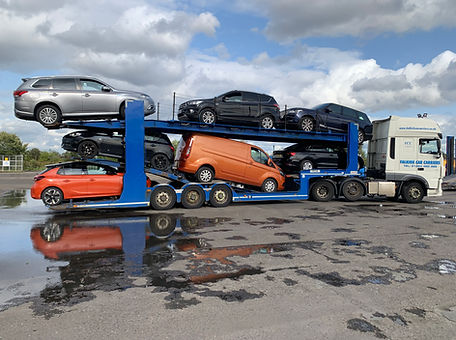
Exploring the World of Vehicle Transport Carriers in the UK
The World of Vehicle Transport Carriers
Vehicle transport carriers play a crucial role in the automotive industry, facilitating the movement of cars, trucks, and other vehicles from one location to another. These carriers come in various forms and sizes, each designed to meet specific transportation needs.
One common type of vehicle transport carrier is the open carrier. These carriers typically consist of a flatbed trailer with no sides or roof, allowing for easy loading and unloading of vehicles. While open carriers are cost-effective and widely used for transporting multiple vehicles at once, they do not provide protection from the elements.
On the other hand, enclosed carriers offer a higher level of protection for vehicles during transport. Enclosed carriers feature walls and a roof, shielding vehicles from weather conditions and road debris. This option is popular for transporting luxury or classic cars that require extra care and protection.
Vehicle transport carriers can also be categorised based on their capacity. Single-vehicle carriers are designed to transport one vehicle at a time, offering a more personalised and secure transportation option. Multiple-vehicle carriers, such as car haulers or car transporter trucks, can transport several vehicles simultaneously, making them more efficient for bulk transportation.
When choosing a vehicle transport carrier, factors such as cost, distance, vehicle type, and level of protection required should be considered. It is essential to select a reputable carrier with proper licensing and insurance to ensure the safe delivery of your vehicle.
In conclusion, vehicle transport carriers play a vital role in keeping the automotive industry moving smoothly. Whether you need to transport a single car across town or multiple vehicles across the country, there is a carrier option available to meet your specific needs.
Essential FAQs About Vehicle Transport Carriers: Costs, Types, Insurance, and More
- How do vehicle transport carriers work?”,
- What types of vehicle transport carriers are available?”,
- How much does it cost to use a vehicle transport carrier?”,
- Are vehicle transport carriers insured?”,
- Can I track the location of my vehicle during transportation?”,
- How far in advance should I book a vehicle transport carrier?
- Do I need to prepare my vehicle before transporting it?
- What if my vehicle gets damaged during transportation?
- Are there restrictions on the types of vehicles that can be transported by car carries?
How do vehicle transport carriers work?”,
Vehicle transport carriers operate by loading vehicles onto specialized trailers or trucks designed for transporting automobiles. Depending on the type of carrier, vehicles are either driven onto the carrier or loaded using ramps and hydraulic lifts. Once securely positioned, the carrier transports the vehicles to their destination, following predetermined routes and schedules. Open carriers expose vehicles to the elements during transport, while enclosed carriers provide protection from weather and road hazards. Vehicle transport carriers work efficiently to ensure safe and timely delivery of vehicles, catering to individual needs and preferences for transporting cars, trucks, or other vehicles across varying distances.
What types of vehicle transport carriers are available?”,
When it comes to vehicle transport carriers, there are several types available to cater to different transportation needs. Common options include open carriers, which are cost-effective and suitable for transporting multiple vehicles at once but do not provide protection from the elements. Enclosed carriers offer a higher level of protection, shielding vehicles from weather conditions and road debris, making them ideal for luxury or classic cars that require extra care. Additionally, carriers can be categorised based on capacity, with single-vehicle carriers offering personalised transportation and multiple-vehicle carriers being more efficient for bulk transport. Choosing the right type of vehicle transport carrier depends on factors such as cost, distance, vehicle type, and desired level of protection during transit.
How much does it cost to use a vehicle transport carrier?”,
One of the most frequently asked questions about vehicle transport carriers is, “How much does it cost to use a vehicle transport carrier?” The cost of using a vehicle transport carrier can vary depending on several factors, including the distance of transportation, the type of carrier chosen (open or enclosed), the size and weight of the vehicle being transported, as well as any additional services required. It is advisable to obtain quotes from multiple reputable carriers to compare prices and services offered, ensuring that you select a carrier that meets your budget and transportation needs effectively.
Are vehicle transport carriers insured?”,
When it comes to vehicle transport carriers, a common question that arises is, “Are vehicle transport carriers insured?” The answer is yes, reputable vehicle transport carriers are typically insured to protect both the carrier and the vehicles being transported. It is essential for customers to verify that the carrier they choose has adequate insurance coverage in place. This insurance provides peace of mind knowing that in the unlikely event of any damage or loss during transportation, there is financial protection in place to cover such incidents. It is always recommended to inquire about insurance details and policies before entrusting your vehicle to a transport carrier.
Can I track the location of my vehicle during transportation?”,
One frequently asked question regarding vehicle transport carriers is, “Can I track the location of my vehicle during transportation?” Many reputable vehicle transport companies offer tracking services that allow customers to monitor the whereabouts of their vehicles in real-time. By providing access to tracking information, customers can have peace of mind knowing the exact location of their vehicle throughout the transportation process. This transparency not only enhances the customer experience but also adds an extra layer of security and assurance during the journey.
How far in advance should I book a vehicle transport carrier?
When it comes to booking a vehicle transport carrier, a common question that arises is, “How far in advance should I book?” It is advisable to book a vehicle transport carrier as soon as you know the date you will need the service. Booking in advance allows for better planning and ensures that you secure a spot with your preferred carrier. The lead time required can vary depending on factors such as the distance of the transport, the time of year, and the availability of carriers. To avoid last-minute stress and ensure a smooth and timely delivery of your vehicle, it is recommended to book your vehicle transport carrier well in advance whenever possible.
Do I need to prepare my vehicle before transporting it?
Preparing your vehicle before transporting it is essential to ensure a smooth and hassle-free transportation process. Prior to handing over your vehicle to a transport carrier, it is recommended to remove any personal belongings from the car, secure loose items, and document the current condition of the vehicle through photographs. Additionally, ensure that the fuel tank is only partially filled, tires are properly inflated, and any alarms or anti-theft devices are disabled. By taking these simple steps to prepare your vehicle, you can help minimise the risk of damage during transportation and contribute to a successful and stress-free transport experience.
What if my vehicle gets damaged during transportation?
In the event that your vehicle sustains damage during transportation, reputable vehicle transport carriers typically have insurance coverage to address such situations. It is crucial to thoroughly review the carrier’s insurance policy and terms of service before entrusting your vehicle for transport. Additionally, documenting the condition of your vehicle before and after transportation through photographs or written records can serve as valuable evidence in case of any damage claims. Promptly reporting any observed damages to the carrier upon delivery is essential to initiate the claims process efficiently and resolve any issues in a timely manner.
Are there restrictions on the types of vehicles that can be transported by car carries?
When it comes to vehicle transport carriers, there may be restrictions on the types of vehicles that can be transported. Carriers often have specific guidelines regarding the size, weight, and condition of vehicles they can accommodate. Some carriers may have limitations on transporting oversized vehicles, such as large trucks or RVs, while others may not transport non-operational vehicles. It is essential for customers to inquire about any restrictions or requirements related to the types of vehicles they intend to transport to ensure a smooth and successful transportation process.