
Streamlining Automotive Operations with Efficient Car Dispatch Management
The Importance of Car Dispatch in the Automotive Industry
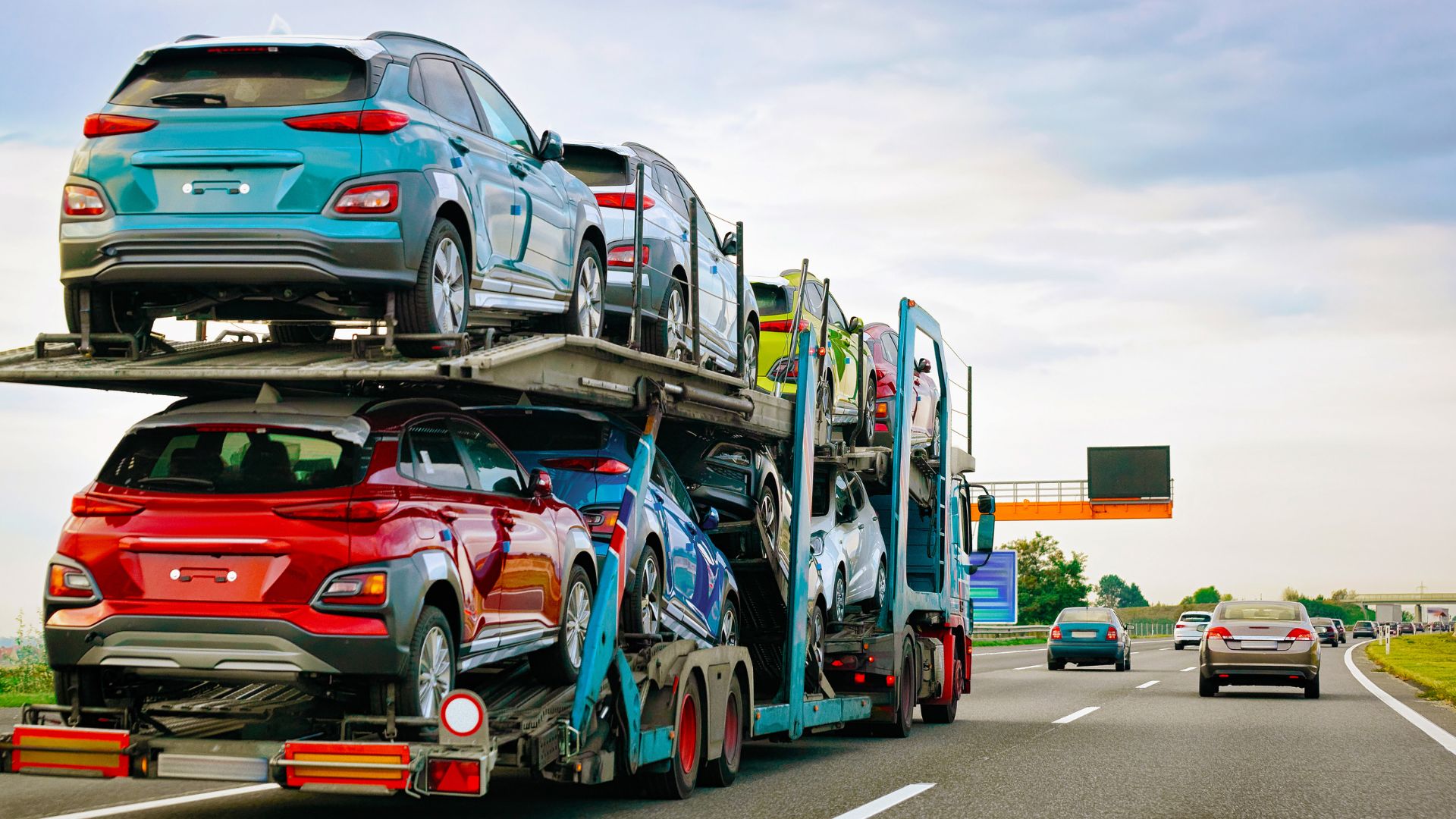
In the fast-paced world of the automotive industry, efficient car dispatch plays a crucial role in ensuring smooth operations and timely deliveries. Car dispatch involves the coordination and management of vehicle transportation from one location to another, whether it’s moving cars from manufacturing plants to dealerships or delivering vehicles to customers.
One of the key benefits of effective car dispatch is optimising logistics and reducing turnaround times. By streamlining the process of assigning vehicles to drivers, monitoring their progress, and managing routes, car dispatch helps minimise delays and maximise productivity. This not only improves operational efficiency but also enhances customer satisfaction by ensuring prompt deliveries.
Moreover, car dispatch is essential for maintaining fleet visibility and control. Through real-time tracking and monitoring systems, dispatchers can oversee the movement of vehicles, monitor driver performance, and respond promptly to any unforeseen issues or changes in schedules. This level of oversight is critical for ensuring the safety of both drivers and vehicles while also enabling quick decision-making to address any challenges that may arise.
Another significant aspect of car dispatch is its role in cost management. By optimising routes, minimising idle time, and maximising vehicle utilisation, efficient dispatch operations help reduce fuel consumption, maintenance costs, and overall operational expenses. This not only contributes to a more sustainable business model but also enhances profitability in the long run.
In conclusion, car dispatch serves as a linchpin in the automotive industry by facilitating seamless vehicle transportation, enhancing operational efficiency, ensuring timely deliveries, and optimising cost management. As technology continues to advance and new innovations emerge, harnessing the power of effective car dispatch will remain essential for staying competitive in an ever-evolving market.
Understanding Car Dispatch: Key FAQs on Technology, Benefits, and Optimisation
- What is car dispatch?
- How does car dispatch benefit the automotive industry?
- What technologies are used in car dispatch?
- What role does a dispatcher play in car dispatch?
- How can efficient car dispatch help reduce operational costs?
- How does real-time tracking contribute to effective car dispatch?
- What are the key challenges faced in implementing a successful car dispatch system?
- How can businesses improve their car dispatch processes?
What is car dispatch?
Car dispatch refers to the pivotal process of coordinating and managing the transportation of vehicles from one location to another within the automotive industry. It involves assigning vehicles to drivers, monitoring their movements, and optimising routes to ensure efficient and timely deliveries. Car dispatch plays a crucial role in streamlining logistics, enhancing operational efficiency, maintaining fleet visibility, and controlling costs. By overseeing the movement of vehicles in real-time and responding swiftly to any changes or challenges that may arise, car dispatch is instrumental in ensuring smooth operations and customer satisfaction.
How does car dispatch benefit the automotive industry?
Car dispatch plays a pivotal role in benefiting the automotive industry in several key ways. By efficiently coordinating the transportation of vehicles from production facilities to dealerships or end customers, car dispatch helps streamline logistics, reduce turnaround times, and enhance operational efficiency. Real-time tracking and monitoring systems enable dispatchers to maintain fleet visibility, ensure driver safety, and respond promptly to any unforeseen challenges. Moreover, by optimising routes, minimising idle time, and maximising vehicle utilisation, effective car dispatch contributes to cost management by reducing fuel consumption and overall operational expenses. Ultimately, car dispatch is instrumental in ensuring timely deliveries, improving customer satisfaction, and driving profitability within the automotive sector.
What technologies are used in car dispatch?
In the realm of car dispatch, a common query revolves around the technologies utilised in this critical process. Various advanced technologies are employed to streamline and enhance car dispatch operations. These include GPS tracking systems for real-time vehicle monitoring, route optimisation software to ensure efficient and cost-effective transportation, automated communication tools for seamless coordination between dispatchers and drivers, and cloud-based platforms for data storage and accessibility. By leveraging these cutting-edge technologies, car dispatch services can operate with increased precision, visibility, and responsiveness, ultimately leading to improved efficiency and customer satisfaction.
What role does a dispatcher play in car dispatch?
In the realm of car dispatch, the role of a dispatcher is paramount in ensuring the smooth and efficient movement of vehicles from one point to another. Dispatchers serve as the central orchestrators of the entire transport process, responsible for assigning drivers to vehicles, coordinating routes, monitoring progress, and addressing any unforeseen challenges that may arise along the way. Their keen oversight and quick decision-making abilities are crucial in maintaining fleet visibility, optimising logistics, and ensuring timely deliveries. Dispatchers act as the vital link between drivers, customers, and operational efficiency, playing a pivotal role in streamlining operations and upholding high standards of service in the dynamic world of car dispatch.
How can efficient car dispatch help reduce operational costs?
Efficient car dispatch plays a pivotal role in reducing operational costs through various strategic measures. By optimising routes and assigning vehicles to drivers in a systematic manner, car dispatch minimises unnecessary mileage, idle time, and fuel consumption. This streamlined approach not only enhances overall fleet efficiency but also helps in maximising vehicle utilisation, thereby reducing maintenance costs and prolonging the lifespan of the vehicles. Additionally, by enabling real-time tracking and monitoring of vehicles, efficient car dispatch allows for quick decision-making to address any issues promptly, preventing delays that could lead to additional expenses. Ultimately, by improving logistics management and enhancing productivity, efficient car dispatch contributes significantly to cost reduction and operational savings within the automotive industry.
How does real-time tracking contribute to effective car dispatch?
Real-time tracking plays a pivotal role in enhancing the effectiveness of car dispatch by providing invaluable insights and visibility into the movement of vehicles. By utilising advanced tracking technology, dispatchers can monitor the exact location of each vehicle, track its progress in real-time, and anticipate any potential delays or issues that may arise. This level of visibility enables dispatchers to make informed decisions promptly, optimise routes for efficiency, and allocate resources effectively. Real-time tracking also enhances communication between drivers and dispatchers, allowing for seamless coordination and quick response to changing circumstances. Ultimately, real-time tracking contributes significantly to effective car dispatch by improving operational efficiency, ensuring timely deliveries, and enhancing overall customer satisfaction.
What are the key challenges faced in implementing a successful car dispatch system?
Implementing a successful car dispatch system comes with its own set of challenges that organisations need to address effectively. One key challenge is ensuring accurate and real-time communication between dispatchers, drivers, and other stakeholders to maintain seamless coordination throughout the transportation process. Additionally, optimising route planning and vehicle allocation to maximise efficiency while considering factors like traffic conditions and delivery deadlines can be a complex task. Balancing the need for prompt deliveries with cost-effective operations is another critical challenge, as organisations strive to minimise expenses without compromising on service quality. Overcoming these challenges requires a combination of advanced technology, strategic planning, and effective communication to create a robust car dispatch system that meets both operational requirements and customer expectations.
How can businesses improve their car dispatch processes?
To enhance their car dispatch processes, businesses can implement several key strategies. Firstly, investing in advanced dispatch software and real-time tracking systems can significantly improve efficiency and visibility. These tools enable better route planning, driver allocation, and monitoring of vehicle movements. Secondly, establishing clear communication channels between dispatchers, drivers, and other stakeholders is essential for seamless coordination. Regular training sessions for dispatch staff and drivers can also help enhance skills and ensure adherence to best practices. Additionally, conducting regular performance reviews and analysing data metrics can provide valuable insights for identifying areas of improvement and implementing strategic changes to optimise the car dispatch process. By prioritising technology adoption, communication, training, and data-driven decision-making, businesses can elevate their car dispatch operations to new levels of effectiveness and reliability.