
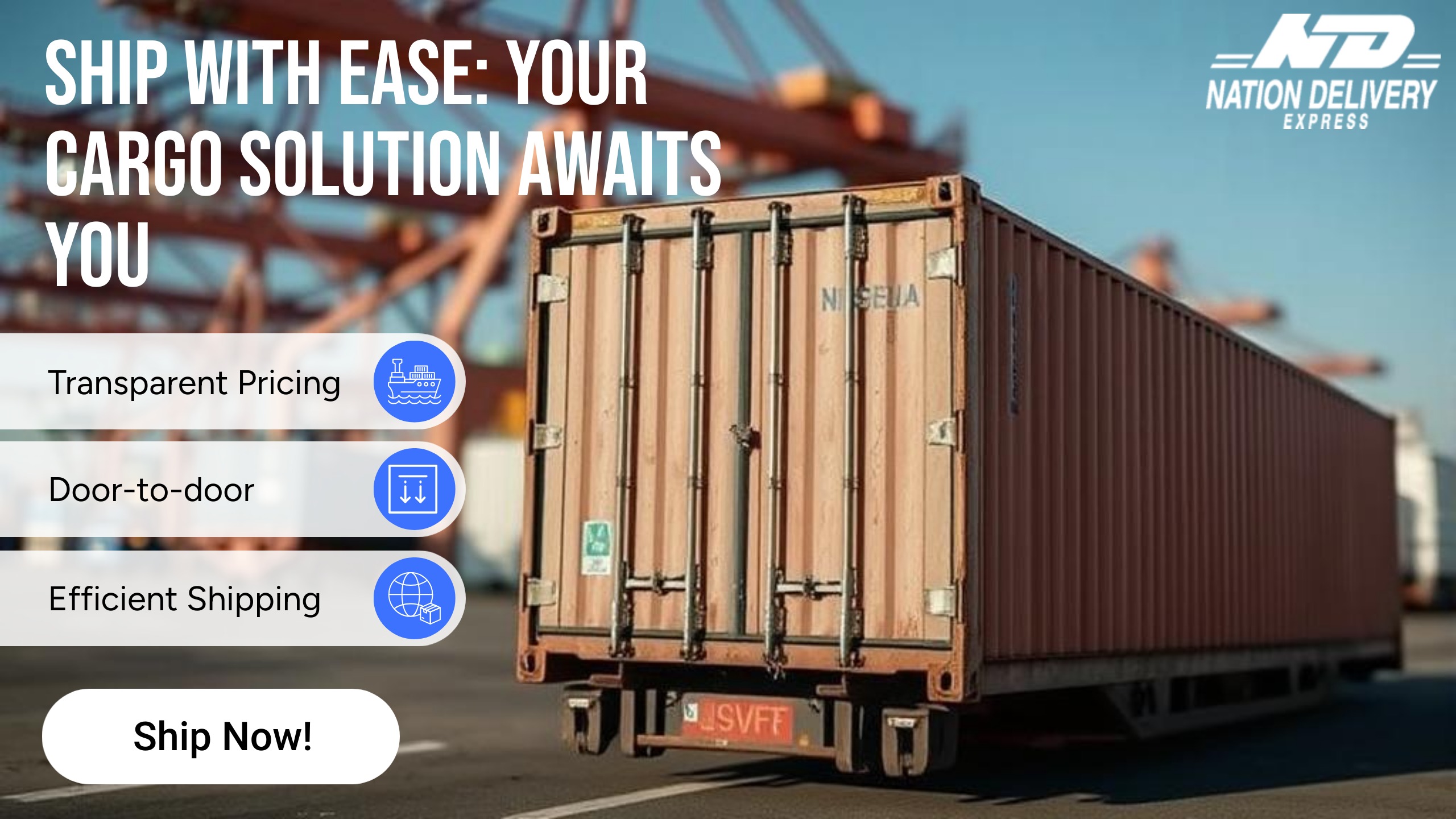
Shipping Your Car to Nigeria from the UK: A Comprehensive Guide
Shipping Car to Nigeria from UK
Transporting a car from the United Kingdom to Nigeria can be a complex process that requires careful planning and attention to detail. Whether you are relocating or selling a vehicle, understanding the steps involved in shipping a car to Nigeria is crucial.
Regulations and Requirements
Before shipping your car, it is essential to research and comply with the regulations set by both the UK and Nigerian authorities. This includes ensuring that your vehicle meets emission standards, has necessary documentation such as proof of ownership, and adheres to import restrictions imposed by Nigeria.
Choose a Reliable Shipping Company
Selecting a reputable shipping company with experience in transporting vehicles to Nigeria is vital. Look for companies that offer comprehensive services, including customs clearance, insurance coverage, and tracking options for your peace of mind.
Prepare Your Vehicle
Prior to shipping, make sure your car is thoroughly cleaned inside and out. Remove any personal belongings and ensure that the fuel tank is less than a quarter full. It is also advisable to document the condition of your vehicle through photographs for insurance purposes.
Shipping Options
There are various shipping options available when transporting a car to Nigeria from the UK. You can choose between container shipping or roll-on/roll-off (RoRo) services based on your budget and preference. Discussing these options with your chosen shipping company will help you make an informed decision.
Customs Clearance
Upon arrival in Nigeria, your vehicle will undergo customs clearance procedures. Be prepared to provide all necessary documentation and pay any applicable duties or taxes. Working closely with your shipping company can help streamline this process.
Final Checks
Before taking possession of your vehicle in Nigeria, conduct a thorough inspection to ensure it has arrived in the same condition as when it was shipped. Address any concerns immediately with the shipping company or relevant authorities.
In conclusion,
Shipping a car from the UK to Nigeria requires careful planning and adherence to regulations. By working with a reliable shipping company and following proper procedures, you can ensure a smooth and successful transport process for your vehicle.
Shipping a Car from the UK to Nigeria: Answers to 7 Common Questions
- What are the costs involved in shipping a car from the UK to Nigeria?
- How long does it take to ship a car from the UK to Nigeria?
- What documents are required for shipping a car to Nigeria?
- Are there any restrictions on the types of vehicles that can be shipped to Nigeria?
- What is the process for customs clearance in Nigeria?
- Is insurance necessary when shipping a car, and what does it cover?
- Which shipping method is better
What are the costs involved in shipping a car from the UK to Nigeria?
When considering shipping a car from the UK to Nigeria, one of the frequently asked questions revolves around the costs involved in the process. The expenses associated with transporting a vehicle to Nigeria typically include shipping fees, customs duties, taxes, insurance, and any additional services required such as storage or documentation handling. The total cost can vary depending on factors such as the size and weight of the vehicle, chosen shipping method, distance travelled, and current market conditions. It is advisable to obtain detailed quotes from reputable shipping companies to get a comprehensive understanding of the financial implications involved in shipping a car to Nigeria from the UK.
How long does it take to ship a car from the UK to Nigeria?
When shipping a car from the UK to Nigeria, one of the most frequently asked questions is regarding the time it takes for the vehicle to reach its destination. The duration of shipping a car to Nigeria from the UK can vary depending on factors such as the shipping company chosen, the specific route taken, and any potential delays in customs clearance processes. Typically, shipping a car to Nigeria from the UK can take anywhere from a few weeks to a couple of months. It is advisable to consult with your chosen shipping company for a more accurate estimate based on your individual circumstances and requirements.
What documents are required for shipping a car to Nigeria?
When shipping a car to Nigeria from the UK, several essential documents are required to facilitate a smooth and compliant process. These typically include proof of ownership such as the vehicle’s logbook (V5C), a valid photo ID, the vehicle’s title deed, an invoice or bill of sale showing the vehicle’s value, and insurance documents. Additionally, you will need to provide a valid import permit issued by Nigerian authorities and any other relevant customs paperwork. Ensuring that you have all the necessary documentation in order before shipping your car to Nigeria is crucial to avoid delays or complications during customs clearance procedures.
Are there any restrictions on the types of vehicles that can be shipped to Nigeria?
When shipping a car to Nigeria from the UK, it is important to note that there are certain restrictions on the types of vehicles that can be imported into the country. Nigeria has regulations in place regarding the age, condition, and specifications of vehicles that can be shipped. It is advisable to check with Nigerian authorities and your chosen shipping company to ensure that your vehicle meets the necessary requirements for importation. By understanding and adhering to these restrictions, you can avoid any potential issues or delays during the shipping process and ensure a smooth arrival of your vehicle in Nigeria.
What is the process for customs clearance in Nigeria?
When shipping a car to Nigeria from the UK, one frequently asked question revolves around the process for customs clearance in Nigeria. Customs clearance in Nigeria involves submitting all necessary documentation, such as proof of ownership, vehicle details, and import permits, to the Nigerian customs authorities. Additionally, paying any applicable duties or taxes is a crucial part of the clearance process. Working closely with your chosen shipping company can help navigate the complexities of customs clearance in Nigeria and ensure that your vehicle meets all regulatory requirements for a smooth entry into the country.
Is insurance necessary when shipping a car, and what does it cover?
When shipping a car from the UK to Nigeria, having insurance is not just necessary but also highly recommended. Insurance provides essential protection for your vehicle during transit, covering potential risks such as damage, theft, or loss. Depending on the type of insurance coverage you choose, it may also include liability protection in case of accidents or unforeseen circumstances. Having comprehensive insurance in place offers peace of mind and ensures that your car is safeguarded throughout the shipping process, providing financial security in case of any unfortunate incidents.
Which shipping method is better
When considering shipping a car to Nigeria from the UK, a frequently asked question revolves around determining the better shipping method. The choice between container shipping and roll-on/roll-off (RoRo) services depends on various factors such as budget, convenience, and level of protection desired for the vehicle. Container shipping offers added security and protection from external elements but may be more expensive. On the other hand, RoRo services are often more cost-effective and efficient for transporting vehicles quickly. Ultimately, selecting the better shipping method depends on individual preferences and priorities when it comes to ensuring a smooth and reliable transport process for your car to Nigeria.