
Shipping a Car from the UK to Zimbabwe: A Comprehensive Guide
Shipping a Car from UK to Zimbabwe
Transporting a car from the United Kingdom to Zimbabwe involves a series of steps and considerations to ensure a smooth and successful process.
Choose a Reliable Shipping Company: Start by selecting a reputable shipping company with experience in international car transport. Look for companies that offer services specifically tailored for shipping vehicles to Zimbabwe.
Obtain Necessary Documentation: Ensure you have all the required documentation for exporting your car from the UK and importing it into Zimbabwe. This may include ownership documents, insurance papers, and compliance certificates.
Vehicle Preparation: Prepare your car for shipping by cleaning it thoroughly, removing any personal belongings, and ensuring it is in good working condition. Take note of any existing damage for comparison upon arrival in Zimbabwe.
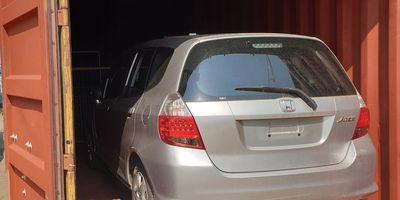
Shipping Options: Choose between container shipping or roll-on/roll-off (RoRo) shipping based on your preferences and budget. Container shipping offers more protection but can be more expensive, while RoRo is a cost-effective option for transporting vehicles.
Customs Clearance: Work closely with your shipping company to navigate the customs clearance process in both the UK and Zimbabwe. Be prepared for inspections, duties, and taxes that may apply upon arrival in Zimbabwe.
Delivery in Zimbabwe: Coordinate with local authorities or agents in Zimbabwe to facilitate the smooth delivery of your car once it arrives at the port. Ensure all necessary paperwork is in order to avoid delays.
Vehicle Registration: Upon receiving your car in Zimbabwe, complete the necessary registration procedures to ensure your vehicle is legally compliant and ready for use on local roads.
In conclusion, shipping a car from the UK to Zimbabwe requires careful planning, attention to detail, and collaboration with experienced professionals. By following these steps and working with trusted partners, you can successfully transport your vehicle to its destination in Zimbabwe.
Essential Tips for Shipping Your Car from the UK to Zimbabwe
- Ensure the car meets the import requirements of Zimbabwe.
- Choose a reliable shipping company with experience in international car transportation.
- Obtain all necessary documentation such as proof of ownership, insurance, and customs forms.
- Consider additional costs such as customs duties, taxes, and shipping insurance.
- Inspect the car thoroughly before shipping to document any existing damage.
- Plan ahead and allow sufficient time for the entire shipping process.
Ensure the car meets the import requirements of Zimbabwe.
When shipping a car from the UK to Zimbabwe, it is crucial to ensure that the vehicle meets the import requirements of Zimbabwe. This involves understanding and complying with the specific regulations set by Zimbabwean authorities regarding vehicle imports. By confirming that the car aligns with these requirements before shipping, you can avoid potential issues or delays during customs clearance in Zimbabwe. Ensuring compliance with import regulations is essential for a smooth and successful car shipping process to Zimbabwe.
Choose a reliable shipping company with experience in international car transportation.
When shipping a car from the UK to Zimbabwe, it is crucial to select a trustworthy shipping company with a proven track record in international car transportation. Opting for a reputable company that specialises in such services ensures that your vehicle is handled with care and expertise throughout the entire shipping process. Experience in navigating the complexities of cross-border transport can make a significant difference in ensuring a smooth and secure delivery of your car to its destination in Zimbabwe. By choosing a reliable shipping company, you can have confidence in the successful and efficient transportation of your vehicle across continents.
Obtain all necessary documentation such as proof of ownership, insurance, and customs forms.
To ensure a smooth and hassle-free process when shipping a car from the UK to Zimbabwe, it is crucial to obtain all necessary documentation, including proof of ownership, insurance details, and customs forms. These documents are essential for complying with legal requirements in both countries and facilitating the smooth transit of your vehicle. By being proactive and organised in gathering these paperwork beforehand, you can expedite the customs clearance process and avoid any delays or complications during the shipment of your car.
Consider additional costs such as customs duties, taxes, and shipping insurance.
When shipping a car from the UK to Zimbabwe, it is crucial to consider additional costs beyond the basic shipping fees. Customs duties, taxes, and shipping insurance are essential factors that can significantly impact the overall cost of transporting your vehicle. Being aware of these potential expenses upfront and factoring them into your budgeting process will help you avoid any financial surprises and ensure a smooth and hassle-free shipping experience.
Inspect the car thoroughly before shipping to document any existing damage.
Before shipping your car from the UK to Zimbabwe, it is essential to conduct a comprehensive inspection of the vehicle to document any pre-existing damage. This step is crucial in ensuring that you have a clear record of the car’s condition prior to transportation. By thoroughly examining the vehicle and noting down any scratches, dents, or other imperfections, you can avoid disputes regarding damages that may occur during the shipping process. Documenting the existing state of your car provides valuable protection and peace of mind, allowing for a smoother and more transparent shipping experience from start to finish.
Plan ahead and allow sufficient time for the entire shipping process.
When shipping a car from the UK to Zimbabwe, it is crucial to plan ahead and allocate ample time for the complete shipping process. By giving yourself sufficient time, you can ensure that all necessary documentation is in order, make informed decisions about shipping options, and coordinate effectively with shipping companies and customs authorities in both countries. Planning ahead allows for a smoother and more efficient transport experience, reducing the likelihood of delays or complications along the way.