
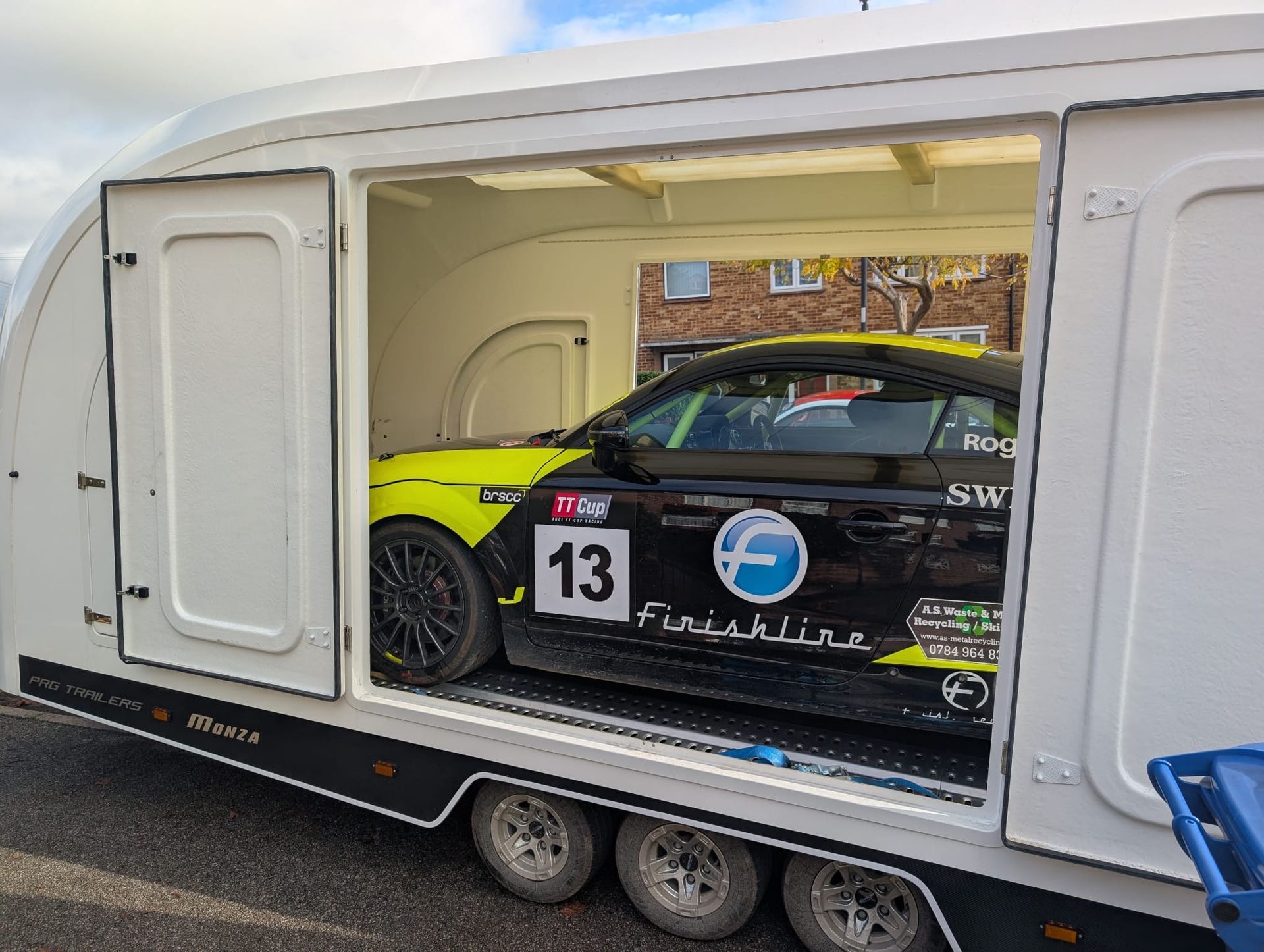
Covered Car Carriers: A Guide to Enclosed Vehicle Transport
Covered Car Carriers: A Guide to Enclosed Vehicle Transport
When a vehicle needs extra protection during transit, a covered car carrier can be a practical alternative to an open transporter. Also known as an enclosed car carrier, it transports vehicles inside a covered trailer, shielding them from many of the elements and hazards they may encounter on the road.
Covered transport is often chosen for classic, prestige, performance or newly purchased vehicles. It can also suit any owner who would prefer their car to travel out of sight and protected from the weather. Here’s how covered car carriers work and what to consider when arranging transport.
What is a covered car carrier?
A covered car carrier is a trailer or transport vehicle with enclosed sides and a roof. Vehicles are loaded inside, secured for the journey and unloaded at the agreed destination. Carrier sizes and loading arrangements vary: some are designed for a single vehicle, while others can transport several cars.
Depending on the carrier, loading may be carried out using ramps, a hydraulic lift or another specialist system. If a vehicle has low ground clearance, limited mobility or particular loading requirements, tell the transport provider in advance so they can assess whether the equipment is suitable.
Why choose covered transport?
- Protection from the weather: An enclosed trailer helps shield a vehicle from rain, road spray, wind and direct sunlight during transit.
- Reduced exposure to road debris: The vehicle is less exposed to stones, dust and other debris thrown up by traffic.
- Greater privacy: The vehicle is not on display in the same way as it would be on an open transporter.
- Suitable for valuable or delicate vehicles: Owners of classic, restored, prestige or competition cars may value the added protection.
Covered transport can reduce exposure to certain risks, but it cannot remove every risk associated with moving a vehicle. It is sensible to check the provider’s insurance arrangements, terms and procedures before booking.
Covered versus open car transport
Open transporters carry vehicles on an exposed trailer and are commonly used for routine vehicle movements. They can be an efficient option, particularly when cost or availability is a priority. Covered carriers offer an enclosed environment, which may provide additional protection and privacy, but they can be more expensive and may have less availability.
The right option depends on the vehicle, the journey, your budget and how much protection you want. For an everyday car, open transport may be entirely suitable. For a rare, valuable or particularly vulnerable vehicle, it may be worth comparing quotes for enclosed transport.
What to check before booking
Before choosing a covered car carrier, ask the transport provider about:
- Vehicle suitability: Confirm the carrier can accommodate your car’s dimensions, weight and ground clearance.
- Loading arrangements: Explain if the vehicle is non-running, has restricted access or needs special handling.
- Insurance: Ask what cover applies during loading, transit and unloading, and whether any limits or exclusions may affect your vehicle.
- Collection and delivery: Check whether the carrier can access both locations, especially if they are on narrow roads or have limited turning space.
- Timing: Find out whether the service is scheduled for a specific date or within a collection and delivery window.
- Preparation: Ask what needs to be done before collection, such as removing loose items or providing keys and vehicle documents.
Preparing your vehicle for transport
Before collection, remove personal belongings and any loose items from the car. Check that the vehicle’s condition is recorded, and take dated photographs from several angles. Tell the provider about existing damage, mechanical issues, alarm systems or anything else that could affect loading or transit.
Unless the transport provider advises otherwise, leave only a small amount of fuel in the vehicle and make sure the keys are available. Follow the carrier’s instructions, as requirements may differ depending on the equipment and journey.
Is a covered car carrier right for you?
A covered car carrier may be a good choice when extra protection, privacy or specialist handling matters more than finding the lowest-cost transport option. It is worth discussing your vehicle and journey with a transport provider before booking. They can confirm whether an enclosed carrier is suitable and explain the service, timings and cover available.
By checking the details in advance and preparing your vehicle properly, you can make an informed choice and help ensure the transport arrangements meet your needs.
Essential FAQs About Covered Car Carriers: Safety, Costs, and More
- What is a carrier in automotive?
- Are car carriers safe?
- How much does it cost to deliver a car 100 miles?
- What is the best enclosed car transport company?
- Where can I find an enclosed car transporter for sale?
- What is the name of a car carrier?
- Can I get paid to wrap my car in the UK?
- What is a carrier car?
What is a carrier in automotive?
In automotive transport, a carrier is a vehicle or trailer designed to move cars from one location to another. A covered car carrier is an enclosed version, with a roof and sides that help protect vehicles from weather and road debris during transit. Carriers may transport one or several vehicles, depending on their size and design.
Are car carriers safe?
Yes, car carriers are generally a safe way to transport a vehicle when operated by an experienced provider using suitable, well-maintained equipment. Cars should be loaded and secured correctly, and the carrier should have appropriate insurance for the journey. Before booking, check what the cover includes, tell the provider about any special requirements and take photos of your car’s condition at collection. No transport method can eliminate every risk, but these steps can help give you added peace of mind.
How much does it cost to deliver a car 100 miles?
The cost of delivering a car 100 miles on a covered car carrier depends on factors such as the vehicle’s size and condition, collection and delivery access, timing and whether the journey can be combined with other deliveries. Enclosed transport generally costs more than open transport because it offers added protection and uses specialist equipment. For an accurate price, provide the transport company with the vehicle details, both postcodes and your preferred dates, and ask what insurance is included in the quote.
What is the best enclosed car transport company?
The best enclosed car transport company is one that can safely accommodate your vehicle and provides clear, reliable service from collection to delivery. Look for a provider with suitable enclosed-carrier equipment, appropriate insurance, experience transporting vehicles like yours, transparent pricing and positive independent reviews. Before booking, confirm the collection and delivery arrangements, expected timings and what the insurance covers, particularly if your car is valuable, low to the ground or non-running.
Where can I find an enclosed car transporter for sale?
You can find an enclosed car transporter for sale through specialist commercial vehicle dealers, trailer manufacturers and reputable online vehicle marketplaces. Search for terms such as “enclosed car transporter” and “covered car transporter”, and compare new and used options for size, payload, loading system and towing requirements. Before buying, check the transporter’s condition, service history, roadworthiness and suitability for the vehicles you intend to carry. For a used model, consider arranging an independent inspection and confirming that the seller has clear ownership documents.
What is the name of a car carrier?
A car carrier is commonly called a car transporter or vehicle transporter. If it has an enclosed body that protects vehicles from the weather and road debris, it is usually known as a covered or enclosed car transporter.
Can I get paid to wrap my car in the UK?
Yes, it is possible to earn money by having your car wrapped with advertising in the UK, but genuine opportunities are relatively uncommon and usually depend on your location, driving habits and vehicle. Reputable campaigns will explain the payment and contract terms clearly; be wary of anyone asking for an upfront fee or sending a cheque and asking you to return part of the money, as these are common scam tactics.
What is a carrier car?
A carrier car is a vehicle designed or equipped to transport other cars, usually on a trailer or purpose-built transporter. A covered carrier car carries vehicles inside an enclosed space, helping protect them from weather and road debris during transit. The term can also refer to the car being transported, so it is worth checking the context when arranging a booking.