
Unlocking Efficiency: The Role of Car Logistics in Automotive Supply Chains
The Importance of Car Logistics in the Automotive Industry
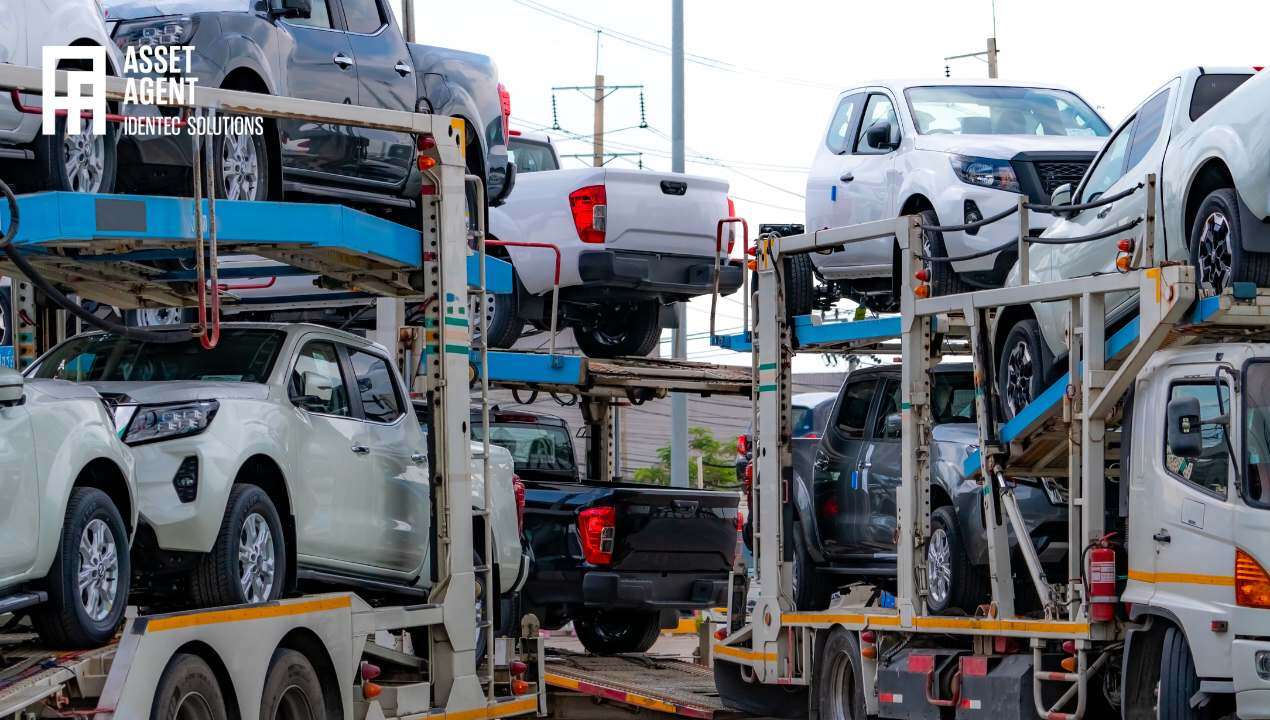
Car logistics play a crucial role in the automotive industry, ensuring that vehicles are transported efficiently and safely from manufacturers to dealerships and ultimately to customers. This intricate process involves meticulous planning, coordination, and execution to meet the demands of a dynamic market.
One key aspect of car logistics is supply chain management. Efficient supply chains help streamline the movement of vehicles, parts, and components, reducing costs and improving delivery times. By optimising routes, modes of transport, and storage facilities, car logistics companies can enhance operational efficiency and customer satisfaction.
Another critical factor in car logistics is inventory management. Maintaining an accurate inventory of vehicles in transit is essential for tracking shipments, preventing delays, and managing stock levels effectively. Advanced technologies such as GPS tracking and RFID systems enable real-time monitoring of vehicle movements, enhancing visibility and control over the supply chain.
Car logistics also play a vital role in sustainability efforts within the automotive industry. By implementing eco-friendly transport solutions such as electric vehicles or alternative fuels, logistics companies can reduce carbon emissions and minimise environmental impact. Sustainable practices not only benefit the planet but also appeal to environmentally conscious consumers.
In today’s globalised marketplace, car logistics have become more complex due to factors such as international trade regulations, customs procedures, and cross-border transportation challenges. To navigate these complexities successfully, logistics providers must stay informed about industry trends, regulations, and best practices to ensure compliance and efficiency.
Ultimately, effective car logistics are essential for maintaining a competitive edge in the automotive industry. By optimising transport processes, reducing costs, enhancing visibility, and promoting sustainability, logistics companies can deliver value to customers while driving growth and innovation across the supply chain.
Essential Tips for Stress-Free Car Logistics: A Guide to Safe and Efficient Transport
- Plan your car logistics in advance to avoid last-minute stress.
- Ensure you have all necessary documents for transporting your car, such as registration and insurance papers.
- Research and choose a reputable car transport company with good reviews and proper licensing.
- Inspect your car before handing it over for transportation and document any existing damages with photos or videos.
- Remove personal belongings from the car to prevent loss or damage during transit.
- Communicate clearly with the transport company about pickup and delivery schedules to avoid any misunderstandings.
- Track your car’s journey if possible to stay updated on its location and estimated arrival time.
- Upon delivery, inspect your car again for any new damages that may have occurred during transportation.
Plan your car logistics in advance to avoid last-minute stress.
Planning your car logistics in advance is a valuable tip to prevent last-minute stress and ensure a smooth transport process. By carefully scheduling the transportation of your vehicle ahead of time, you can secure preferred delivery dates, choose the most cost-effective transport options, and make necessary arrangements with confidence. Proactive planning allows for adequate time to address any potential challenges that may arise, such as unexpected delays or changes in logistics requirements. By taking this proactive approach, you can minimise uncertainties and enjoy a stress-free car transport experience from start to finish.
Ensure you have all necessary documents for transporting your car, such as registration and insurance papers.
When engaging in car logistics, it is imperative to ensure that you possess all essential documentation required for transporting your vehicle securely and legally. This includes crucial paperwork like registration and insurance documents. Having these papers readily available not only ensures compliance with regulations but also provides peace of mind knowing that your vehicle is adequately covered and authorised for transport. By preparing and organising all necessary documents in advance, you can facilitate a smooth and hassle-free transportation process for your car.
Research and choose a reputable car transport company with good reviews and proper licensing.
When it comes to car logistics, a crucial tip is to research and select a reputable car transport company with positive reviews and appropriate licensing. By choosing a company that has a proven track record of delivering vehicles safely and on time, you can ensure a smooth and reliable transport experience. Checking customer reviews can provide valuable insights into the company’s reputation and service quality, while verifying their licensing credentials guarantees compliance with industry regulations. Making an informed decision in selecting a trustworthy car transport provider is key to safeguarding your vehicle and ensuring a hassle-free transportation process.
Inspect your car before handing it over for transportation and document any existing damages with photos or videos.
Before entrusting your car for transportation, it is crucial to conduct a thorough inspection and document any pre-existing damages. Taking photos or videos of your vehicle from various angles can serve as valuable evidence in case of any disputes regarding its condition upon delivery. By documenting the state of your car beforehand, you can ensure that any damages incurred during transport are accurately identified and addressed, providing you with peace of mind and safeguarding your interests throughout the logistics process.
Remove personal belongings from the car to prevent loss or damage during transit.
It is crucial to remove personal belongings from your car before transit to avoid potential loss or damage. Keeping the interior of the vehicle clear not only ensures the safety of your possessions but also reduces the risk of them shifting and causing harm to the car during transportation. By following this simple tip, you can help maintain a clutter-free and secure environment for your vehicle throughout the logistics process.
Communicate clearly with the transport company about pickup and delivery schedules to avoid any misunderstandings.
Clear communication with the transport company regarding pickup and delivery schedules is paramount in ensuring a smooth car logistics process. By clearly outlining expectations and confirming timings in advance, both parties can align their operations effectively, reducing the risk of misunderstandings or delays. Open dialogue and transparency foster trust and accountability, ultimately leading to a more efficient and satisfactory transport experience for all involved.
Track your car’s journey if possible to stay updated on its location and estimated arrival time.
Tracking your car’s journey is a valuable tip in car logistics, providing you with real-time updates on its location and estimated arrival time. By staying informed throughout the transport process, you can better plan for the vehicle’s delivery and address any unexpected delays promptly. Tracking technology enhances visibility and transparency, ensuring that you are always aware of your car’s progress and can make informed decisions based on the most up-to-date information available.
Upon delivery, inspect your car again for any new damages that may have occurred during transportation.
Upon delivery of your vehicle, it is essential to conduct a thorough inspection to identify any new damages that may have occurred during transportation. By carefully examining your car for scratches, dents, or other issues that were not present before shipping, you can promptly address any concerns with the transport company and ensure that necessary repairs are made. This proactive approach helps protect your investment and guarantees that your vehicle arrives in the same condition as when it was entrusted for transport.