
Cross Country Car Haulers: A Guide to Long-Distance Vehicle Transport
Cross-Country Car Haulers: A Guide to Long-Distance Vehicle Transport
Moving a car across a country can be a major undertaking. Whether you are relocating, buying a vehicle from a distant seller or arranging transport for a classic car, cross-country car haulers can move it without adding a long drive to your plans. In the UK, these services are often described as vehicle transport, car delivery or vehicle haulage.
Understanding how car hauliers work can help you choose a suitable service, prepare your vehicle and know what to expect from collection to delivery.
What do cross-country car haulers do?
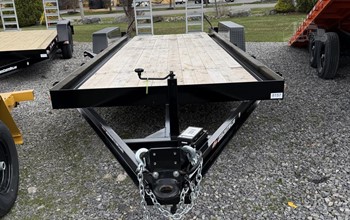
Car hauliers transport vehicles over long distances using purpose-built vehicle transporters or trailers. Depending on the operator and journey, your car may travel on an open transporter or inside an enclosed vehicle. Some providers offer shared loads, where several vehicles are transported together, while others arrange dedicated transport for one vehicle.
Services can be useful for private customers, dealerships, businesses and event organisers. They may transport cars that are roadworthy as well as vehicles that cannot be driven, although non-running vehicles usually need to be declared in advance.
Open or enclosed transport?
Open transport
Open transport is a common option for standard vehicles. Cars are secured on an open trailer, often alongside other vehicles. It can be an economical choice, but the vehicle is exposed to ordinary road and weather conditions during the journey.
Enclosed transport
Enclosed transport carries a vehicle inside a covered trailer. It may suit classic, prestige, performance or particularly valuable cars where added protection from the elements and road debris is preferred. Availability and pricing vary, so it is worth asking what the service includes.
How to choose a car haulier
Before booking, compare providers on more than price alone. Ask clear questions about the service and check that the arrangements match your vehicle and journey.
- Insurance: Ask what cover applies while the vehicle is being loaded, transported and unloaded. Check any limits, exclusions and excesses, and whether you need to arrange additional cover.
- Vehicle suitability: Tell the haulier about the car’s condition, dimensions and any modifications. Confirm whether they can transport a non-running vehicle.
- Collection and delivery: Check whether the service is door-to-door or depot-to-depot. Large transporters may not be able to access narrow roads, low bridges or restricted locations.
- Timing: Ask for an estimated collection and delivery window. Shared-load services may offer less precise timings than dedicated transport.
- Terms and communication: Read the booking terms and find out how updates, delays or changes will be handled.
- Reviews and credentials: Look for recent customer feedback and verify the company’s business details before making a booking.
What affects the cost?
The price of cross-country car transport depends on several factors. These can include the distance, vehicle size and weight, whether the car is running, the type of transporter, the collection and delivery locations, and how quickly the journey is required. Enclosed or dedicated transport can cost more than a shared open load.
When comparing quotations, check that each one covers the same service. A lower price may not include the same collection arrangements, insurance terms or delivery flexibility as another quote. Provide accurate details about the vehicle and access at both locations to help avoid unexpected charges.
How to prepare your car
A few simple steps can make collection and delivery smoother:
- Remove personal belongings and loose items from the vehicle.
- Leave the fuel tank at the level requested by the transporter. A small amount may be needed for loading, but instructions can vary.
- Make sure the car is accessible and disclose any mechanical problems, alarms or special starting instructions.
- Take photographs of the vehicle from several angles before handover, noting any existing marks or damage.
- Provide keys and documents only as agreed with the haulier, and keep a record of the handover.
- At delivery, inspect the vehicle and record any concerns before signing the relevant paperwork.
What to expect during transport
After booking, the haulier should confirm the main arrangements, including the collection location, contact details and an estimated timeframe. On the day, the driver will need suitable access to load and unload the vehicle safely. If access is restricted, agree an alternative meeting point in advance.
Long-distance journeys can be affected by traffic, weather, road closures and loading schedules. Keep your phone available and make sure the transport company has the correct contact details. If the vehicle is being delivered to someone else, confirm that person’s availability and inspection arrangements beforehand.
Frequently asked questions
Can a car haulier transport a vehicle that does not start?
Some can, using suitable loading equipment, but this must be agreed before booking. Explain whether the car can roll, steer and brake, as this can affect the equipment and price required.
Can personal belongings be left in the car?
Policies differ, and belongings may not be covered by the transporter’s insurance. It is usually best to remove them unless the company has confirmed in writing that specific items are permitted.
How long does cross-country car transport take?
Journey time depends on the route, collection and delivery schedules, and whether the vehicle is travelling on a shared load. Ask the provider for a realistic delivery window rather than assuming the car will arrive at a precise time.
Choosing the right transport service
A reliable cross-country car haulier should explain the service clearly, ask for accurate information about the vehicle and provide transparent terms. By checking insurance, access, timings and preparation requirements before booking, you can make an informed choice and help your vehicle’s journey run smoothly.
Essential Tips for Choosing a Cross-Country Car Haulier
- Check the haulier’s insurance covers your vehicle’s full value.
- Get a written quote with all fees listed.
- Confirm collection and delivery dates before booking.
- Remove personal belongings from the car.
- Photograph the vehicle before collection.
- Check whether the car must be roadworthy or can be winched on.
- Read the cancellation and damage-claim terms carefully.
Check the haulier’s insurance covers your vehicle’s full value.
Before booking a cross-country car haulier, check that its insurance covers your vehicle for its full current value while it is being loaded, transported and unloaded. Ask for details of the policy limits, excesses and exclusions, and confirm whether cover applies to your vehicle’s specific type and condition. If the policy does not provide enough protection, consider arranging additional cover before transport.
Get a written quote with all fees listed.
Before booking a cross-country car haulier, ask for a written quote that lists every fee and explains what the service includes. Check whether charges for collection, delivery, fuel, additional mileage, vehicle condition or access restrictions are included, and ask about any possible extra costs. Comparing itemised quotes makes it easier to assess providers fairly and reduces the risk of unexpected charges later.
Confirm collection and delivery dates before booking.
Before booking a cross-country car haulier, confirm the collection and delivery dates and check that they fit your plans. Ask whether these are guaranteed dates or estimates, particularly if your vehicle is travelling as part of a shared load. Clarify how much notice you will receive, what happens if there is a delay, and whether changing the dates could incur an extra charge. Getting the arrangements in writing helps avoid misunderstandings and makes it easier to plan around your vehicle’s journey.
Remove personal belongings from the car.
Before your car is collected by a cross-country haulier, remove personal belongings and loose items from inside the vehicle. They could shift during transport, cause damage or be lost, and may not be covered by the transporter’s insurance. Check the haulier’s terms for any exceptions, then leave the car clear and ready for collection.
Photograph the vehicle before collection.
Before your vehicle is collected, take clear photographs of its exterior and interior from several angles, including any existing scratches, dents or other damage. Make sure the images are well lit and dated, and keep them until the vehicle has been delivered and inspected. These photos provide a useful record of the car’s condition at handover and can help resolve any questions about its condition after transport.
Check whether the car must be roadworthy or can be winched on.
Before booking a cross-country car haulier, check whether your vehicle needs to be roadworthy or can be winched onto the transporter. If it does not start, or has steering or braking problems, tell the provider in advance so they can confirm they have suitable loading equipment and give an accurate quote.
Read the cancellation and damage-claim terms carefully.
Before booking a cross-country car haulier, read the cancellation and damage-claim terms carefully so you understand your rights and responsibilities. Check whether cancellation fees apply, how much notice is required and what happens if the transporter changes or delays the booking. Also find out how to report damage, what evidence you need to provide, the deadline for making a claim and what the haulier’s insurance covers. Photograph the vehicle before collection and inspect it on delivery, recording any concerns before signing the handover documents.