
Maximising Vehicle Efficiency: A Greener and Cost-Effective Approach
The Importance of Vehicle Efficiency
Vehicle efficiency is a crucial aspect of modern transportation that directly impacts not only the environment but also our wallets. With the increasing focus on sustainability and reducing carbon footprints, it’s more important than ever to consider how efficiently our vehicles operate.
Efficient vehicles consume less fuel, resulting in lower running costs and reduced emissions. This not only saves money for the vehicle owner but also contributes to a cleaner and healthier environment by decreasing greenhouse gas emissions.
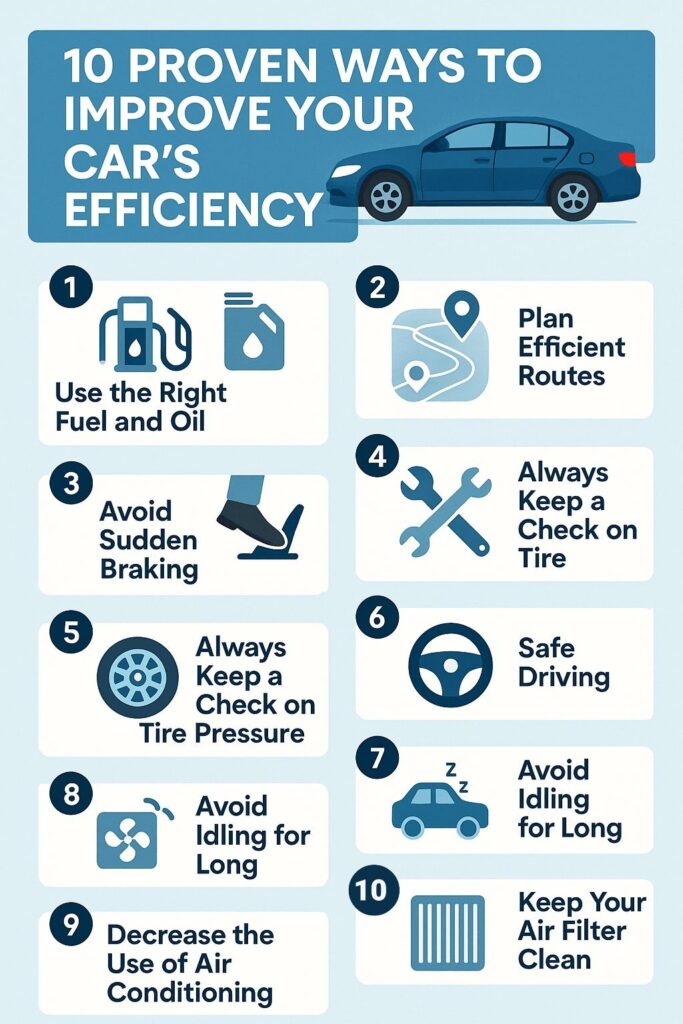
There are several ways to improve vehicle efficiency, such as regular maintenance, proper tyre inflation, smoother driving habits, and using the right fuel. By keeping your vehicle well-maintained and adopting eco-friendly driving practices, you can significantly increase its efficiency and reduce its impact on the environment.
Manufacturers are also continuously developing new technologies to enhance vehicle efficiency, including hybrid and electric vehicles that run on alternative fuels. These advancements not only help reduce our reliance on fossil fuels but also promote a more sustainable approach to transportation.
Ultimately, prioritising vehicle efficiency benefits both individuals and the planet as a whole. By making conscious choices to improve how we utilise our vehicles, we can contribute to a greener future while enjoying cost savings in the process.
Top 7 Tips for Enhancing Vehicle Efficiency and Reducing Fuel Consumption
- Ensure regular maintenance checks are carried out.
- Keep tires properly inflated to improve fuel efficiency.
- Avoid excessive idling as it wastes fuel.
- Drive at a steady speed and avoid sudden accelerations/decelerations.
- Remove unnecessary weight from the vehicle to reduce fuel consumption.
- Use air conditioning sparingly as it can increase fuel consumption.
- Plan routes efficiently to minimize driving distance.
Ensure regular maintenance checks are carried out.
Ensuring regular maintenance checks are carried out is a fundamental tip for enhancing vehicle efficiency. By adhering to scheduled maintenance, such as oil changes, filter replacements, and tune-ups, you can keep your vehicle running smoothly and optimally. Regular inspections help identify and address any potential issues before they escalate, ensuring that your vehicle operates efficiently and reliably. Neglecting maintenance can lead to decreased fuel efficiency, increased emissions, and potentially costly repairs down the line. Therefore, prioritising routine maintenance checks is key to prolonging the lifespan of your vehicle while maximising its performance and efficiency.
Keep tires properly inflated to improve fuel efficiency.
Ensuring that your vehicle’s tires are properly inflated is a simple yet effective tip to enhance fuel efficiency. Underinflated tires can increase rolling resistance, requiring more energy to move the vehicle and consequently leading to higher fuel consumption. By maintaining the correct tire pressure levels recommended by the manufacturer, you can not only improve fuel efficiency but also extend the lifespan of your tires and promote safer driving conditions. This small adjustment can make a significant difference in both your vehicle’s performance and environmental impact.
Avoid excessive idling as it wastes fuel.
Avoiding excessive idling is a simple yet effective tip to improve vehicle efficiency. Idling not only wastes fuel but also contributes to unnecessary emissions and pollution. By turning off the engine when parked or waiting for extended periods, drivers can conserve fuel, reduce their carbon footprint, and save money on fuel costs. Adopting this practice not only benefits the environment but also helps maintain a more efficient and sustainable approach to driving.
Drive at a steady speed and avoid sudden accelerations/decelerations.
Driving at a steady speed and avoiding sudden accelerations and decelerations is a key tip for improving vehicle efficiency. By maintaining a consistent pace on the road, you can reduce fuel consumption and minimise wear and tear on your vehicle. Sudden changes in speed not only waste fuel but also increase emissions, contributing to environmental pollution. Adopting smooth driving habits not only benefits your wallet by saving on fuel costs but also helps to promote a more sustainable approach to transportation, ultimately leading to a cleaner and healthier environment for all.
Remove unnecessary weight from the vehicle to reduce fuel consumption.
Removing unnecessary weight from your vehicle is a simple yet effective tip to enhance vehicle efficiency and reduce fuel consumption. By decluttering your car of excess items that add unnecessary weight, you can lighten the load on your engine and improve fuel economy. Every kilogram of weight saved translates into less work for your vehicle, resulting in increased efficiency and savings at the fuel pump. So, next time you hit the road, consider removing any non-essential items from your vehicle to make your journeys more economical and environmentally friendly.
Use air conditioning sparingly as it can increase fuel consumption.
Using air conditioning sparingly can significantly impact vehicle efficiency by reducing fuel consumption. Air conditioning systems draw power from the engine, causing it to work harder and consume more fuel. To improve fuel efficiency, consider using the air conditioning only when necessary and opting for natural ventilation whenever possible. By minimising the use of air conditioning, drivers can not only save on fuel costs but also lessen their vehicle’s environmental impact.
Plan routes efficiently to minimize driving distance.
Planning routes efficiently is a key tip for enhancing vehicle efficiency. By mapping out the most direct and time-saving routes, drivers can minimise unnecessary driving distance and reduce fuel consumption. This not only saves money on fuel costs but also helps lower emissions, contributing to a more sustainable approach to transportation. Prioritising efficient route planning is a simple yet effective way to improve overall vehicle efficiency and promote eco-friendly driving habits.