
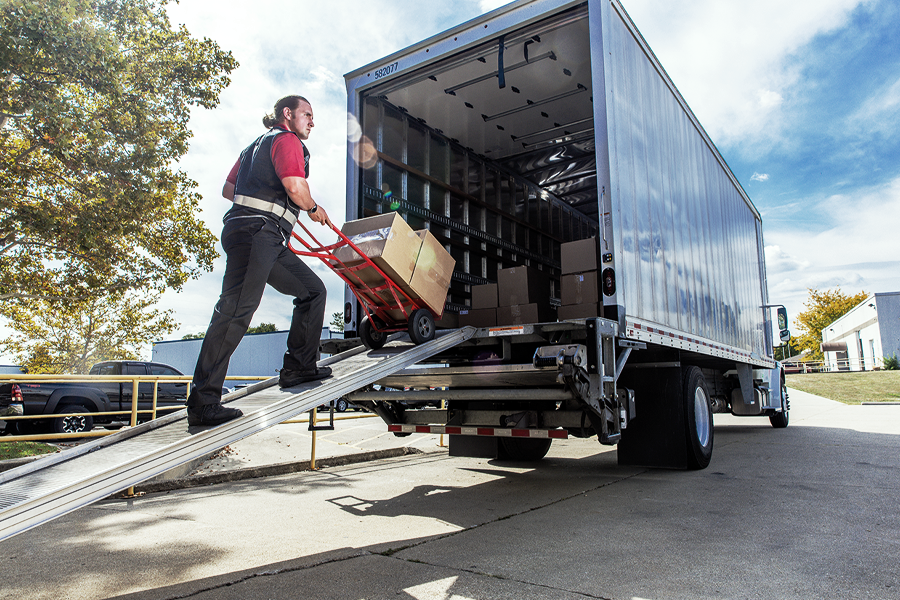
Auto Freight Carriers: A Guide to Safe and Reliable Vehicle Transport
Auto Freight Carriers: A Guide to Vehicle Transport
Auto freight carriers transport cars and other vehicles from one location to another. They are used by private individuals, motor dealers, manufacturers, auction houses and businesses moving fleet vehicles. Whether a car needs to travel across the UK or be shipped overseas, the right transport option can make the journey more convenient and help keep the vehicle protected.
What is an auto freight carrier?
An auto freight carrier is a vehicle or transport service designed to move cars. In the UK, this may involve a transporter lorry carrying several vehicles, a smaller trailer moving one or two cars, or a specialist service for vehicles that need particular care. For international journeys, cars may also be transported by sea in a shipping container or on a roll-on, roll-off vessel.
The best option depends on the vehicle, the collection and delivery locations, the required timescale and the customer’s budget.
Common types of vehicle transport
Open car transporters
Open transporters are commonly used to move multiple vehicles at once. They are often a practical and cost-effective choice for standard cars travelling between accessible locations. Vehicles are secured on the transporter, but remain exposed to normal road and weather conditions during the journey.
Enclosed transport
Enclosed carriers provide additional protection from weather, road debris and public view. They may be suitable for classic, prestige, competition or high-value vehicles. This option can cost more than open transport and may have restrictions on vehicle size or access.
Single-vehicle transport
A dedicated vehicle and driver can move a car directly between two locations. This may offer greater flexibility for collection times or unusual destinations, although it can be more expensive than sharing space on a multi-car transporter.
International vehicle shipping
For transport outside the UK, a vehicle may travel by road, sea or a combination of methods. International shipping can involve additional paperwork, customs procedures, taxes and delivery arrangements. Requirements vary by destination, so it is sensible to confirm them before booking.
How the transport process works
- Request a quote: Provide the collection and delivery postcodes, vehicle details and preferred dates.
- Confirm the service: Check whether the booking is for open or enclosed transport, a shared load or a dedicated vehicle.
- Arrange collection: The carrier will agree a collection window and confirm access requirements.
- Prepare the vehicle: Remove personal belongings and make sure the car is ready to be loaded, unless other arrangements have been agreed.
- Complete a condition check: Note the vehicle’s condition at collection and delivery, and keep a record of any existing marks or damage.
- Receive the vehicle: Inspect it at delivery and raise any concerns promptly with the transport provider.
What affects the cost?
The price of using an auto freight carrier can vary according to:
- the distance between collection and delivery;
- the vehicle’s size, weight and condition;
- whether the vehicle is running or needs specialist loading;
- the type of transport selected;
- access at the collection and delivery addresses;
- how quickly the vehicle needs to be moved;
- seasonal demand and route availability; and
- any additional services, such as delivery to a specific address.
A lower quote is not necessarily the best choice. Compare what each price includes, such as collection arrangements, insurance information and delivery expectations.
Choosing an auto freight carrier
Before booking, check the provider’s experience, service details and terms. Ask how the vehicle will be secured, what happens if access is restricted, and how changes or delays are handled. Clarify the insurance arrangements, including what is covered during loading, transport and unloading. If the vehicle has unusual dimensions or a low ground clearance, mention this when requesting a quote.
It is also worth confirming whether the service is door-to-door or operates between specified locations. Large transporters may not be able to reach narrow streets, restricted areas or properties with limited access, so a nearby meeting point may be needed.
Preparing a car for transport
Good preparation can help make collection and delivery smoother. Remove loose belongings and valuables, leave only the agreed amount of fuel, and ensure the vehicle is accessible. Take photographs from several angles before collection, noting any existing damage. Keep keys, documents and any required instructions ready, and tell the carrier about faults that could affect loading or unloading.
For a non-running vehicle, confirm in advance that the carrier has suitable equipment and that the collection point allows safe loading. Do not assume that every transporter can handle a car that cannot be driven.
Making the right choice
Auto freight carriers offer a practical way to move vehicles without adding mileage or arranging a long drive. By selecting a transport method that suits the car, checking the provider’s terms and preparing the vehicle carefully, customers can make the process clearer and more straightforward. A detailed quote and open communication before collection help ensure that expectations are understood from the outset.
Understanding Auto Freight Carriers: Key Questions and Answers
- What is a motor freight carrier?
- What is the cheapest company to ship a car?
- How much does a car carrier vessel cost?
- What are the four main types of freight transportation?
What is a motor freight carrier?
A motor freight carrier is a person or business that transports goods by road in a van, lorry or other motor vehicle. In the auto transport industry, the term may refer to a carrier that moves cars and other vehicles between locations, using a transporter or trailer. The carrier arranges the collection and delivery, and should explain the service, timing and insurance arrangements before the journey begins.
What is the cheapest company to ship a car?
There isn’t one auto freight carrier that is always the cheapest for shipping a car, as prices depend on the route, vehicle size and condition, delivery timescale and type of transport. To find a competitive price, compare quotes from several reputable providers and check what each includes, such as collection, delivery and insurance cover. The lowest quote may not offer the best value, so review the terms and any additional charges before booking.
How much does a car carrier vessel cost?
The cost of transporting a car by carrier vessel depends on the route, the vehicle’s size and weight, and whether it is shipped using roll-on/roll-off or container services. Port handling, customs charges, insurance and delivery to or from the ports may also affect the total. As prices vary between destinations and providers, request a detailed quote and check which fees are included before booking.
What are the four main types of freight transportation?
The four main types of freight transportation are road, rail, sea and air. Road freight is flexible and commonly used to move vehicles door to door or between depots; rail can carry large volumes over long distances; sea freight is often used for international vehicle shipments; and air freight is the fastest option, but usually the most expensive. The right choice depends on the distance, delivery timescale, budget and type of vehicle being transported.