
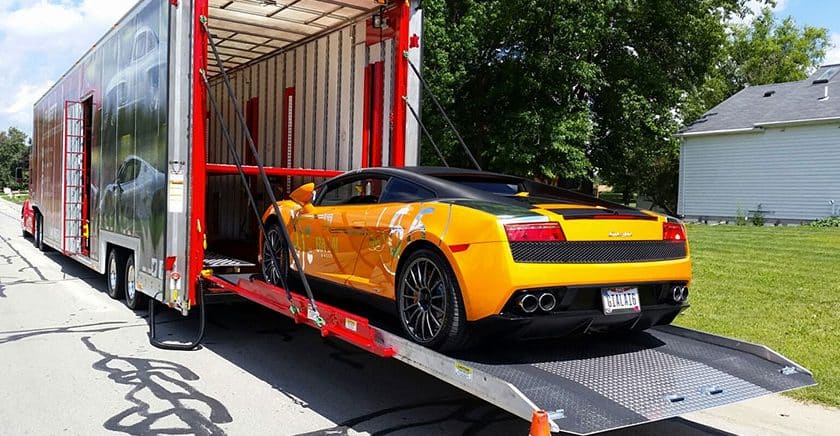
Enclosed Car Transport: A Protected Way to Move Your Vehicle
Enclosed Car Transport: A Protected Way to Move Your Vehicle
When a vehicle needs to be moved, the right transport option depends on its value, condition and destination. Enclosed car transport offers additional protection by carrying a vehicle inside a covered trailer or transporter, rather than leaving it exposed on an open carrier.
This service is often chosen for classic cars, prestige vehicles, motorsport cars and vehicles that need extra care. It can also suit owners who want greater protection from road debris and weather during transit.
What is enclosed car transport?
An enclosed car transporter is a vehicle-carrying trailer or truck with covered sides and a roof. The car is loaded inside and secured for the journey. Because it is shielded from the outside environment, it is less exposed to rain, dust, grit and other road conditions than a vehicle carried on an open transporter.
Enclosed transport is available in different formats, and the details can vary between providers. It is worth asking how the vehicle will be loaded, secured and protected before booking.
Benefits of enclosed transport
- Protection from the elements: A covered transporter helps shield a vehicle from rain, wind, dust and direct sunlight during transit.
- Reduced exposure to road debris: The enclosed space can offer an extra layer of protection from loose stones and other material kicked up on the road.
- Added privacy: The vehicle is kept out of public view while it is being transported.
- Suitable for specialist vehicles: Owners may choose enclosed transport for classic, collectible, luxury or competition vehicles that require careful handling.
- Peace of mind: For some owners, the added protection is worth considering when a vehicle has particular financial or personal value.
When should you consider an enclosed car transporter?
Enclosed transport may be a suitable option if your car has a delicate finish, is a restoration project, has a low ground clearance or is difficult to replace. It can also be considered for vehicles travelling to or from an event, auction, specialist workshop or private collection.
For everyday vehicles, open transport may be a practical alternative. The best choice depends on the car, the journey and your priorities. Comparing both options can help you decide whether the extra protection of an enclosed transporter is appropriate.
How to prepare your car for transport
A few simple steps can help make the collection and delivery process smoother:
- Remove personal belongings and loose items from the vehicle.
- Check the fuel level and follow the transport provider’s guidance.
- Make sure the car is accessible and advise the provider about any restricted access or unusual loading requirements.
- Photograph the vehicle before collection, noting any existing marks or damage.
- Tell the transporter about modifications, low ground clearance, mechanical issues or special handling needs.
Choosing an enclosed car transport service
Before booking, ask what type of transporter will be used and how the car will be loaded and secured. Check what insurance applies during transit, what information the provider needs, and whether collection and delivery arrangements suit your schedule. It is also helpful to confirm the quoted price, any additional charges and how updates will be provided during the journey.
Clear communication is particularly important when transporting a valuable or specialist vehicle. Providing accurate details about the car and its condition allows the provider to assess the job and plan the right approach.
Is enclosed car transport right for you?
Enclosed car transport provides a covered option for moving vehicles that may benefit from extra protection. It is not essential for every journey, but it can be a reassuring choice for owners of classic, prestige or otherwise valuable cars. Consider the vehicle’s needs, the route and your budget, then discuss the available options with a transport provider before making a decision.
Essential Safety Tips for Enclosed Car Use: Ensuring a Secure and Comfortable Journey
- Never run the engine in an enclosed garage.
- Keep children and pets out of parked cars.
- Ventilate the cabin before setting off.
- Wear a seat belt on every journey.
- Keep loose objects secured.
- Take breaks on long drives.
- Check the cabin for hazards before driving.
- Never leave valuables visible inside.
Never run the engine in an enclosed garage.
Never run a car’s engine in an enclosed garage, even with the door partly open. Exhaust fumes contain carbon monoxide, a poisonous gas that can build up quickly and has no smell or colour. Start and run the engine outdoors, well away from doors, windows and other openings, and move the vehicle into the garage only once it is switched off.
Keep children and pets out of parked cars.
Never leave children or pets unattended in a parked car, even for a short time or with the windows slightly open. The temperature inside a vehicle can rise quickly, creating a serious risk of heatstroke, dehydration or worse. Take children and pets with you whenever you leave the car, and make sure the vehicle is secure before walking away.
Ventilate the cabin before setting off.
Before setting off, ventilate the cabin by opening the doors or windows for a few minutes. This helps clear stale air and lingering odours, making the interior more comfortable for your journey. If the car has been stored in an enclosed space, check that the area is safe and well ventilated before starting the engine.
Wear a seat belt on every journey.
Always wear a seat belt on every journey, however short the trip may be. Make sure it is fastened securely before setting off and that it sits correctly across your shoulder and hips. Seat belts help protect you in the event of a collision, so check that every passenger is wearing theirs too.
Keep loose objects secured.
Before your car is collected, remove or secure any loose objects inside the vehicle. Items left on seats, in footwells or in the boot can shift during loading and transit, potentially causing damage to the interior or other belongings. Check door pockets and storage compartments too, and take valuables with you.
Take breaks on long drives.
When driving an enclosed car transporter over a long distance, plan regular breaks to stay alert and comfortable. Stop somewhere safe to rest, stretch and have a drink, and use the opportunity to check that the vehicle and load remain secure. Never continue driving if tired—taking a break can help make the journey safer for you and your vehicle.
Check the cabin for hazards before driving.
Before driving an enclosed car, check the cabin for hazards that could distract you or affect your safety. Make sure loose items are secured, the driver’s seat and mirrors are correctly adjusted, and the windows and windscreen are clear. Check that warning lights, controls and seat belts are working properly, and remove anything that could obstruct the pedals or your view.
Never leave valuables visible inside.
Before your car is collected, remove valuables or store them securely out of sight. Items left visible can attract unwanted attention, while personal belongings may not be covered by the transporter’s insurance. Check the vehicle carefully, including the glove compartment and boot, and confirm the provider’s policy on items left inside.