
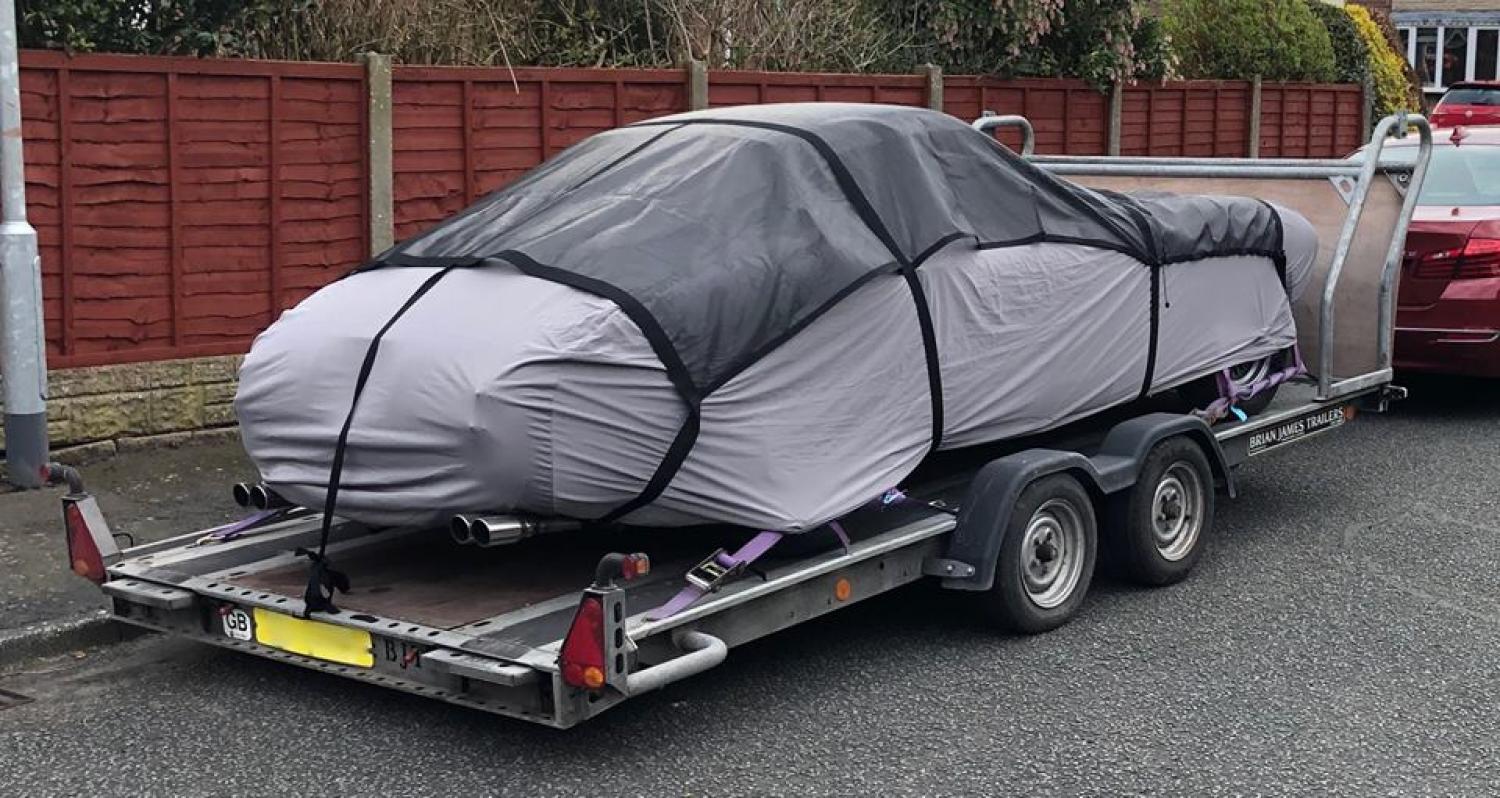
Covered in a Car Transporter: Benefits and What to Expect
Covered Car Transporter: A Safer Way to Move Your Vehicle
When arranging vehicle transport, one of the first decisions is whether to use an open transporter or a covered car transporter. Both options can move a vehicle from one location to another, but a covered transporter offers an enclosed environment that helps shield the vehicle from weather and road debris during the journey.
What is a covered car transporter?
A covered car transporter is a vehicle carrier with an enclosed or protective covering. Unlike an open transporter, where vehicles are exposed to the elements, a covered transporter keeps them out of direct rain, wind and sunlight while they are being moved.
Availability and the level of protection can vary. Some transporters are fully enclosed, while others use covers or partial enclosures. It is worth checking exactly what is included before booking.
Benefits of covered car transport
- Protection from the weather: Rain, road spray, strong sunlight and other conditions are less likely to affect a vehicle in transit.
- Reduced exposure to road debris: An enclosure can help protect the vehicle from dust, loose gravel and other debris thrown up during travel.
- Greater privacy: Keeping a vehicle out of sight can be useful when transporting a valuable, rare or newly purchased car.
- Suitable for vehicles needing extra care: Owners of classic, prestige, sports or restored vehicles may prefer the additional protection of an enclosed transporter.
Covered transport does not remove every risk. Vehicles still need to be loaded, secured and unloaded carefully, and the service provider should explain how they protect cars throughout the process.
Who might choose a covered transporter?
A covered car transporter may be a good choice if a vehicle has a delicate finish, significant value or particular restoration work that the owner wants to protect. It can also suit anyone who wants additional peace of mind when moving a car over a long distance or in poor weather.
For everyday vehicles, an open transporter may be a practical option. The right choice depends on the vehicle, journey, budget and level of protection required.
What to check before booking
Before arranging transport, ask the provider a few straightforward questions:
- Is the transporter fully enclosed or only partially covered?
- How will the vehicle be loaded and secured?
- What insurance applies during collection, transit and delivery?
- Are there any vehicle size, height or condition restrictions?
- What are the collection and delivery arrangements?
It is also sensible to take photographs of the vehicle before collection and make a note of any existing marks or damage. Tell the transporter about modifications, low ground clearance or any mechanical issues that could affect loading.
Covered or open transport?
The main advantage of covered transport is the additional protection from exposure during the journey. However, it may cost more than open transport, and enclosed carriers may have less availability or different vehicle-size limits. Open transport is often suitable for standard vehicles, while a covered option can be worth considering when protection is a higher priority.
When comparing quotes, check that each service includes the same collection and delivery arrangements, insurance information and level of cover. The cheapest option may not provide the protection or service you need.
Choosing the right car transport service
A covered car transporter can help keep a vehicle protected from the elements while it is being moved. To choose the right service, consider the car’s value and condition, the distance involved and your budget. A reliable provider should be happy to explain how the vehicle will be handled and what protection is included, so you can make an informed decision before booking.
Frequently Asked Questions About Covered Car Transporters: Protecting Your Vehicle During Transit
- What is a covered car transporter?
- How does a covered car transporter protect my vehicle?
- Which types of vehicles are best suited to covered transport?
- Is covered car transport more expensive than open transport?
- Does covered car transport include insurance?
- How should I prepare my vehicle for covered transport?
- How long does it take to transport a car using a covered transporter?
What is a covered car transporter?
A covered car transporter is a vehicle carrier with an enclosed or protective covering that helps shield cars from rain, wind, sunlight and road debris during transit. Unlike an open transporter, it keeps vehicles out of direct exposure to the elements. The exact level of protection varies, so check with the transport provider whether the carrier is fully enclosed or partially covered.
How does a covered car transporter protect my vehicle?
A covered car transporter protects your vehicle by keeping it inside an enclosed or sheltered space during transit, helping shield it from rain, wind, road spray, dust and loose debris. It also keeps the vehicle out of direct sunlight and away from public view. The level of protection depends on the transporter, so check whether it is fully enclosed and ask how the car will be secured, loaded and unloaded.
Which types of vehicles are best suited to covered transport?
Covered transport is particularly well suited to classic, prestige, sports, luxury and newly restored cars, as well as vehicles with delicate paintwork or a high market or sentimental value. The enclosed carrier helps shield them from weather and road debris during transit. It can also be a good option for vehicles that need extra care, although the transporter should confirm that the car’s size, condition and ground clearance are suitable.
Is covered car transport more expensive than open transport?
Yes, covered car transport is generally more expensive than open transport because it offers extra protection from weather and road debris, and enclosed transporters may have higher operating costs. The exact price depends on factors such as the vehicle, distance, collection and delivery arrangements, and availability. For standard vehicles, open transport may be a more economical choice, while covered transport can be worth considering for classic, prestige or otherwise delicate cars.
Does covered car transport include insurance?
Covered car transport does not automatically mean that insurance is included, so check the provider’s terms before booking. Ask whether the vehicle is insured while being loaded, transported and unloaded, and confirm the level of cover, any excess and any exclusions. It is also sensible to check whether the policy covers the vehicle’s full value and whether you need to arrange additional insurance.
How should I prepare my vehicle for covered transport?
Before covered transport, remove personal belongings and any loose accessories, and make sure the vehicle is clean enough for a pre-transport condition check. Photograph its exterior and interior, note any existing damage, and tell the transport provider about modifications, low ground clearance or mechanical issues that could affect loading. Check the provider’s instructions on fuel level, keys and alarm systems, and ensure the vehicle is accessible for collection. Although an enclosed transporter helps protect your car from the weather and road debris, it should still be secured and documented carefully before the journey.
How long does it take to transport a car using a covered transporter?
The time it takes to transport a car using a covered transporter depends on the distance, route, collection and delivery arrangements, and the transporter’s schedule. Shorter journeys may take a day, while longer or cross-country trips can take several days. Because covered transporters may operate to specific schedules, it is best to ask the provider for an estimated collection and delivery window when booking.