
How to Choose the Best Transport Vehicle for Your Needs
How to Choose the Best Transport Vehicle
The best transport vehicle depends on what needs to be moved, how far it must travel and the conditions it will face along the way. A vehicle that works well for delivering parcels around town may not be suitable for carrying heavy equipment or transporting a car over a long distance. Choosing the right option can help make a journey safer, more practical and more efficient.
Start with the load
Before comparing vehicles, consider the size, weight and type of load. A few boxes may fit comfortably in a car or small van, while bulky furniture, building materials or commercial stock may need a larger van or lorry. For a vehicle that cannot be driven to its destination, a purpose-built car transporter may be the most appropriate choice.
It is important to check the vehicle’s permitted payload as well as the space available. Payload is the weight a vehicle can carry, including its load and any passengers. Overloading can be unsafe and may breach legal requirements, so the total weight should always remain within the vehicle’s limits.
Common types of transport vehicle
Cars
A car can be a convenient choice for small, light items or personal belongings. It is easy to manoeuvre and well suited to everyday journeys, but its limited boot space makes it unsuitable for larger loads.
Small and medium vans
Vans offer a useful balance of capacity and manoeuvrability. They are commonly used for local deliveries, household moves and tradespeople’s equipment. The right size depends on the load: a larger van provides more room, but may be harder to park and may have higher running costs.
Lorries
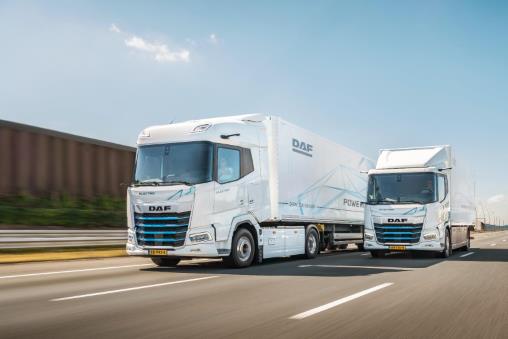
For large or heavy loads, a lorry may be the most suitable option. Different body types are designed for different purposes, such as carrying palletised goods, machinery or materials. The vehicle must be matched to the load, route and access available at collection and delivery points.
Car transporters
Car transporters are designed to move vehicles safely. Depending on the job, a vehicle may be carried on a trailer or on a dedicated transporter. This can be a practical solution for cars that are not roadworthy, have been purchased at a distance or need to be moved without adding mileage. The vehicle’s dimensions, ground clearance and condition should be considered when arranging transport.
Think about the route and access
The best transport vehicle is not necessarily the largest one. Narrow streets, low bridges, restricted entrances and limited parking can all affect which vehicle can reach a collection or delivery address. For urban journeys, a smaller van may be easier to handle. Larger vehicles may be more efficient for substantial loads, provided the route and access points are suitable.
Journey distance also matters. For longer trips, reliability, load security and suitability for motorway travel are important considerations. For local work, ease of loading, parking and frequent stops may matter more.
Consider safety and running costs
A suitable transport vehicle should be properly maintained and appropriate for the job. Loads need to be secured so they cannot shift during transit, and any vehicle used for commercial transport must meet the relevant legal and safety requirements. Drivers should also have the correct licence for the vehicle they operate.
Costs can include fuel, maintenance, insurance and any specialist equipment needed to load or secure the goods. Choosing a vehicle with far more capacity than required may be inefficient, while choosing one that is too small could mean extra journeys. Matching capacity to the job helps strike a sensible balance.
So, what is the best transport vehicle?
There is no single best transport vehicle for every situation. A car may suit a small personal load, a van can handle many everyday delivery and moving tasks, and a lorry is often better for large or heavy goods. When moving a car, a purpose-built transporter can provide the right equipment for the job.
To make the right choice, assess the load, check weight limits, consider the route and access, and think about the level of protection required. If the transport needs are specialised or the vehicle is not driveable, speaking to an experienced transport provider can help identify a suitable option.
Top Benefits of Choosing the Ideal Transport Vehicle for Your Needs
- Matches the vehicle to the size and weight of the load.
- Helps keep goods secure during transit.
- Can make journeys more efficient.
- Offers the right capacity for the job.
- Makes loading and unloading easier.
- Supports safer, more reliable transport.
Considerations When Choosing the Best Transport Vehicle: Load, Cost, and Safety Concerns
- The best option depends on the load and journey.
- Larger vehicles can be costly to run and park.
- The wrong vehicle may be unsafe or inefficient.
Matches the vehicle to the size and weight of the load.
Choosing the best transport vehicle means matching its capacity to the size and weight of the load. This helps ensure there is enough space and payload for everything to be carried safely, without overloading the vehicle or paying for capacity that is not needed. A well-matched vehicle can also make loading, securing and transporting goods more efficient.
Helps keep goods secure during transit.
The best transport vehicle helps keep goods secure throughout the journey. A suitable size and design allow items to be loaded properly, while features such as enclosed compartments, secure doors and reliable tie-down points can reduce the risk of movement, damage or loss in transit. Choosing a vehicle that matches the load also makes it easier to protect goods from weather and handling.
Can make journeys more efficient.
Choosing the best transport vehicle can make journeys more efficient by matching the vehicle’s capacity and capabilities to the load, route and distance. The right choice can reduce unnecessary trips, save time and fuel, and make loading and unloading more straightforward. For example, a suitably sized van can carry a delivery in one journey, while a dedicated car transporter can move a vehicle without adding mileage or requiring it to be roadworthy.
Offers the right capacity for the job.
Choosing the best transport vehicle means having the right capacity for the job. A vehicle that is too small may require several trips, while one that is unnecessarily large can be harder to manoeuvre and less cost-effective. Matching the vehicle’s load space and payload to the size and weight of the goods helps make transport more practical, efficient and safe.
Makes loading and unloading easier.
The best transport vehicle makes loading and unloading easier by providing suitable access, enough space and practical features for the items being moved. A low loading height, wide doors, a tail lift or secure ramps can reduce the effort involved and help minimise the risk of damage or injury. Choosing a vehicle that matches the size and weight of the load can also make the whole process quicker and more straightforward.
Supports safer, more reliable transport.
Choosing the best transport vehicle for the load and journey supports safer, more reliable transport. The right vehicle can carry goods within its weight limits, keep them secure and handle the route more effectively, helping to reduce the risk of damage, delays and avoidable problems along the way.
The best option depends on the load and journey.
One drawback of choosing the best transport vehicle is that there is no single option that suits every job. The right choice depends on the load’s size and weight, the distance to be travelled, and factors such as road conditions and access at collection and delivery points. This can make planning more time-consuming, as choosing a vehicle that is too small may mean extra journeys, while one that is too large could add unnecessary costs.
Larger vehicles can be costly to run and park.
Larger transport vehicles can be costly to run and park. They generally use more fuel than smaller vehicles, and maintenance, insurance and other operating costs may also be higher. Their size can make parking more difficult, particularly in busy towns or on narrow streets, sometimes adding time and expense to a journey.
The wrong vehicle may be unsafe or inefficient.
Choosing the wrong transport vehicle can make a journey both unsafe and inefficient. A vehicle that is too small may be overloaded or require several trips, while one that is too large can be difficult to manoeuvre and costly to run. If the vehicle is not suited to the load or route, goods may also be harder to secure, increasing the risk of damage. Matching the vehicle to the weight and size of the load, journey distance and access conditions helps avoid unnecessary risks and delays.