
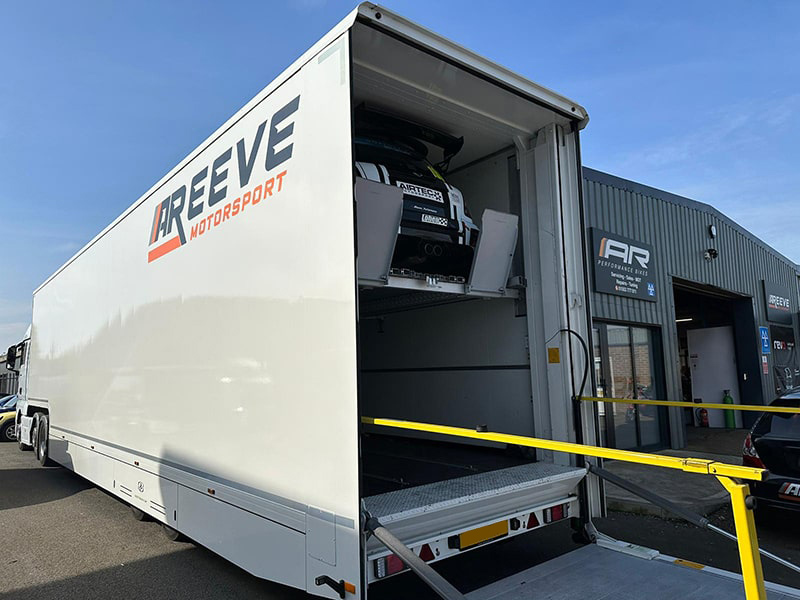
Enclosed Vehicle Transport Companies: How to Choose the Right Service for Your Car
Enclosed Vehicle Transport Companies: What to Know Before You Book
Enclosed vehicle transport companies move cars inside a covered trailer or specialist transporter, protecting them from the weather, road debris and much of the exposure associated with open transport. This option is often chosen for classic, prestige, performance or newly restored vehicles, as well as cars that need extra care during transit.
Whether you are moving a vehicle across the UK or arranging transport to or from another country, understanding how enclosed transport works can help you decide whether it is right for your car.
What is enclosed vehicle transport?
With enclosed transport, the vehicle is carried inside a covered unit rather than on an open trailer. Depending on the operator and vehicle, it may be loaded using ramps, a hydraulic lift or specialist equipment. The car is then secured for the journey, usually with appropriate restraints designed to reduce movement during transit.
Enclosed transport is not the same as a fully climate-controlled service. If temperature or humidity control is important, ask the company whether this is available and included in the quote.
Why choose enclosed transport?
- Protection from the elements: A covered trailer shields the vehicle from rain, wind, dust and direct sunlight during the journey.
- Reduced exposure to road debris: The enclosed space helps protect the car from loose stones and other material thrown up by traffic.
- Added discretion: The vehicle is less visible while in transit, which may be useful when transporting a valuable or distinctive car.
- Careful handling: Specialist operators may have experience loading and securing low-clearance, classic or high-value vehicles.
- Suitable for particular vehicles: Enclosed transport can be a sensible choice for restored cars, show vehicles, motorsport cars and vehicles with delicate finishes.
Although enclosed transport offers additional protection, no transport service can remove every risk. Check the company’s insurance terms and ask how damage or delays are handled.
How to choose an enclosed vehicle transport company
Not all transport providers offer the same equipment, service or level of cover. Before booking, consider the following:
- Experience and suitability: Ask whether the company has transported vehicles similar to yours, particularly if the car is unusually large, low, valuable or non-running.
- Insurance: Confirm what cover applies while the vehicle is being loaded, transported and unloaded. Ask about limits, exclusions and any excess, and check whether your own policy requires notification.
- Equipment: Find out how the vehicle will be loaded and secured. If it has low ground clearance, modified suspension or limited mobility, explain this before receiving a quote.
- Collection and delivery: Check whether the service is door-to-door or requires access to a depot. Large transporters may not be able to reach every street or driveway.
- Communication: A reliable provider should explain the process, give clear booking information and tell you how updates will be provided.
- Written terms: Read the quotation and booking conditions carefully. Make sure the vehicle details, route, dates and agreed service are recorded accurately.
- Customer feedback: Reviews can offer useful insight, but consider their detail and consistency rather than relying on a single rating.
What affects the cost?
Enclosed vehicle transport generally costs more than open transport because covered transporters have limited capacity and may involve specialist equipment or handling. The final price can depend on:
- the distance and route;
- the vehicle’s size, weight and condition;
- whether the vehicle runs and can be driven onto the transporter;
- collection and delivery access;
- the timing and flexibility of the booking;
- the level of insurance or any additional services requested.
When comparing quotes, check that each provider is pricing the same service. A lower price may not include the same level of cover, collection arrangements or specialist handling.
Preparing your vehicle for transport
Before collection, agree with the transport company what preparation is required. In most cases, it is helpful to:
- remove personal belongings and loose items;
- leave only the agreed amount of fuel, if the car is running;
- make sure the alarm and immobiliser arrangements are understood;
- tell the operator about leaks, mechanical faults or loading difficulties;
- photograph the vehicle from several angles and note any existing damage;
- have keys, access details and relevant paperwork ready.
For a non-running vehicle, provide accurate information about its condition, steering, brakes and wheels. The transporter may need specific equipment, and some vehicles may not be suitable for every service.
Questions to ask before booking
A few straightforward questions can help avoid uncertainty:
- Will my vehicle travel inside an enclosed transporter for the whole journey?
- What insurance applies, and what are its limits and exclusions?
- How will the car be loaded and secured?
- Can you accommodate the vehicle’s dimensions and ground clearance?
- Is collection and delivery at my address possible?
- What happens if there is a delay or a change to the collection date?
- Are there any additional charges?
Is enclosed transport right for your vehicle?
Enclosed vehicle transport can be a worthwhile option when protection, discretion or specialist handling is a priority. It is particularly relevant for valuable, rare or delicate vehicles, but the best choice depends on the car, the route, your budget and the level of protection you need.
Compare providers carefully, check the written terms and explain your vehicle’s requirements before booking. A clear conversation in advance can help ensure the transport company has the right equipment and arrangements for the job.
Top 7 FAQs About Enclosed Vehicle Transport Companies in the UK
- How much do you get paid for transporting cars?
- How much does vehicle cargo cost?
- What is an enclosed vehicle?
- What is the best enclosed car transport company?
- What vehicle transports goods?
- How much do car transporters cost?
- What are the best car transport companies in the UK?
How much do you get paid for transporting cars?
Payment for transporting cars varies depending on the distance, vehicle size and condition, route, type of transporter and whether the job is part of a larger load. Enclosed vehicle transport may pay more than open transport because it requires specialist equipment and offers added protection, but operating costs can also be higher. If you are considering the work, ask the transport company how rates are calculated and whether fuel, insurance, loading time and other expenses are included.
How much does vehicle cargo cost?
The cost of vehicle transport depends on factors such as the distance, vehicle size and condition, collection and delivery locations, timing, and whether you choose enclosed transport. Enclosed transport often costs more than open transport because it offers additional protection and has limited space. For an accurate quote, provide the company with your vehicle details, route and preferred dates, and check what the price includes, such as insurance, collection and delivery fees.
What is an enclosed vehicle?
An enclosed vehicle is a car or other vehicle transported inside a covered trailer or transporter, rather than on an open carrier. This helps shield it from rain, wind, dust and road debris during the journey. Enclosed transport is often chosen for classic, prestige, high-value or delicate vehicles that need extra protection while being moved.
What is the best enclosed car transport company?
The best enclosed car transport company is one with experience handling vehicles like yours, suitable equipment and clear insurance cover for the full journey. Compare written quotes, check recent customer reviews and ask how the vehicle will be loaded, secured and protected. The right choice should also communicate clearly about collection, delivery, delays and any extra charges, so you can choose a service that suits your vehicle, route and budget.
What vehicle transports goods?
Goods are transported by goods vehicles such as vans, lorries and specialist trailers. For enclosed vehicle transport, a car is usually carried inside a covered transporter designed to protect it from weather and road debris during the journey.
How much do car transporters cost?
Car transporter costs vary depending on the distance, vehicle size and condition, collection and delivery locations, timing and type of service. Enclosed transport usually costs more than open transport because it offers additional protection and has more limited capacity. To get an accurate quote, provide the transporter with your vehicle’s details, whether it runs, and any access or loading requirements. Compare what each quote includes, particularly insurance, collection and delivery, and any additional charges.
What are the best car transport companies in the UK?
The best car transport company in the UK depends on your vehicle, route and budget. Look for a provider with relevant experience, suitable transport equipment, clear insurance details and strong, recent customer reviews. If you need enclosed transport, confirm that your car will remain inside a covered transporter for the full journey, and check collection arrangements, delivery times and any additional charges before booking. Compare written quotes on a like-for-like basis rather than choosing on price alone.