
Cost of Shipping a Car from Japan to the UK: A Complete Guide
How Much Does It Cost to Ship a Car from Japan to the UK?
Importing a car from Japan can be an attractive way to find a model that is rare or unavailable in the UK. The shipping charge is only part of the cost, however. Before buying, it is important to budget for transport in Japan, sea freight, insurance, UK port and customs fees, taxes and any work needed to register the vehicle.
As a broad guide, sea freight from Japan to the UK may cost around £1,000 to £3,000 or more. The final price depends on the vehicle, shipping method, route and time of year. This is an indicative range, not a guaranteed quote, and it does not include all import costs.
What affects the shipping price?
- Shipping method: Roll-on/roll-off (RoRo) is often the more economical option for a roadworthy vehicle. Container shipping usually costs more, but can offer additional protection and may suit non-running or valuable cars.
- Vehicle size and condition: Larger vehicles take up more space. A car that cannot be driven may need special handling or container transport.
- Collection and delivery: Moving the car from its location in Japan to the export port, and from the UK port to its final destination, adds to the total.
- Ports and schedules: The departure and arrival ports, available sailings and seasonal demand can all affect the quote.
- Insurance: Marine insurance is usually optional, but can protect against loss or damage during transit. Check what is covered and whether there are exclusions.
Typical costs to include in your budget
| Cost | What it covers |
|---|---|
| Japanese transport and export services | Moving the vehicle to port, export paperwork and services arranged by an exporter or agent. |
| Sea freight | Shipping the vehicle from Japan to a UK port, usually by RoRo or in a container. |
| Marine insurance | Cover for specified risks during the sea journey, if purchased. |
| UK port and handling charges | Unloading, storage, documentation and release fees. These vary by port and provider. |
| Customs duty and import VAT | Taxes due when the vehicle enters the UK, subject to the vehicle and the import circumstances. |
| UK preparation and registration | Any required inspections, modifications, MOT, registration and number plates. |
| UK delivery | Transport from the port to your home, garage or chosen destination. |
Customs duty and VAT
Import taxes can make a substantial difference to the total cost. For a standard passenger car, customs duty is commonly charged at 10%, and import VAT is commonly charged at 20%. The amount due depends on the customs value and the applicable rules. The value used for the calculation may include the vehicle price and relevant transport and insurance costs, and VAT is generally calculated on a value that includes customs duty.
Different rates or reliefs may apply in particular circumstances, such as qualifying transfers of residence or certain older vehicles. Eligibility depends on the details and HMRC’s rules, so do not assume a reduced rate applies. Check the current guidance on GOV.UK or speak to a customs specialist before committing to the purchase.
Other costs after the car reaches the UK
A Japanese-market vehicle may need work before it can be registered for UK roads. Depending on the model, this could include changes to the lighting, speedometer or rear fog lamp, as well as an MOT or an approval process such as Individual Vehicle Approval (IVA). Requirements vary, so check the vehicle’s eligibility and specifications before shipping it.
You should also allow for customs clearance, port storage if paperwork or collection is delayed, and delivery from the port. Ask the shipping provider which charges are included in its quote and which will be payable separately.
How long does shipping take?
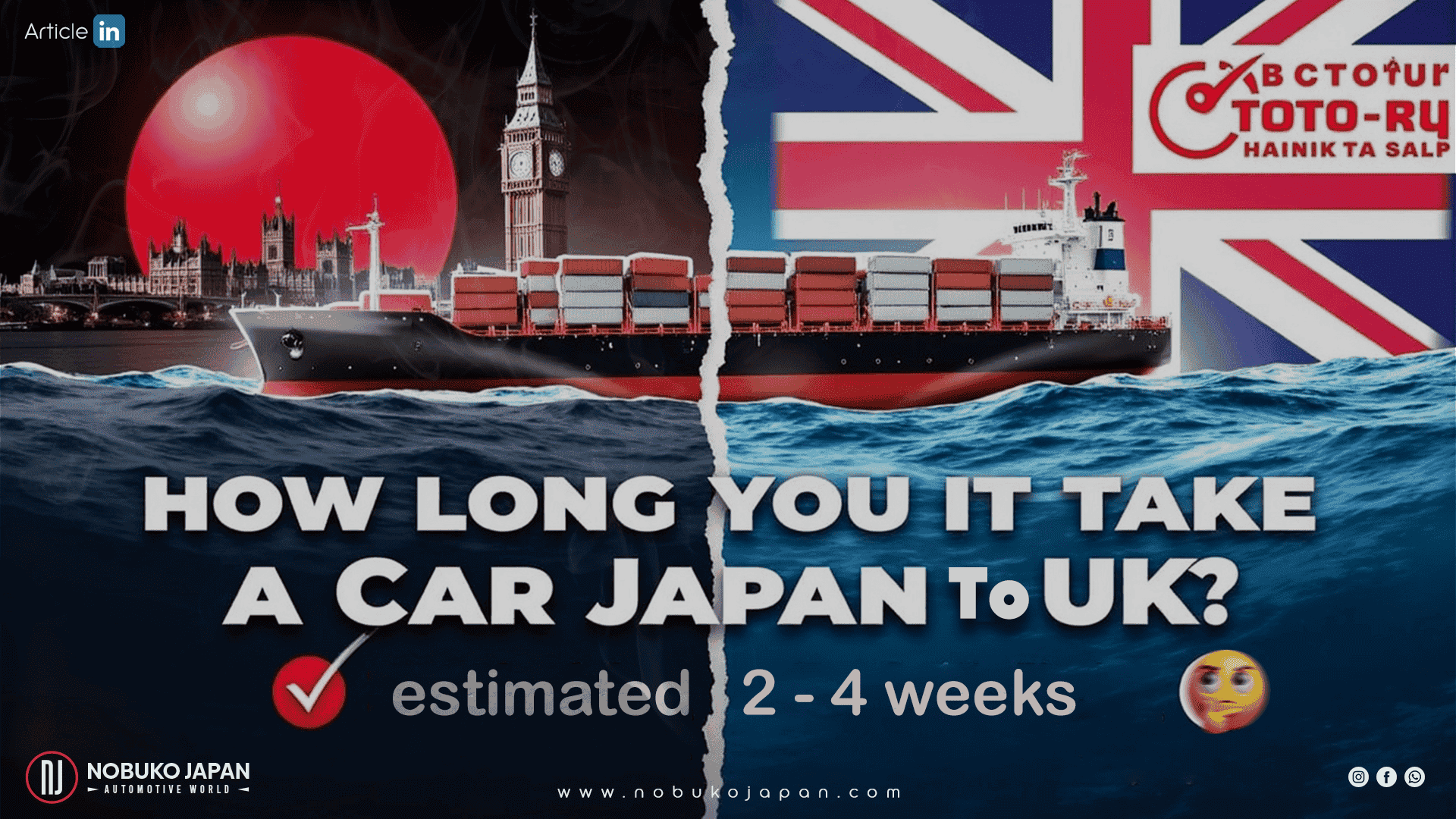
The sea journey may take several weeks, but the overall process is longer once collection in Japan, export formalities, vessel schedules, UK customs clearance and delivery are included. Delays can occur, so treat any estimated arrival date as provisional and confirm the latest schedule with your shipping provider.
How to get an accurate quote
To compare quotes fairly, provide the car’s make, model, year, dimensions, value, condition and collection location in Japan. Ask whether the price includes export handling, sea freight, insurance, UK port fees, customs clearance and delivery. Also confirm how long the quote is valid for and whether extra charges may apply.
For a realistic budget, calculate the full landed cost rather than looking at the freight price alone. This means adding the purchase price, transport and insurance, taxes, port and agent fees, UK delivery and any work required to register the car. Getting a written, itemised estimate before purchase can help prevent unexpected costs later.
Shipping a Car from Japan to the UK: Costs, Import Taxes and Registration FAQs
- How much is import tax from Japan on a car?
- How expensive is shipping from Japan?
- How much does it cost to ship a vehicle from Japan to the UK?
- How much would it cost to import a vehicle from Japan?
- How can I ship my car from Japan to the UK?
- How to register a Japanese car in the UK?
- Do I need to pay customs if I buy from Japan?
- Is it worth importing a car from Japan to the UK?
How much is import tax from Japan on a car?
Import tax on a car brought from Japan can include customs duty and UK import VAT. The standard customs duty for a passenger car is generally 10%, but a qualifying car of Japanese origin may be eligible for a reduced or zero tariff under the UK–Japan trade agreement if the rules of origin are met and the correct claim is made; simply shipping a car from Japan is not enough. Import VAT is usually 20% and is calculated on the customs value, which can include the car’s price, shipping and insurance, plus any duty due. Rates and reliefs depend on the vehicle and your circumstances, so check the latest HMRC guidance before importing.
How expensive is shipping from Japan?
Shipping a car from Japan to the UK typically costs around £1,000–£3,000 or more for sea freight, although the price depends on the car’s size and condition, the shipping method, the route and current availability. RoRo shipping is often the cheaper option for a roadworthy vehicle, while container shipping usually costs more. Remember that freight is only part of the total: Japanese collection and export fees, insurance, UK port charges, customs duty, VAT, delivery and any work needed for UK registration may all add to the cost. Request an itemised quote for an accurate estimate.
How much does it cost to ship a vehicle from Japan to the UK?
The cost of shipping a vehicle from Japan to the UK typically ranges from around £1,000 to £3,000 or more for sea freight, depending on the vehicle’s size and condition, the shipping method and the route. Roll-on/roll-off shipping is often the more economical option, while container transport may cost more. This is only the freight charge: Japanese export services, insurance, UK port fees, customs duty, import VAT, delivery and any work needed to register the vehicle may add to the total. For an accurate estimate, request an itemised quote based on your vehicle and its collection and delivery locations.
How much would it cost to import a vehicle from Japan?
The cost of importing a vehicle from Japan depends on its purchase price, size, condition, shipping method and destination in the UK. As a rough guide, sea freight may cost around £1,000–£3,000 or more, but this is only part of the total. You should also budget for transport and export fees in Japan, insurance, UK port and customs charges, any applicable import duty and VAT, delivery, and work needed to meet UK requirements and register the vehicle. Ask for an itemised quote and check the current customs rules before purchasing.
How can I ship my car from Japan to the UK?
To ship a car from Japan to the UK, arrange export and sea freight through a vehicle-shipping company or Japanese exporter. You’ll usually choose between roll-on/roll-off (RoRo), which is often the more economical option for a roadworthy car, and container shipping, which may suit non-running or valuable vehicles. Provide the car’s details and collection location to get an itemised quote, and check what it includes, such as Japanese transport, export paperwork, insurance, UK port charges and delivery. Before booking, also confirm the UK customs, tax and registration requirements, as these costs are usually separate from the shipping price.
How to register a Japanese car in the UK?
To register a Japanese car in the UK, first notify HMRC through its Notification of Vehicle Arrivals (NOVA) service, usually within 14 days of the vehicle arriving, and pay any import duty and VAT due; DVLA cannot register it until HMRC has processed the notification. The car may also need modifications to meet UK road requirements—such as changes to its headlights or rear fog lamp—and vehicle approval, for example an Individual Vehicle Approval (IVA), depending on its age and specification. Once any required approval and MOT are in place, apply to DVLA using form V55/5 with the supporting ownership and import documents, pay the registration fee and vehicle tax, and arrange insurance before driving it on public roads. Check the latest requirements with GOV.UK, as the process can vary by vehicle.
Do I need to pay customs if I buy from Japan?
Yes. When you import a car from Japan into the UK, you’ll generally need to declare it to HMRC and may have to pay customs duty and import VAT before it can be released. The amount depends on factors such as the car’s value, shipping and insurance costs, and your circumstances; some exemptions or reliefs may apply if you meet specific conditions. Check the latest guidance on GOV.UK or speak to a customs specialist, and include any potential taxes and clearance fees in your budget.
Is it worth importing a car from Japan to the UK?
Importing a car from Japan can be worthwhile if the model is difficult to find in the UK, offers good value, or has features you particularly want. However, compare the purchase price with the full landed cost, including shipping, insurance, import duty and VAT, port and customs fees, UK delivery, and any modifications or inspections needed for registration. Check the car’s history, condition and compliance requirements before buying, and get an itemised shipping quote. If the total cost and time involved still make sense compared with buying locally, importing may be a good option.