
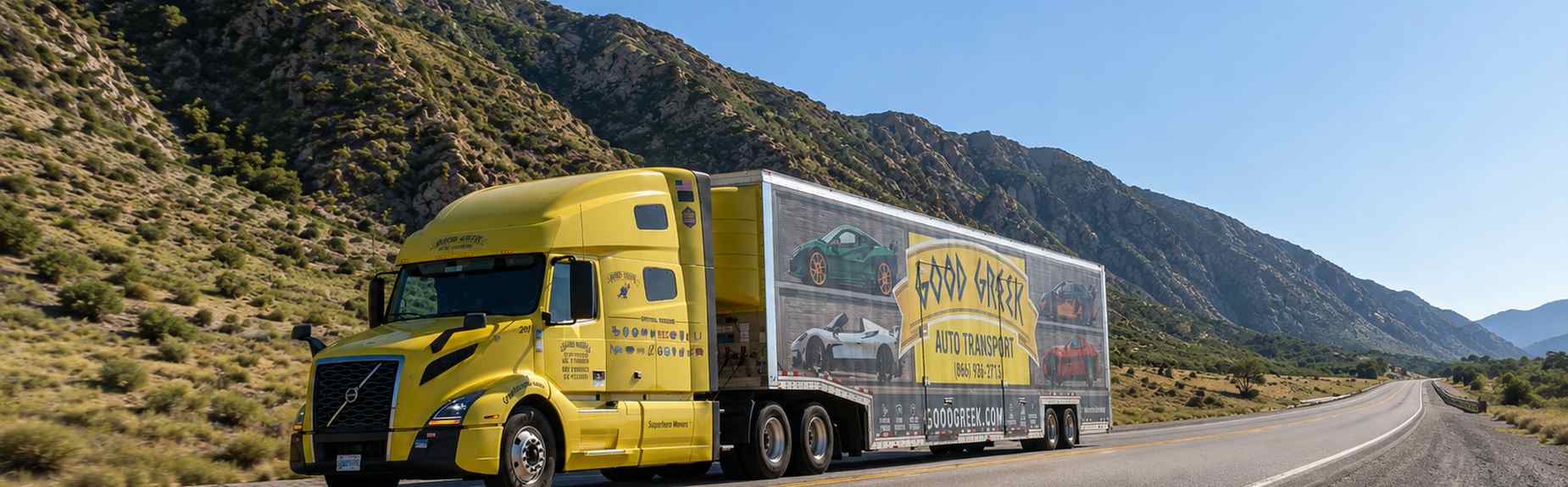
Cross Country Vehicle Transport: A Practical Guide to Moving Your Vehicle Safely
Cross-Country Vehicle Transport: A Practical Guide
Moving a vehicle across the country can be a lengthy and tiring journey. Whether you are relocating, buying a car from another part of the UK, managing a fleet or arranging a vehicle delivery, cross-country vehicle transport can save time and help avoid adding unnecessary miles to the car.
With a professional transport service, your vehicle is collected and taken to an agreed destination by road. Understanding how the process works can help you choose the right option and prepare for a smooth collection and delivery.
What is cross-country vehicle transport?
Cross-country vehicle transport is the movement of a vehicle between locations that are a considerable distance apart. In the UK, this might mean a journey between Scotland and southern England, Wales and the East Midlands, or any other long-distance route.
Depending on the vehicle, route and provider, transport may be carried out using a car transporter or by driving the vehicle to its destination. The most suitable method will depend on factors such as whether the vehicle is roadworthy, the distance involved and your budget.
Common transport options
Vehicle transporter
A transporter carries the vehicle rather than adding mileage to it. This can be a suitable choice for new, valuable, classic or non-running vehicles, as well as for customers who would prefer not to have their car driven over a long distance. The vehicle’s condition and access at both collection and delivery points may affect what equipment can be used.
Driven delivery
For a roadworthy vehicle, a driver may be able to deliver it by road. This can offer flexibility, but it will add mileage and involves the vehicle being used on the journey. Before choosing this option, check what insurance arrangements apply and confirm who is responsible for the vehicle during transit.
How the process usually works
- Request a quotation. Provide the collection and delivery postcodes, vehicle details, preferred dates and any relevant information about its condition.
- Agree the arrangements. Confirm the transport method, price, collection window, delivery expectations and any requirements for access or vehicle preparation.
- Prepare the vehicle. Remove personal belongings and make sure the vehicle is accessible. If it is not running, disclose this before the booking is confirmed.
- Record its condition. Note any existing damage and take dated photographs before collection. A handover record can help both parties confirm the vehicle’s condition.
- Arrange collection and delivery. Keep your phone available and make sure someone can provide access at the agreed locations.
What can affect the cost?
The price of cross-country vehicle transport varies according to the details of the job. Factors may include the distance, vehicle size and weight, collection and delivery locations, timing, transport method and whether the vehicle can be driven or loaded under its own power.
Access can also matter. Narrow roads, restricted entrances, low bridges or limited space for a large transporter may require a nearby meeting point or a different arrangement. Providing accurate information when requesting a quotation helps reduce the likelihood of delays or unexpected costs.
Preparing your vehicle for transport
- Remove personal items and loose accessories.
- Make sure the vehicle’s condition and any mechanical issues have been disclosed.
- Leave only the agreed amount of fuel in the vehicle, if applicable to the transport method.
- Check that alarms, immobilisers and other security systems can be managed during collection.
- Take photographs of the vehicle before handover, including existing marks or damage.
- Keep keys, documents and any instructions ready, but hand over only what has been agreed.
Choosing a vehicle transport provider
Before booking, ask how the vehicle will be moved and what is included in the quotation. Check the provider’s insurance arrangements, how condition is recorded at handover and how updates will be shared during the journey. It is also sensible to confirm the expected collection and delivery windows, cancellation terms and any requirements for non-running vehicles.
A clear quotation and straightforward communication are useful indicators of a well-organised service. Do not hesitate to ask questions if any part of the process is unclear.
Plan ahead for a smoother journey
Cross-country vehicle transport can make a long-distance move more convenient, whether the car is being delivered to a new home, a buyer or another location. By sharing accurate vehicle and access details, preparing for handover and confirming the arrangements in advance, you can help make the transport process simpler from collection through to delivery.
Cross-Country Vehicle Transport in the UK: 7 Frequently Asked Questions
- How much does cross-country vehicle transport cost in the UK?
- How long does cross-country vehicle transport usually take?
- Can I transport a vehicle that is not running?
- Is my vehicle insured while it is being transported?
- Should I choose a vehicle transporter or a driven delivery service?
- How should I prepare my vehicle for cross-country transport?
- What information do I need to get a vehicle transport quote?
How much does cross-country vehicle transport cost in the UK?
The cost of cross-country vehicle transport in the UK depends on the distance, vehicle size and condition, collection and delivery locations, transport method and timing. Non-running vehicles or locations with difficult access may require specialist arrangements and affect the price. For an accurate quote, provide the vehicle details, both postcodes and your preferred dates, and check what is included, such as insurance and collection or delivery fees.
How long does cross-country vehicle transport usually take?
Cross-country vehicle transport in the UK usually takes between one and three days, depending on the distance, route, traffic and collection and delivery arrangements. The timing can also vary according to the transport method and whether your vehicle is being moved as part of a larger load. Your transport provider should give you an estimated collection and delivery window when you book, and keep you updated if plans change.
Can I transport a vehicle that is not running?
Yes, a vehicle that is not running can often be transported, but it’s important to mention this when requesting a quote. The transport provider may need specialist equipment, such as a winch, and will need to know whether the vehicle can steer, roll and brake. Share any known mechanical issues and check that there is suitable access for loading at both collection and delivery locations.
Is my vehicle insured while it is being transported?
Your vehicle may be covered by the transporter’s insurance while it is in their care, but cover varies between providers and policies. Before booking, ask for confirmation of the insurance in place, including its limits, any excess and relevant exclusions, and check whether your own policy offers additional protection. It is also sensible to photograph the vehicle and note any existing damage before collection.
Should I choose a vehicle transporter or a driven delivery service?
Choose a vehicle transporter if you want to avoid adding mileage or your vehicle is valuable, classic or not roadworthy. A driven delivery service may suit a roadworthy vehicle when flexibility is important, but it will add miles and put the car on the road for the journey. Before booking, compare costs, timings and insurance arrangements, and check which option best suits your vehicle and needs.
How should I prepare my vehicle for cross-country transport?
To prepare your vehicle for cross-country transport, remove personal belongings and loose items, and make sure the transporter has clear access to it. Tell the provider in advance about any mechanical issues, damage, modifications or difficulties starting, steering or braking the vehicle. Take dated photographs of its condition before collection, check the agreed fuel requirements and make sure alarms or immobilisers can be managed. Keep the keys ready and confirm any specific preparation instructions with your transport provider before collection.
What information do I need to get a vehicle transport quote?
To get an accurate quote for cross-country vehicle transport, provide the vehicle’s make, model and approximate size, along with the collection and delivery postcodes and your preferred dates. Let the transport provider know whether the vehicle is roadworthy and can be driven, or if it has any mechanical issues, and mention access restrictions at either location, such as narrow roads or limited space for a transporter. It is also helpful to explain any special requirements, such as a non-running vehicle or a particularly tight delivery window.