
Cost to Transport a Car Across the Country: What to Expect in the UK
How Much Does It Cost to Transport a Car Across the Country?
The cost to transport a car across the UK depends on the distance, the type of vehicle and the transport service you choose. As a general guide, moving a standard, roadworthy car several hundred miles on an open transporter may cost around £300 to £700. Longer routes, specialist vehicles or more flexible arrangements can change the price considerably.
These figures are indicative rather than fixed quotes. Transport prices vary with availability, collection and delivery locations, vehicle condition and timing. The best way to get an accurate cost is to provide the transport company with the details of your journey and vehicle.
What affects the cost of car transport?
Distance and route
Longer journeys generally cost more because they involve greater fuel, driver and vehicle costs. However, the price does not always rise in direct proportion to the distance. A route between major towns may be easier to organise than a shorter journey to a remote or difficult-to-access location.
Vehicle size and weight
Larger or heavier vehicles, such as vans and some 4x4s, can take up more space and add weight to a transporter. This may increase the cost compared with moving a small car.
Vehicle condition
A car that runs, steers and brakes normally is usually easier to load and unload. If the vehicle is not running, has damaged wheels or cannot be moved safely, specialist equipment may be needed. Tell the transport company about any issues when requesting a quote.
Open or enclosed transport
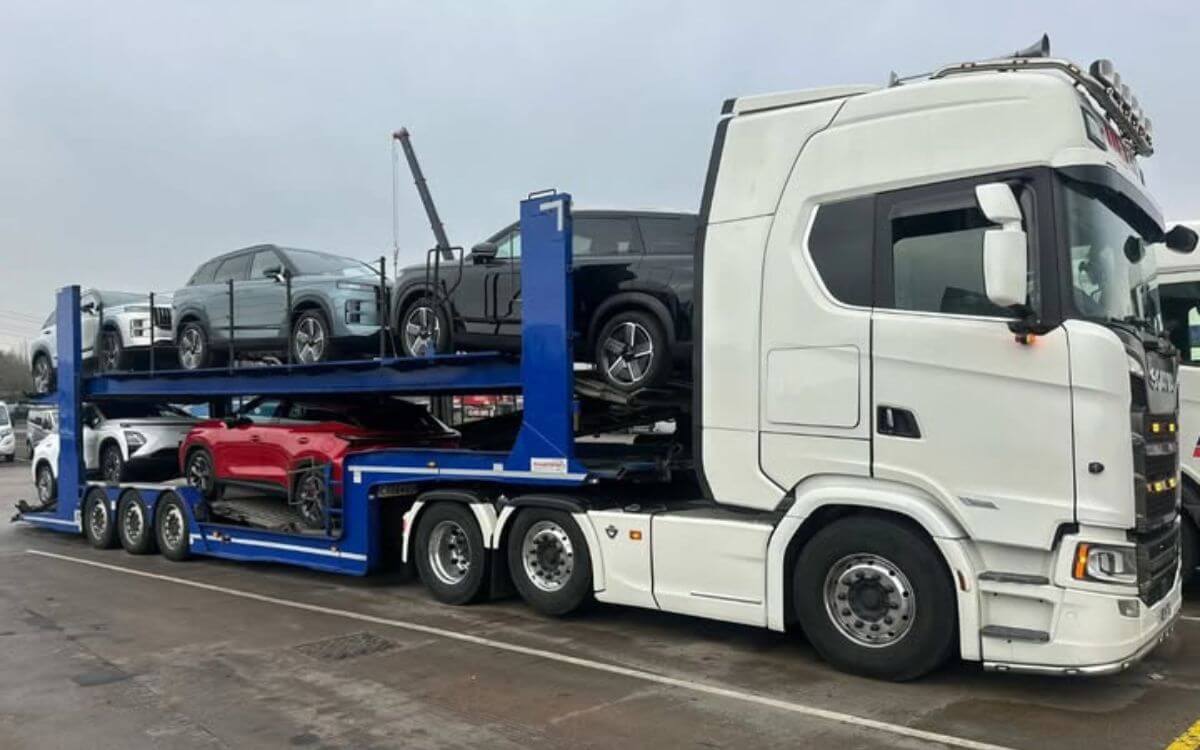
Most standard car transport uses an open vehicle transporter. Enclosed transport offers additional protection from weather and road debris, and is often chosen for classic, prestige or high-value cars. It typically costs more and may have less availability.
Collection and delivery arrangements
Door-to-door collection and delivery can be convenient, but access may be restricted on narrow streets, in city centres or at locations with height limits. If a transporter cannot safely reach the address, you may need to agree a nearby collection or drop-off point.
Timing and flexibility
Urgent, fixed-date transport may cost more than a booking with flexible dates. If your vehicle can be moved as part of a transporter’s existing route, the company may be able to offer a more economical option. Availability will depend on the route and schedule.
How to get an accurate quote
When asking for a quote, provide as much detail as possible, including:
- Collection and delivery postcodes
- The vehicle’s make, model and approximate size
- Whether the car starts, steers and brakes
- Your preferred dates and any deadline
- Whether you require open or enclosed transport
- Any access restrictions at either address
Ask what the quote includes, whether there may be extra charges and what arrangements apply if the vehicle is delayed. It is also sensible to check the company’s insurance arrangements and the terms of service before booking.
Ways to keep the cost down
- Be flexible with dates: A wider collection window can make it easier to coordinate your vehicle with an existing route.
- Choose open transport: For many everyday cars, this is the standard and more economical option.
- Give accurate details: Correct information about the vehicle and access can help avoid unexpected changes to the quote.
- Consider a nearby meeting point: If your road is difficult for a transporter to access, a suitable nearby location may help.
- Book ahead where possible: Leaving plenty of time can give you more choice of dates and services.
Is car transport worth the cost?
Transporting a car can save you the time and effort of driving it yourself, particularly for a long-distance move, a vehicle purchase or a car that is not suitable for a long journey. When comparing the cost with driving, remember to consider fuel, tolls, overnight stays, your time and any additional wear on the vehicle.
Frequently asked questions
How much does it cost to transport a car from one end of the UK to the other?
A long-distance journey across the UK may cost several hundred pounds, with the final price depending on the route, vehicle and service. An indicative range for a standard car on an open transporter could be around £300 to £700 for many journeys, but particularly long or complex routes may cost more.
Does a non-running car cost more to transport?
It can. A non-running vehicle may need specialist loading equipment or additional handling. Make sure to mention this when requesting a quote so the company can confirm whether it can transport the car and provide an accurate price.
How long does it take to transport a car across the country?
Journey times depend on the route, the transporter’s schedule and whether the vehicle is travelling with other cars. Ask for an estimated collection and delivery window when booking, and allow for possible changes caused by traffic or weather.
Get a car transport quote
Every vehicle and journey is different, so a personalised quote is the most reliable way to find out how much your car transport will cost. Share your collection and delivery details, vehicle information and preferred dates to help arrange a suitable service.
6 Tips to Save on the Cost of Transporting a Car Across the Country
- Compare quotes from several reputable car transport firms.
- Check whether the price covers collection and delivery fees.
- Choose open transport for a cheaper option than enclosed transport.
- Ask how your car’s size and condition affect the cost.
- Be flexible with dates to find lower rates.
- Confirm insurance cover and any extra charges before booking.
Compare quotes from several reputable car transport firms.
Compare quotes from several reputable car transport firms to get a clearer idea of the going rate for your journey. Make sure each quote is based on the same details, including your car’s condition, collection and delivery locations, preferred dates and type of transport. Check what is included in the price, such as insurance and any additional charges, and consider the firm’s reputation and service as well as the cheapest quote.
Check whether the price covers collection and delivery fees.
Before booking, check whether the quoted price includes both collection and delivery. Some companies may charge extra for door-to-door service, remote locations or difficult access, while others include these costs in the original quote. Confirm exactly where the car will be collected and delivered, and ask about any possible additional fees, so you can compare quotes fairly and avoid unexpected costs.
Choose open transport for a cheaper option than enclosed transport.
Choosing open transport is usually a more affordable way to move a car across the country than enclosed transport. Your vehicle travels on an open transporter alongside other cars, helping keep costs down, although it will be exposed to the weather and road conditions during the journey. For most everyday vehicles, this can be a practical, cost-effective choice; enclosed transport may be worth considering for classic, prestige or high-value cars that need extra protection.
Ask how your car’s size and condition affect the cost.
Ask how your car’s size and condition will affect the transport cost before booking. Larger or heavier vehicles may take up more space on the transporter, while a car that does not start, steer or brake may need specialist equipment and extra handling. Provide accurate details about your vehicle so the company can give you a clear, realistic quote and flag any additional charges in advance.
Be flexible with dates to find lower rates.
Being flexible with your collection and delivery dates can help reduce the cost of transporting your car across the country. Transport companies may be able to fit your vehicle into an existing route, making better use of available space and saving you money. If you can offer a wider time window rather than requiring a specific day, ask for a flexible-date quote and check how much notice the transporter will give before collection.
Confirm insurance cover and any extra charges before booking.
Before booking, confirm what insurance cover is included and whether it protects your vehicle throughout loading, transport and delivery. Ask about any excess, exclusions or limits, and check whether you need to arrange additional cover. It is also worth clarifying whether the quote includes all costs, such as collection or delivery surcharges, non-running vehicle fees, or charges for difficult access, so you can compare quotes fairly and avoid unexpected expenses.