
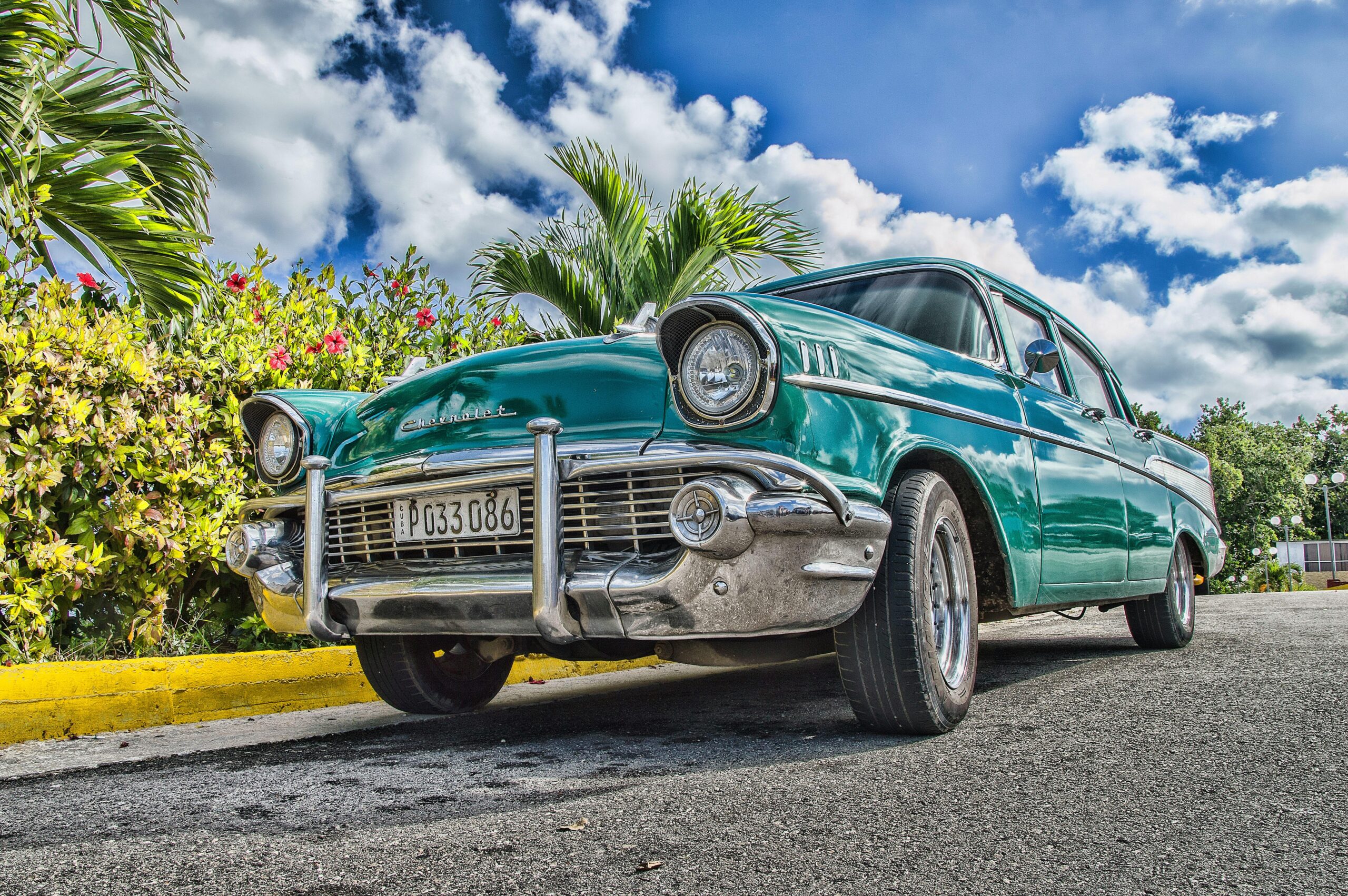
Embracing the Timeless Elegance of Classic Vehicles
The Timeless Charm of Classic Vehicles
Classic vehicles hold a special place in the hearts of many automotive enthusiasts. These timeless treasures evoke nostalgia, craftsmanship, and a sense of history that modern cars often struggle to match.
From vintage sports cars to elegant luxury sedans, classic vehicles encompass a wide range of styles and eras. Each model tells a unique story, reflecting the design trends and technological innovations of its time.
One of the defining characteristics of classic vehicles is their enduring appeal. Despite the passage of years, these cars retain their allure and continue to captivate generations of admirers. Whether it’s the graceful curves of a 1950s Cadillac or the raw power of a muscle car from the 1970s, classic vehicles exude charisma that transcends trends.
Restoring and maintaining classic vehicles is a labour of love for many enthusiasts. From sourcing rare parts to meticulously refurbishing every detail, the dedication required to preserve these automotive icons is immense. However, the rewards are equally substantial – the satisfaction of reviving a piece of history and experiencing the thrill of driving a vintage masterpiece on today’s roads.
Classic vehicle shows and events provide opportunities for owners and fans to come together and celebrate their shared passion. These gatherings showcase an impressive array of meticulously restored cars, each one a testament to the enduring legacy of automotive design.
In an era dominated by mass-produced automobiles, classic vehicles stand out as symbols of individuality and craftsmanship. They remind us of a time when cars were more than just modes of transportation – they were works of art that embodied style, elegance, and innovation.
Whether you’re an avid collector or simply appreciate the beauty of classic cars, there’s no denying the timeless charm they possess. As we look to the future of automotive technology, let’s not forget to honour and preserve the rich heritage embodied by these iconic machines.
Exploring the Timeless Appeal and Benefits of Classic Vehicles
- Timeless charm and nostalgia
- Unique design and craftsmanship
- Historical significance and heritage
- Appreciation of automotive history
- Potential for investment and value appreciation
- Distinctive styling that stands out on the road
- Community of enthusiasts and events for networking
Challenges of Owning a Classic Vehicle: Maintenance, Safety, Efficiency, Insurance, and Preservation Concerns
- Higher maintenance costs due to the need for specialized parts and expertise.
- Limited safety features compared to modern vehicles, potentially posing higher risks in accidents.
- Lower fuel efficiency and higher emissions, contributing to environmental concerns.
- Difficulty in finding insurance coverage that adequately protects the vehicle’s true value.
- Susceptibility to rust and corrosion, requiring regular care and maintenance to preserve the vehicle’s condition.
Timeless charm and nostalgia
Classic vehicles possess a unique pro in their timeless charm and ability to evoke nostalgia. These vintage cars carry with them a sense of history and elegance that transcends generations, appealing to both seasoned enthusiasts and those new to the world of classic automobiles. The nostalgia they inspire harks back to a bygone era, reminding us of simpler times and the craftsmanship that went into creating these automotive masterpieces. Owning and driving a classic vehicle allows individuals to connect with the past, reliving memories or experiencing a sense of nostalgia for an era they may never have lived through themselves. The timeless charm of classic vehicles ensures that their allure will endure for years to come, captivating hearts and minds with their unmatched beauty and character.
Unique design and craftsmanship
Classic vehicles are revered for their unparalleled combination of unique design and exquisite craftsmanship. Each classic car is a masterpiece that showcases the artistry and attention to detail of a bygone era. From elegant curves to intricate interior finishes, classic vehicles exude a level of sophistication and character that is rare in today’s mass-produced automobiles. The meticulous craftsmanship that went into creating these timeless treasures is evident in every aspect of their design, making them not just modes of transportation, but true works of art that stand the test of time.
Historical significance and heritage
Classic vehicles hold a unique pro in their historical significance and heritage. These iconic cars are more than just modes of transportation; they are tangible links to the past, reflecting the design trends, technological advancements, and cultural influences of their respective eras. Preserving and appreciating classic vehicles allows us to honour automotive history and heritage, ensuring that future generations can experience firsthand the innovation and craftsmanship that have shaped the evolution of the automobile industry. By maintaining these treasures, we not only celebrate their individual stories but also contribute to a broader narrative of human ingenuity and progress.
Appreciation of automotive history
One significant advantage of owning a classic vehicle is the profound appreciation it fosters for automotive history. These vintage cars serve as tangible links to the past, allowing enthusiasts to immerse themselves in the evolution of automotive design, engineering, and culture. By owning and preserving a classic vehicle, individuals gain a deeper understanding of the rich heritage and innovations that have shaped the automotive industry over the years. This unique connection to history not only enriches the ownership experience but also encourages a sense of reverence for the craftsmanship and ingenuity of earlier generations of automotive pioneers.
Potential for investment and value appreciation
Classic vehicles offer a unique pro in the form of their potential for investment and value appreciation. Unlike modern cars that depreciate in value over time, well-maintained classic vehicles have the ability to increase in worth as they age. This makes them not only a source of joy for enthusiasts but also a smart financial investment opportunity. With the right care and attention, classic cars can become valuable assets that hold their allure and fetch higher prices in the market, making them a rewarding choice for collectors looking to combine their passion for automobiles with the potential for long-term financial gain.
Distinctive styling that stands out on the road
Classic vehicles boast distinctive styling that sets them apart on the road, capturing the attention of onlookers and enthusiasts alike. With unique design elements and iconic features, these vintage cars exude a timeless charm that is hard to replicate. From elegant curves to bold chrome accents, classic vehicles make a statement wherever they go, showcasing a level of craftsmanship and individuality that is often missing in modern automobiles. Their striking appearance not only evokes nostalgia but also serves as a testament to the enduring allure of classic car design.
Community of enthusiasts and events for networking
Classic vehicles offer a unique pro in the form of fostering a vibrant community of enthusiasts and providing opportunities for networking through events. These gatherings bring together like-minded individuals who share a passion for vintage cars, creating a sense of camaraderie and shared appreciation for automotive history. Whether it’s classic car shows, rallies, or meet-ups, these events serve as valuable platforms for networking, exchanging knowledge, and forming lasting connections with fellow enthusiasts. The community spirit that surrounds classic vehicles enhances the overall ownership experience and enriches the journey of preserving and celebrating these timeless automotive treasures.
Higher maintenance costs due to the need for specialized parts and expertise.
Owning a classic vehicle comes with its own set of challenges, one of which is the higher maintenance costs attributed to the requirement for specialized parts and expertise. Unlike modern cars that benefit from readily available components and standardized repair procedures, classic vehicles often rely on rare or obsolete parts that can be costly to source. Additionally, the intricate nature of vintage car mechanics demands a level of expertise that may not be easily found, leading to higher labour costs for maintenance and repairs. This con underscores the dedication and financial commitment required to keep a classic vehicle in optimal condition and highlights the importance of careful consideration before embarking on ownership of these automotive treasures.
Limited safety features compared to modern vehicles, potentially posing higher risks in accidents.
Classic vehicles, while cherished for their timeless appeal and nostalgic charm, often come with a significant drawback in terms of safety features. Compared to modern vehicles equipped with advanced safety technologies, classic cars typically lack crucial safety enhancements, potentially increasing the risks involved in accidents. The absence of features such as airbags, anti-lock brakes, and stability control systems leaves occupants more vulnerable to injuries in the event of a collision. It is essential for owners and enthusiasts of classic vehicles to acknowledge this con and take extra precautions to ensure the safety of themselves and others on the road.
Lower fuel efficiency and higher emissions, contributing to environmental concerns.
Classic vehicles, while cherished for their timeless appeal and historical significance, present a notable con in the form of lower fuel efficiency and higher emissions. These inefficiencies contribute to environmental concerns, particularly in a time where sustainability and eco-friendliness are at the forefront of automotive discussions. The reliance on older engine technologies and less stringent emissions controls in classic vehicles underscores the need for owners and enthusiasts to consider the environmental impact of operating these iconic cars. Efforts to mitigate these issues, such as retrofitting with modern emission control systems or limiting usage to special occasions, can help address the environmental challenges associated with classic vehicles.
Difficulty in finding insurance coverage that adequately protects the vehicle’s true value.
One significant drawback of owning a classic vehicle is the challenge of securing insurance coverage that truly safeguards the vehicle’s intrinsic value. Due to the unique nature and often high worth of classic cars, standard insurance policies may fall short in providing adequate protection. Valuing a classic vehicle accurately can be complex, and many insurers may undervalue these prized possessions in the event of a claim. This discrepancy can leave owners vulnerable to financial loss and emotional distress if their cherished classic car is not appropriately insured for its true value. As such, navigating the intricacies of insurance coverage for classic vehicles requires careful consideration and often entails seeking specialised policies tailored to meet the specific needs of these automotive treasures.
Susceptibility to rust and corrosion, requiring regular care and maintenance to preserve the vehicle’s condition.
Classic vehicles are often plagued by a significant con: their susceptibility to rust and corrosion. Due to the materials used in older car models and the passage of time, classic vehicles are more prone to rusting than their modern counterparts. This issue necessitates diligent care and regular maintenance to prevent deterioration and preserve the vehicle’s condition. Owners of classic cars must invest time and effort into rust prevention measures, such as proper storage, rust-proofing treatments, and frequent inspections to safeguard these automotive treasures from the damaging effects of corrosion.