
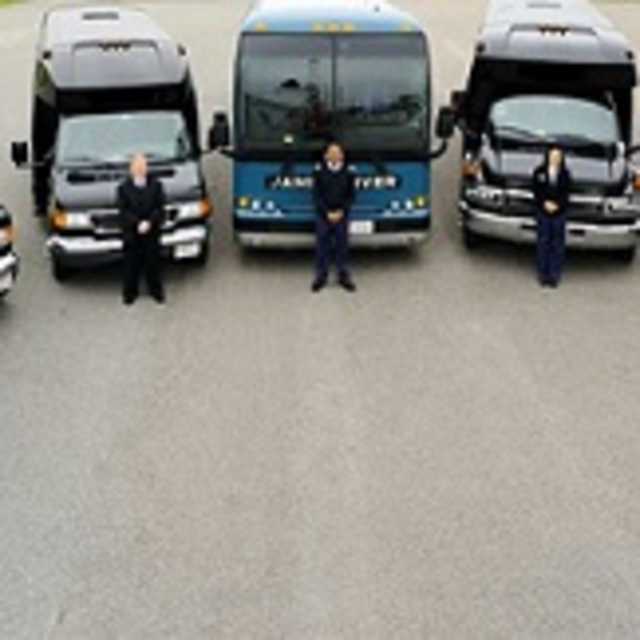
Virginia Transport Fleet: Reliable Vehicle Transport Across the State
Virginia Transport Fleet: Moving Vehicles Safely and Efficiently
A well-managed Virginia transport fleet plays an important role in keeping vehicles, businesses and communities moving. From car carriers travelling between cities to specialist vehicles serving local areas, each part of a fleet must be carefully planned, maintained and operated to deliver a dependable service.
What makes up a transport fleet?
A transport fleet can include a range of vehicles selected for different types of work. For vehicle transport, this may mean enclosed carriers for cars requiring additional protection, open car transporters for larger consignments, and support vehicles used to coordinate journeys and deliveries. The right combination depends on the distances covered, the vehicles being moved and the needs of each customer.
In a state as varied as Virginia, routes may take drivers through busy urban areas, smaller towns and rural roads. A flexible fleet helps operators plan for these different conditions and choose suitable vehicles for each journey.
Planning routes and deliveries
Effective fleet management begins before a vehicle leaves the depot. Transport operators must consider collection and delivery locations, journey times, road conditions and the number of vehicles being carried. Careful scheduling can help reduce unnecessary mileage and keep customers informed about expected arrival times.
Clear communication is just as important as route planning. Customers should know what information is needed before collection, how their vehicle will be handled and whom to contact if plans change. These practical details help make vehicle transport more straightforward.
Maintenance and driver safety
Regular inspections and preventative maintenance help keep transport vehicles roadworthy and ready for work. Checks may cover tyres, brakes, lights, securing equipment and other essential components. Addressing wear early can reduce the risk of breakdowns and support reliable operations.
Drivers also need appropriate training for the vehicles they operate and the loads they carry. Safe loading, securement and unloading are central to vehicle transport. Good fleet procedures help protect drivers, customers’ vehicles and other road users throughout the journey.
Efficiency and environmental considerations
Transport operators can improve efficiency by coordinating collections, planning practical routes and making good use of available vehicle capacity. Reducing empty running can save time and fuel, while routine maintenance helps vehicles operate as efficiently as possible.
As technology develops, fleet managers may also use digital tools to monitor vehicle locations, organise schedules and communicate updates. These systems can support better planning, although dependable service still relies on experienced people making sound decisions.
Choosing a vehicle transport provider
When arranging transport in Virginia, customers should look for a provider that explains its process clearly and can discuss the most suitable transport option for the vehicle. It is worth asking about collection arrangements, delivery estimates, insurance, vehicle condition checks and how updates will be provided.
A professional transport fleet is more than a collection of vehicles. It combines suitable equipment, careful planning, trained drivers and responsive customer service. When these elements work together, vehicle transport can be safer, smoother and easier to manage from collection through to delivery.
Key Insights into Virginia Transport: Ownership, Leadership, Public Transit, and Regional Authorities
- Who owns Virginia Logistics?
- Who is the director of Virginia Transport?
- Does Virginia have public transportation?
- What counties are in the Northern Virginia Transportation Authority?
Who owns Virginia Logistics?
Virginia Logistics may refer to more than one business, so its ownership depends on the specific company. Check the company’s official website and registration details for the most reliable information; for a UK-registered business, ownership and director information may be available through Companies House.
Who is the director of Virginia Transport?
The name of Virginia Transport’s director depends on which company is meant, as several businesses may use similar names. For a UK-registered company, the most reliable way to confirm its current directors is to search the exact company name or registration number on Companies House, where official appointments and changes are recorded.
Does Virginia have public transportation?
Yes, Virginia has public transport, although services vary by area. Northern Virginia is served by the Washington Metro and Virginia Railway Express, while cities such as Richmond and the Hampton Roads region have local bus services. Amtrak and other rail services connect some parts of the state with destinations beyond Virginia. In rural areas, routes may be limited, so it is worth checking local timetables and connections before travelling.
What counties are in the Northern Virginia Transportation Authority?
The Northern Virginia Transportation Authority (NVTA) includes four counties: Arlington, Fairfax, Loudoun and Prince William. It also serves the independent cities of Alexandria, Fairfax, Falls Church, Manassas and Manassas Park. Although these cities are part of the NVTA, they are separate jurisdictions rather than counties.