
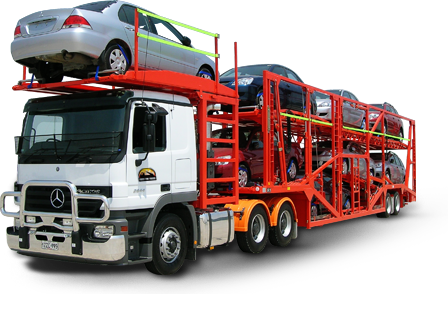
Exploring the World of Vehicle Transport Carriers: A Comprehensive Guide
The World of Vehicle Transport Carriers
Vehicle transport carriers play a crucial role in the automotive industry, facilitating the movement of cars, trucks, and other vehicles from one location to another with efficiency and precision. These carriers come in various types and sizes, each designed to cater to specific transport needs.
Types of Vehicle Transport Carriers
There are several types of vehicle transport carriers commonly used today:
- Open Car Carriers: These carriers are the most common and cost-effective option for transporting vehicles. They are open trailers that can carry multiple vehicles at once.
- Enclosed Car Carriers: Enclosed carriers provide extra protection for vehicles during transport. They shield cars from external elements like weather conditions and road debris.
- Flatbed Trailers: Flatbed trailers are versatile carriers that can transport a wide range of vehicles, including oversized or non-running vehicles.
- Rail Car Transporters: Rail car transporters move vehicles by train, offering a cost-effective and environmentally friendly mode of transportation.
The Benefits of Vehicle Transport Carriers
Vehicle transport carriers offer numerous benefits to both individuals and businesses:
- Convenience: Using a vehicle transport carrier saves time and effort compared to driving the vehicle to its destination.
- Safety: Professional carriers ensure the safe and secure transportation of vehicles, reducing the risk of damage or accidents.
- Coverage: Carriers can transport vehicles locally, nationally, or even internationally, providing extensive coverage for transport needs.
- Economic Efficiency: Vehicle transport carriers offer cost-effective solutions for moving vehicles over long distances or in bulk.
In Conclusion
Vehicle transport carriers play a vital role in the automotive ecosystem, offering reliable and efficient solutions for moving vehicles across various distances. Whether you need to transport a single car or an entire fleet, there is a carrier type suited to your requirements. By leveraging the services of professional vehicle transport carriers, individuals and businesses can enjoy a seamless and stress-free vehicle transportation experience.
Essential Tips for Choosing and Preparing Your Vehicle for Transport
- Ensure the carrier is licensed and insured.
- Check the carrier’s reputation and reviews.
- Get a written contract detailing all terms and conditions.
- Inspect your vehicle for any existing damage before transport.
- Remove personal belongings from the vehicle for safety.
- Disable car alarms to prevent unnecessary disruptions during transport.
- Provide accurate contact information to stay informed about the transport progress.
- Be prepared for unforeseen delays due to weather or road conditions.
- Inspect your vehicle for any new damage upon delivery.
Ensure the carrier is licensed and insured.
When engaging a vehicle transport carrier, it is essential to ensure that the carrier is licensed and insured. This precautionary step provides peace of mind and safeguards against potential risks during the transportation process. A licensed carrier signifies compliance with industry regulations and standards, assuring customers of professionalism and reliability. Additionally, insurance coverage protects both the carrier and the vehicle owner in case of unforeseen incidents or damages during transit. By verifying the licensing and insurance credentials of the carrier, individuals can confidently entrust their vehicles for safe and secure transport.
Check the carrier’s reputation and reviews.
When considering vehicle transport carriers, it is essential to prioritise checking the carrier’s reputation and reviews. By researching feedback from previous customers and assessing the carrier’s reputation within the industry, you can gain valuable insights into their reliability, professionalism, and overall service quality. Choosing a carrier with a positive reputation and favourable reviews can significantly increase the likelihood of a smooth and satisfactory vehicle transport experience, providing you with peace of mind throughout the process.
Get a written contract detailing all terms and conditions.
When engaging a vehicle transport carrier service, it is essential to secure a written contract that outlines all terms and conditions of the transport agreement. Having a detailed contract provides clarity and protection for both parties involved in the transaction. It ensures that all aspects of the transport process, including pickup and delivery schedules, insurance coverage, payment terms, and any additional services, are clearly defined and agreed upon upfront. By obtaining a written contract, customers can have peace of mind knowing that their vehicle transport needs are documented and safeguarded by a formal agreement.
Inspect your vehicle for any existing damage before transport.
Before entrusting your vehicle to a transport carrier, it is essential to conduct a thorough inspection to identify any pre-existing damage. By carefully examining your vehicle for scratches, dents, or other imperfections, you can document its current condition and avoid any disputes regarding damage that may occur during transport. Taking the time to inspect your vehicle beforehand ensures that both you and the carrier have a clear understanding of its condition, providing peace of mind and protection for your valuable asset throughout the transportation process.
Remove personal belongings from the vehicle for safety.
It is essential to remove personal belongings from your vehicle before transporting it using a vehicle transport carrier. By ensuring that the interior of the vehicle is free of personal items, you not only reduce the risk of damage to your belongings during transit but also enhance safety measures. Loose items inside the vehicle can shift during transport, potentially causing damage to the interior or posing safety hazards. Prioritising the removal of personal belongings helps maintain a clear and secure environment within the vehicle, ensuring a smooth and worry-free transport process.
Disable car alarms to prevent unnecessary disruptions during transport.
To ensure a smooth and uninterrupted vehicle transport experience, it is advisable to disable car alarms before the vehicle is loaded onto the carrier. By deactivating car alarms, unnecessary disruptions during transport can be avoided. This simple precaution not only prevents potential distractions for the carrier driver but also helps maintain a peaceful transport environment for other vehicles being transported. Disabling car alarms is a small yet essential step to promote a hassle-free and efficient vehicle transport process.
Provide accurate contact information to stay informed about the transport progress.
To ensure a smooth and informed vehicle transport experience, it is essential to provide accurate contact information to the carrier. By sharing up-to-date contact details, such as phone numbers and email addresses, customers can stay informed about the progress of their vehicle transport. This proactive approach enables carriers to provide timely updates on pick-up and delivery times, address any concerns promptly, and maintain clear communication throughout the transport process. Accurate contact information serves as a valuable tool in enhancing transparency and ensuring a hassle-free transport journey for all parties involved.
Be prepared for unforeseen delays due to weather or road conditions.
When utilising vehicle transport carriers, it is essential to anticipate unforeseen delays that may arise from adverse weather conditions or road challenges. Factors such as heavy rain, snow, or road closures can impact the transport schedule. Being prepared for these potential delays by allowing for flexibility in timelines and maintaining open communication with the carrier can help mitigate any disruptions and ensure a smoother transport process. Prioritising safety and preparedness for unexpected circumstances is key to a successful vehicle transport experience.
Inspect your vehicle for any new damage upon delivery.
When your vehicle is delivered by a transport carrier, it is essential to conduct a thorough inspection to identify any new damage that may have occurred during transportation. By inspecting your vehicle upon delivery, you can promptly address any issues and hold the carrier accountable for any damages incurred while in their care. This proactive approach ensures that you are aware of the vehicle’s condition post-transportation and can take necessary steps to resolve any concerns efficiently.