
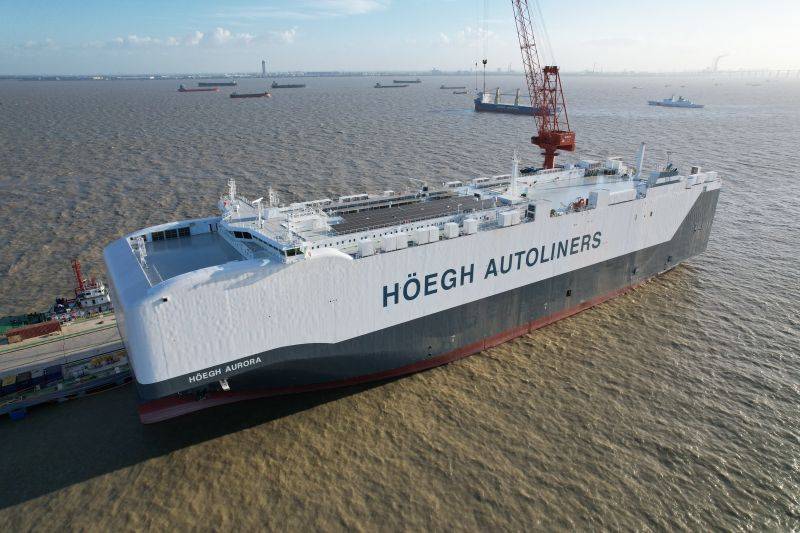
The Magnificent MV Tønsberg: Largest Car Carrier Ship Sets Sail
The World’s Largest Car Carrier Ship: A Marvel of Modern Engineering
Car carrier ships, also known as vehicle carriers or RO/RO (roll-on/roll-off) vessels, play a crucial role in the global automotive industry by transporting cars, trucks, and other vehicles across oceans. Among these impressive vessels, one stands out as the largest and most awe-inspiring: the MV Tønsberg.
Constructed in 2008 by the Japanese shipbuilding company Mitsubishi Heavy Industries, the MV Tønsberg boasts a staggering capacity that sets it apart from its peers. With a length of over 265 meters and a width of 32 meters, this colossal vessel can accommodate up to 8,500 vehicles on its multiple decks.
Equipped with state-of-the-art technology and safety features, the MV Tønsberg ensures that each vehicle it carries is securely stowed and protected during transit. From luxury cars to heavy-duty trucks, this giant car carrier ship can handle a diverse range of vehicles with ease.
Operating on international routes connecting major ports around the world, the MV Tønsberg plays a vital role in facilitating global trade and ensuring efficient transportation of vehicles to their destinations. Its sheer size and capability make it a key player in the logistics chain that supports the automotive industry.
As we marvel at the engineering prowess behind the construction of the world’s largest car carrier ship, we are reminded of the intricate network of infrastructure and technology that enables seamless global trade and transportation. The MV Tønsberg stands as a testament to human innovation and ingenuity in overcoming challenges posed by vast oceans and long distances.
Top 6 Insights into the World’s Largest Car Carrier Ships
- The largest car carrier ship can transport thousands of vehicles in a single journey.
- These ships are specially designed with multiple decks to maximize vehicle storage capacity.
- Advanced technology is used for efficient loading and unloading of cars on these massive vessels.
- Strict safety measures are implemented to secure the vehicles during transit on the car carrier ship.
- Regular maintenance and inspections are crucial to ensure the smooth operation of the largest car carrier ships.
- Weather conditions and sea routes are carefully considered to plan safe and timely journeys for these large vessels.
The largest car carrier ship can transport thousands of vehicles in a single journey.
The largest car carrier ship in the world possesses the remarkable capability to transport thousands of vehicles in a single journey. With its vast size and immense capacity, this colossal vessel serves as a testament to the scale and efficiency of modern maritime transportation. By accommodating such a large number of vehicles on board, it showcases the impressive logistics expertise and engineering prowess required to facilitate the seamless movement of automobiles across vast distances.
These ships are specially designed with multiple decks to maximize vehicle storage capacity.
Car carrier ships, such as the remarkable MV Tønsberg, are meticulously crafted with a strategic focus on efficiency and space optimization. Featuring multiple decks specially designed to accommodate vehicles of varying sizes and shapes, these vessels excel in maximising storage capacity while ensuring secure transportation. By utilising every available inch of space intelligently, car carrier ships like the MV Tønsberg exemplify the pinnacle of engineering ingenuity in the maritime industry.
Advanced technology is used for efficient loading and unloading of cars on these massive vessels.
Advanced technology plays a crucial role in the efficient loading and unloading of cars on the largest car carrier ships. These massive vessels leverage cutting-edge systems and equipment to streamline the process, ensuring that thousands of vehicles can be safely stowed and retrieved with precision. Automated ramps, cargo handling systems, and sophisticated tracking mechanisms enable seamless operations, reducing turnaround times and enhancing overall efficiency. By harnessing technology to optimise the loading and unloading procedures, these vessels maximise their capacity while maintaining the highest standards of safety and reliability in transporting vehicles across the seas.
Strict safety measures are implemented to secure the vehicles during transit on the car carrier ship.
Strict safety measures are meticulously implemented to ensure the secure transportation of vehicles during transit on the largest car carrier ship. From advanced securing systems to rigorous inspection protocols, every precaution is taken to safeguard the vehicles on board. By prioritising safety at every stage of the journey, the car carrier ship upholds its commitment to protecting the valuable cargo it carries, providing peace of mind to both shippers and recipients alike.
Regular maintenance and inspections are crucial to ensure the smooth operation of the largest car carrier ships.
Regular maintenance and inspections are paramount to guarantee the seamless operation of the largest car carrier ships. These colossal vessels, such as the MV Tønsberg, rely on meticulous upkeep and thorough checks to maintain their efficiency and safety standards. Scheduled maintenance tasks, including engine inspections, hull cleaning, and equipment servicing, play a vital role in preventing potential issues and ensuring that the ship can continue to transport thousands of vehicles across oceans reliably. By prioritising regular maintenance and inspections, operators of these immense car carriers uphold a commitment to excellence and safety in maritime transportation.
Weather conditions and sea routes are carefully considered to plan safe and timely journeys for these large vessels.
Weather conditions and sea routes play a critical role in the meticulous planning of safe and timely journeys for the largest car carrier ships. These colossal vessels, such as the MV Tønsberg, rely on careful consideration of weather patterns and optimal sea routes to ensure smooth sailing and secure transportation of thousands of vehicles across oceans. By factoring in variables like wind speed, wave height, and potential hazards, maritime experts can chart the most efficient and safest course for these massive ships, highlighting the importance of strategic navigation in the successful operation of such impressive feats of engineering.