
Enclosed Car Transport Prices: What to Expect and How to Compare Quotes
Enclosed Car Transport Prices: What Affects the Cost?
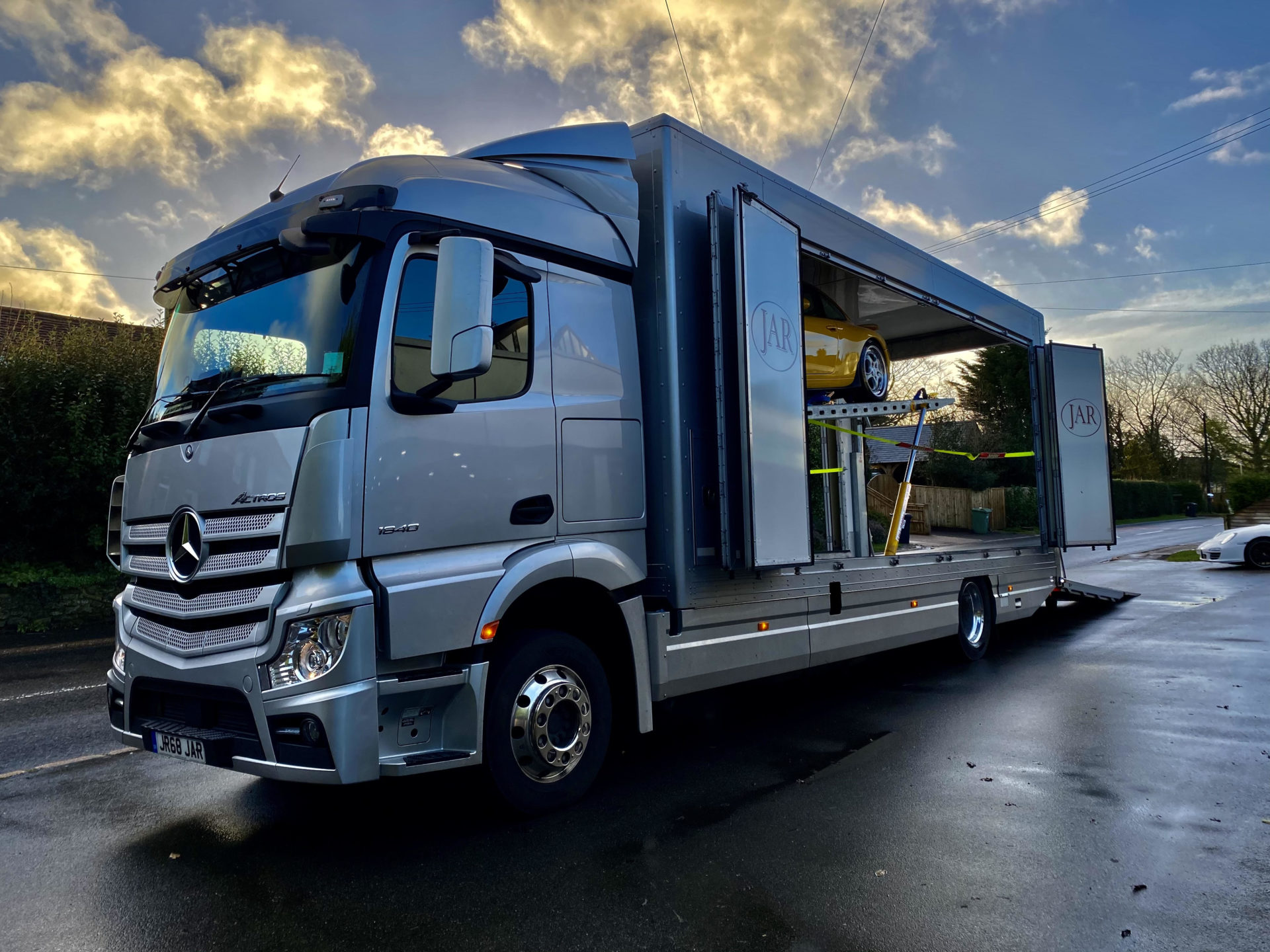
Enclosed car transport offers extra protection when a vehicle needs to be moved. The car is carried inside a covered transporter, sheltered from weather, road debris and public view. It is often chosen for classic, prestige, performance or valuable vehicles, as well as cars that need particularly careful handling.
Because every vehicle and journey is different, there is no single price for enclosed car transport. The cost depends on the route, the vehicle and the service required. Understanding these factors can help you compare quotes and choose the right option.
What is the typical price of enclosed car transport?
Enclosed transport generally costs more than standard open transport. Enclosed trailers have more limited space and may carry fewer vehicles, while the equipment and handling requirements can be greater. The final price will depend on the details of your booking, so a tailored quote is the best way to establish the cost.
When comparing quotes, check whether the price includes VAT, collection and delivery, insurance and any additional handling charges. A low headline price may not include every service you need.
Factors that affect enclosed car transport prices
Distance and route
Longer journeys usually cost more, but price does not always increase at a simple rate per mile. The route, road access, likely journey time and whether the transporter can combine your vehicle with other bookings may all affect the quote.
Vehicle size and weight
Large or heavy vehicles can take up more space and affect how many cars can be carried at once. Modified vehicles, wide-bodied cars and vehicles with low ground clearance may also need additional care or specialist loading equipment.
Vehicle condition
A car that runs and can be driven onto the transporter is usually more straightforward to load. If it is non-running, damaged or unable to roll, special equipment may be needed. Tell the transport provider about the vehicle’s condition when requesting a quote.
Collection and delivery access
Enclosed transporters can be larger than ordinary vehicles, so narrow streets, restricted entrances, low bridges and limited turning space may affect where collection or delivery can take place. A nearby meeting point may be needed if direct access is unsuitable.
Timing and flexibility
Urgent bookings, fixed collection dates or out-of-hours arrangements may cost more than flexible transport. If your dates are flexible, mention this when requesting a quote, as it may allow the provider to plan the journey more efficiently.
Level of protection and service
Enclosed transport is designed to protect a vehicle during transit, but the exact service can vary. Ask what insurance applies, how the car will be secured and whether the quote includes any specific loading or handling requirements.
Is enclosed transport worth the extra cost?
For many everyday cars, open transport may be a suitable and more economical choice. Enclosed transport can be worth considering when protection from the elements and road debris is a priority, or when the vehicle has a high monetary or sentimental value.
The right option depends on the vehicle, the journey and your priorities. Consider the value of the car, its condition and how much additional protection you want before deciding.
How to compare enclosed car transport quotes
- Provide the make, model, dimensions and condition of the vehicle.
- Give accurate collection and delivery postcodes.
- Explain any access restrictions at either location.
- Confirm whether your dates are fixed or flexible.
- Ask what insurance cover applies during transit.
- Check whether VAT and any extra charges are included.
- Compare the service and communication as well as the price.
Frequently asked questions
Why does enclosed car transport cost more than open transport?
Enclosed transporters typically have limited capacity and provide a covered environment for the vehicle. The equipment, space and handling involved can make the service more expensive than transporting a car on an open carrier.
Can a non-running car be transported in an enclosed transporter?
It may be possible, but the provider will need to know that the car cannot be driven or rolled. This can affect the equipment required, access arrangements and overall price.
Does enclosed transport include insurance?
Insurance arrangements vary between providers and bookings. Before confirming, ask what cover applies, what limits or exclusions may apply, and whether you need to arrange any additional cover.
Get a tailored quote
The most accurate enclosed car transport price comes from sharing the details of your vehicle and journey. With clear information about the car, route, access and preferred dates, a transport provider can give you a quote suited to your requirements.
6 Essential Tips for Navigating Enclosed Car Transport Costs in the UK
- Compare several quotes for enclosed transport.
- Expect higher prices than for open transport.
- Check whether distance and fuel surcharges are included.
- Larger or non-running cars may cost more to move.
- Flexible dates can help secure a lower price.
- Confirm insurance cover and any excess before booking.
Compare several quotes for enclosed transport.
Compare several quotes for enclosed car transport to understand the going rate and find a service that suits your needs. Make sure each quote covers the same details, including the route, collection and delivery arrangements, insurance and any additional fees. The cheapest option may not offer the same level of protection or service, so check what is included before making your decision.
Expect higher prices than for open transport.
Enclosed car transport typically costs more than open transport because the vehicle travels inside a covered transporter, which offers added protection from weather and road debris. Enclosed carriers may also have less space and carry fewer vehicles per journey, increasing the cost per car. The exact difference depends on the route, vehicle and collection arrangements, so it’s worth comparing quotes for both options before booking.
Check whether distance and fuel surcharges are included.
When comparing enclosed car transport prices, check whether the quote includes the full journey distance and any fuel surcharge. Some providers list a base price and add these costs later, which can make the final bill higher than expected. Ask for a breakdown of the quote and confirmation of any extra charges before booking.
Larger or non-running cars may cost more to move.
Larger or non-running cars may cost more to move by enclosed transport. A bigger or heavier vehicle can take up more space and affect the transporter’s capacity, while a car that cannot be driven or rolled may need specialist loading equipment and extra handling. Share the vehicle’s dimensions and condition when requesting a quote so the price reflects the support required.
Flexible dates can help secure a lower price.
Being flexible with your collection and delivery dates can help reduce the cost of enclosed car transport. It gives the transport provider more scope to fit your vehicle into an existing route or combine it with other bookings, making the journey more efficient. If your schedule allows, ask whether a wider collection window could secure a lower price.
Confirm insurance cover and any excess before booking.
Before booking enclosed car transport, confirm what insurance cover is included and ask for the details in writing. Check that the policy covers your vehicle for the full journey, note any exclusions or limits, and find out whether you would need to pay an excess if you made a claim. Understanding these terms in advance helps you compare quotes fairly and avoid unexpected costs.