
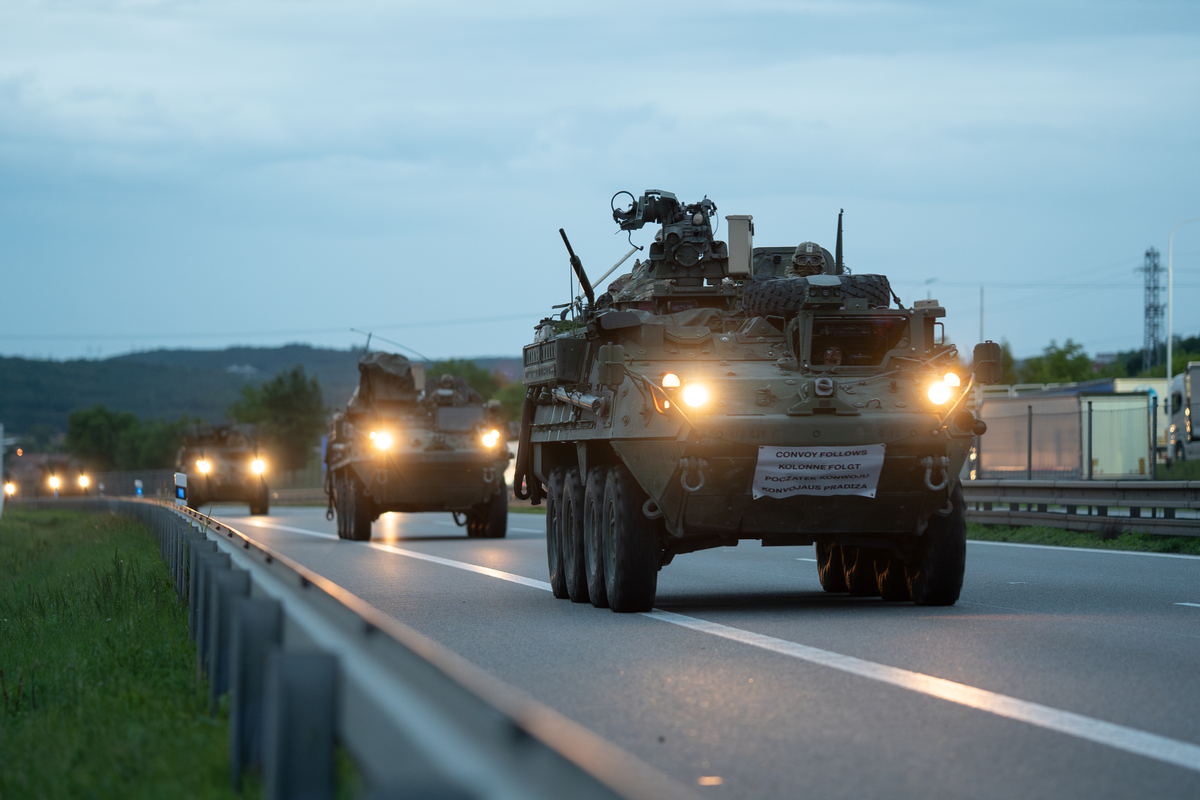
Ensuring Secure and Efficient Military Vehicle Transport Operations
Military Vehicle Transport: Ensuring Security and Efficiency
Transporting military vehicles is a critical aspect of military operations, requiring precision, security, and efficiency. Whether moving tanks, armoured vehicles, or other specialised equipment, the process demands careful planning and execution to ensure the safe and timely delivery of these assets.
One of the key considerations in military vehicle transport is security. These vehicles are often valuable assets that play a crucial role in defence operations. Therefore, it is essential to employ secure transport methods to protect them from theft, damage, or unauthorised access.
Efficiency is another vital factor in military vehicle transport. Timely delivery of vehicles to their designated locations is essential for maintaining operational readiness. Delays in transport can disrupt military activities and compromise mission success.
To address these challenges, military organisations often rely on specialised transport services that are equipped to handle the unique requirements of moving military vehicles. These services have the expertise, resources, and capabilities to ensure secure and efficient transport from origin to destination.
Advanced logistics planning plays a crucial role in military vehicle transport. This includes route planning, coordination with authorities for necessary permits and clearances, as well as contingency plans to address unforeseen circumstances that may arise during transport.
Moreover, specialised equipment such as flatbed trailers, low loaders, and heavy-duty trucks are used for transporting different types of military vehicles. These vehicles are securely loaded onto trailers using specialised techniques to ensure their safety during transit.
In conclusion, military vehicle transport is a complex process that requires meticulous planning, adherence to security protocols, and efficient execution. By partnering with experienced transport services that specialise in handling military assets, organisations can ensure the safe and timely delivery of their vehicles while maintaining operational readiness.
Essential Tips for Safe and Efficient Military Vehicle Transport
- Ensure proper securing of the vehicle for transportation.
- Follow all safety regulations and guidelines during loading and unloading.
- Inspect the vehicle for any damage before and after transport.
- Use appropriate equipment such as tie-down straps and wheel chocks.
- Plan the route carefully to avoid obstacles or low clearance areas.
- Consider weather conditions that may affect transport operations.
- Communicate effectively with all personnel involved in the transport process.
Ensure proper securing of the vehicle for transportation.
Ensuring the proper securing of military vehicles for transportation is a critical step in maintaining their safety and integrity during transit. Securely fastening the vehicle using appropriate restraints and tie-downs helps prevent shifting, damage, or accidents that may occur during transport. By meticulously following proper securing procedures, including securing loose components and immobilising moving parts, military organisations can guarantee that their vehicles reach their destination securely and ready for deployment. Prioritising the correct securing of vehicles not only safeguards valuable assets but also contributes to overall mission readiness and operational effectiveness.
Follow all safety regulations and guidelines during loading and unloading.
It is crucial to adhere to all safety regulations and guidelines during the loading and unloading of military vehicles. Following these protocols ensures the protection of personnel, equipment, and surrounding infrastructure. By carefully following established procedures, such as securing vehicles properly on trailers and using appropriate lifting equipment, the risk of accidents or damage can be significantly reduced. Prioritising safety during loading and unloading operations is essential to maintain operational readiness and ensure the successful transport of military vehicles to their destinations.
Inspect the vehicle for any damage before and after transport.
It is crucial to conduct thorough inspections of military vehicles for any damage both before and after transport. By inspecting the vehicle before loading it onto the transport vehicle, any pre-existing damage can be documented to avoid disputes later on. Similarly, conducting a post-transport inspection allows for any new damage incurred during transit to be identified and addressed promptly. Regular inspections help ensure the integrity of the military vehicles and maintain their operational readiness for future missions.
Use appropriate equipment such as tie-down straps and wheel chocks.
When transporting military vehicles, it is crucial to use the appropriate equipment to secure them effectively during transit. Utilising tools such as tie-down straps and wheel chocks ensures that the vehicles remain stable and immobile throughout the journey. Tie-down straps help to anchor the vehicles securely to the transport trailer, preventing any shifting or movement that could lead to damage. Wheel chocks provide additional support by immobilising the wheels, further enhancing stability and safety during transport. By employing these essential tools, military vehicle transport can be conducted with maximum security and peace of mind.
Plan the route carefully to avoid obstacles or low clearance areas.
When transporting military vehicles, it is crucial to meticulously plan the route to steer clear of potential obstacles or low clearance areas. By carefully mapping out the journey in advance, transport operators can identify and avoid roadblocks, narrow passages, or structures with insufficient overhead clearance that may impede the smooth transit of military vehicles. This proactive approach not only helps ensure the safety of the vehicles being transported but also contributes to maintaining the efficiency and timeliness of the overall transport operation.
Consider weather conditions that may affect transport operations.
When planning military vehicle transport, it is crucial to consider weather conditions that may impact transport operations. Adverse weather such as heavy rain, snow, or extreme temperatures can pose challenges and affect the safety and efficiency of the transport process. By taking into account weather forecasts and potential hazards, military organisations can make informed decisions to mitigate risks, adjust schedules if necessary, and ensure that vehicles are transported securely and on time. Prioritising awareness of weather conditions is key to maintaining the integrity of military vehicle transport operations.
Communicate effectively with all personnel involved in the transport process.
Effective communication with all personnel involved in the military vehicle transport process is paramount to ensuring a smooth and successful operation. Clear and concise communication helps to coordinate efforts, convey critical information, and address any potential issues promptly. By maintaining open lines of communication between all parties, including drivers, logistics coordinators, security personnel, and other stakeholders, any challenges can be identified and resolved efficiently, leading to a secure and efficient transport operation.