
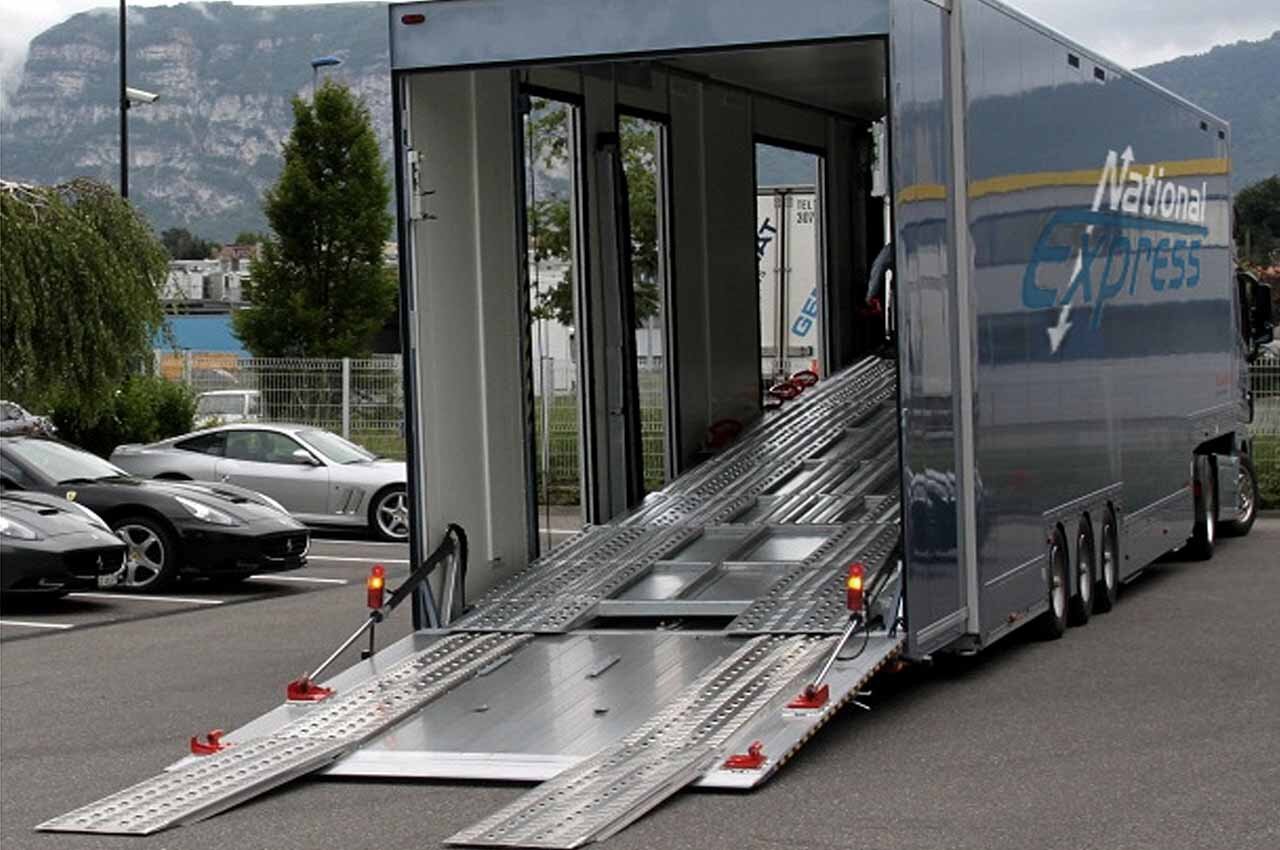
Auto Carrier Companies: A Guide to Choosing the Right Vehicle Transport Service
Auto Carrier Companies: How Vehicle Transport Works
Auto carrier companies move cars and other vehicles from one location to another using specialist transporters. Their services can be useful when buying or selling a vehicle, relocating, arranging a long-distance move or transporting a car that cannot be driven. Understanding the options available can help you choose a service that suits your vehicle, schedule and budget.
What does an auto carrier company do?
An auto carrier company arranges the collection, transport and delivery of vehicles. Depending on the provider and the journey, a car may be carried on a multi-vehicle transporter or moved using a dedicated vehicle transporter. Some companies operate their own vehicles, while others arrange transport through a network of carriers.
Services may cover cars, vans, classic vehicles, non-running vehicles and, in some cases, commercial or specialist vehicles. Availability depends on the transporter’s equipment and the vehicle’s size, condition and weight.
Common types of vehicle transport
Open transport
Open transport uses a vehicle transporter without enclosed sides. It is a common option for standard cars and can be more cost-effective than enclosed transport. Vehicles are exposed to ordinary road and weather conditions during the journey, much as they would be when driven.
Enclosed transport
Enclosed transport carries vehicles inside a covered trailer. It can offer additional protection from weather and road debris, making it a popular choice for classic, prestige or particularly valuable vehicles. It is not offered by every carrier and may cost more.
Single-vehicle transport
A dedicated transporter carries one vehicle or a small number of vehicles for a specific customer. This may provide greater flexibility over collection and delivery arrangements, though the price can be higher than sharing a multi-car service.
Multi-vehicle transport
Multi-vehicle transporters carry several cars on the same journey. Sharing capacity can make this a practical option, but routes and timings may depend on the carrier’s other collections and deliveries.
How to choose an auto carrier company
Price matters, but it is only one part of choosing a vehicle transport provider. Before booking, consider the following:
- Experience and suitability: Check that the company can handle your vehicle type, including any unusual dimensions or mechanical issues.
- Insurance: Ask what cover applies while the vehicle is in the carrier’s care, what the limits and exclusions are, and whether you need to make any arrangements of your own.
- Collection and delivery arrangements: Confirm whether the service is door-to-door or uses accessible meeting points. Large transporters may not be able to reach every address.
- Timings: Find out whether the dates are guaranteed or estimated, and how the company will contact you if plans change.
- Written terms: Read the quotation and booking conditions, including cancellation terms, payment requirements and any additional charges.
- Communication: Choose a provider that explains the process clearly and gives you a way to ask questions before and during the transport.
It is sensible to compare like-for-like quotations. Check whether each price includes the same collection and delivery locations, transport method, insurance arrangements and level of service.
What affects the cost?
The cost of transporting a vehicle can vary according to the distance, vehicle size and weight, transport method and route. Other factors may include how accessible the collection and delivery points are, whether the vehicle is roadworthy, how quickly transport is required and whether the journey can be combined with other loads.
Ask for a written quotation that explains what is included. If the vehicle does not start, steer or brake, tell the carrier before booking. Special equipment or additional handling may be needed, which can affect the price and availability.
Preparing your vehicle for transport
A little preparation can help make collection and delivery smoother:
- Remove personal belongings and loose items from the vehicle.
- Leave only the amount of fuel agreed with the carrier.
- Make sure the vehicle is accessible and disclose any faults or damage.
- Provide keys and any necessary operating instructions.
- Take clear photographs of the vehicle’s condition before collection.
- Agree how the vehicle will be checked at collection and delivery.
Follow the carrier’s specific instructions, particularly if the vehicle is non-running or has specialist features such as low ground clearance.
Questions to ask before booking
Before confirming a service, ask who will carry the vehicle and whether the company uses subcontractors. Clarify the collection window, likely journey time, insurance arrangements and the procedure for reporting damage or delays. It is also worth confirming who will be present at each end and what happens if access to the address is unsuitable for a large transporter.
A smoother vehicle transport experience
Auto carrier companies can make moving a vehicle simpler, whether the journey is local or long-distance. By checking the service details, understanding the insurance arrangements and preparing the vehicle in advance, customers can set clear expectations and choose transport that fits their needs.
Essential Tips for Choosing a Reliable Auto Carrier Company
- Check the company’s licence and insurance.
- Compare several written quotes.
- Confirm the pickup and delivery dates.
- Ask whether the quote includes all fees.
- Check reviews from recent customers.
- Photograph your vehicle before collection.
- Remove personal items from the car.
- Read the cancellation and claims policies.
- Get the transport agreement in writing.
Check the company’s licence and insurance.
Before booking an auto carrier company, check that it holds any licences required for the service and that its insurance covers your vehicle while it is being collected, transported and delivered. Ask for details of the cover, including limits, exclusions and any excess, and confirm whether you need separate insurance. A reputable company should be willing to explain its credentials and provide written evidence on request.
Compare several written quotes.
Compare several written quotes before choosing an auto carrier company. Check that each quote covers the same journey, vehicle type, collection and delivery arrangements, transport method and insurance, so you can make a fair comparison. Ask about any extra charges, possible delays and cancellation terms, and make sure the final price and service details are confirmed in writing.
Confirm the pickup and delivery dates.
Confirm the pickup and delivery dates with the auto carrier company before booking, and check whether they are guaranteed or estimated. Agreeing clear dates helps you plan around the vehicle’s collection and arrival, while understanding any time windows or possible delays can prevent last-minute surprises. Ask how the company will let you know if the schedule changes.
Ask whether the quote includes all fees.
Ask whether the quote includes all fees before booking an auto carrier company. Check for possible extra charges, such as collection or delivery surcharges, fuel costs, tolls, waiting time, or handling for a non-running or oversized vehicle. Getting a clear, itemised price in writing helps you compare providers fairly and avoid unexpected costs later.
Check reviews from recent customers.
Before choosing an auto carrier company, check reviews from recent customers to get a sense of its reliability, communication and care when handling vehicles. Look for consistent feedback across several independent review sites, and pay attention to how the company responds to complaints as well as praise. Recent reviews can offer a clearer picture of its current service, but remember to consider the overall pattern rather than relying on one individual experience.
Photograph your vehicle before collection.
Before your vehicle is collected, take clear photographs from several angles, including close-ups of any existing marks or damage. Make sure the images are well lit and keep them, along with the date, until the vehicle has been delivered and checked. This gives you a useful record of its condition at handover and can help if you need to raise a concern about damage during transport.
Remove personal items from the car.
Before your vehicle is collected, remove personal belongings and loose items from inside the car. Items left in the vehicle may not be covered by the carrier’s insurance, and they can move around during transit and cause damage. Clearing the car also makes it easier to check its condition at collection and delivery.
Read the cancellation and claims policies.
Before booking an auto carrier company, read its cancellation and claims policies carefully. Check whether cancellation fees apply, how much notice is required and what happens if collection or delivery dates change. Make sure you understand how to report damage or loss, the time limits for submitting a claim and what evidence you may need, such as photographs or a vehicle condition report. Knowing these terms in advance can help you avoid unexpected costs and understand what to do if something goes wrong.
Get the transport agreement in writing.
Always get the transport agreement in writing before your vehicle is collected. It should clearly set out the agreed price, collection and delivery arrangements, estimated timescales, insurance cover, any extra charges and the process for handling delays or damage. Read the terms carefully and ask for clarification about anything that is unclear, so both you and the auto carrier company have a shared understanding of the service.