
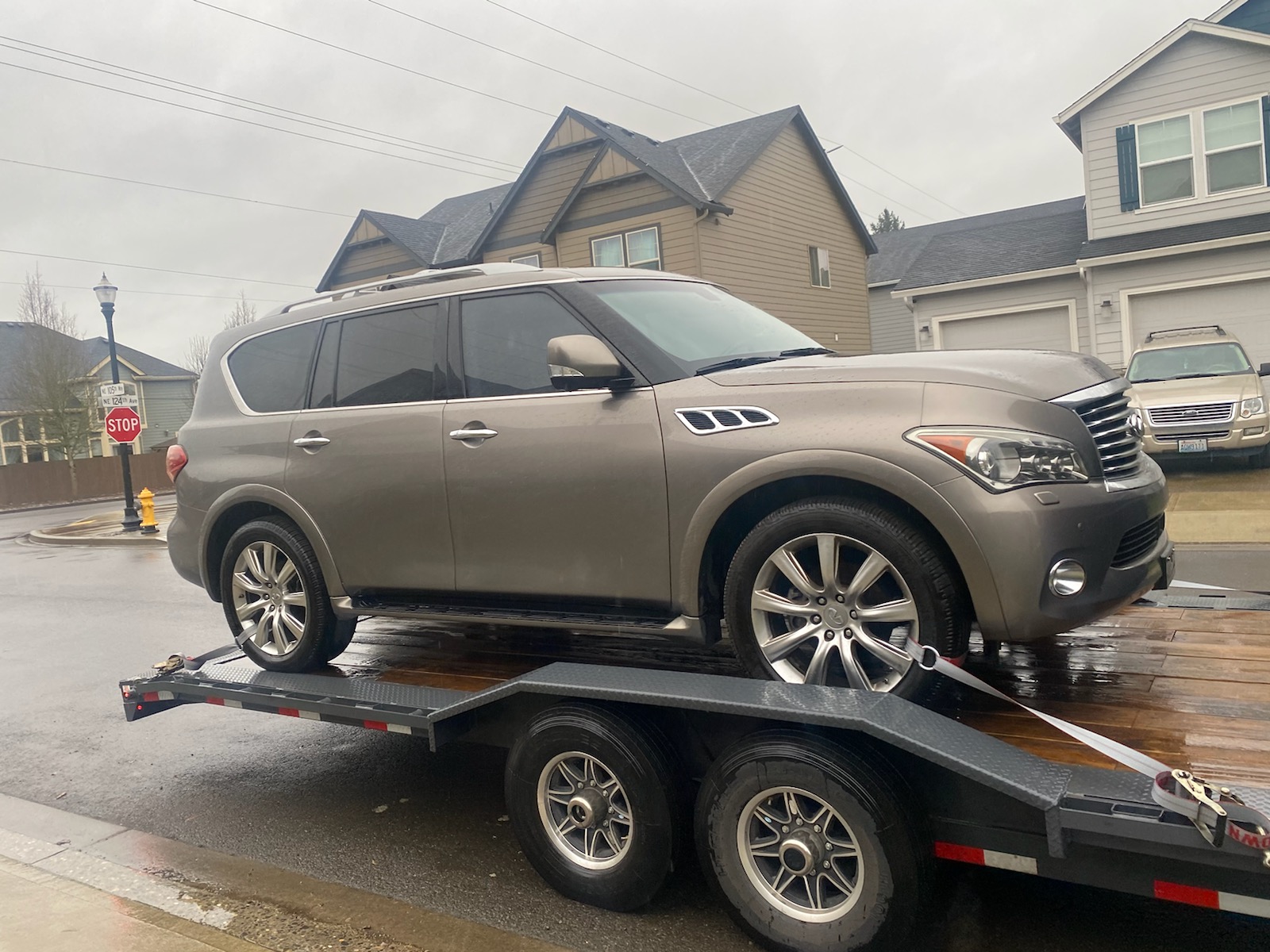
Flatbed Car Transport Cost: What to Expect in the UK
Flatbed Car Transport Cost: What to Expect in the UK
Flatbed car transport is a practical way to move a vehicle when it cannot be driven, needs extra care or must be delivered directly to a specific location. The cost depends on the journey and the vehicle, so there is no single price that applies to every booking. Understanding the main factors can help you compare quotes and choose a service that suits your needs.
How much does flatbed car transport cost?
Flatbed transport is usually priced according to the distance travelled, with the vehicle’s condition, size and collection arrangements also taken into account. A short local journey may have a minimum call-out or booking charge, while a longer journey is commonly priced using a mileage rate or a tailored quote.
Prices can vary between transport providers and may change with demand, availability and the details of the job. Treat any online estimate as a guide rather than a fixed price, and ask for a written quote based on your collection and delivery addresses.
What affects the cost?
- Distance: Longer journeys generally cost more overall. The cost per mile may differ depending on the route and whether the transporter can combine your journey with other work.
- Vehicle size and weight: Larger or heavier vehicles can require more space, equipment or handling time.
- Vehicle condition: A car that does not start, steer or roll may need winching or additional loading equipment. Tell the provider about any faults before booking.
- Collection and delivery access: Narrow roads, restricted access, underground car parks or locations where a large transporter cannot stop may require an alternative meeting point or extra arrangements.
- Timing: Same-day, urgent or out-of-hours transport may cost more than a flexible booking.
- Vehicle type: Modified, lowered, classic, prestige or otherwise specialist vehicles may need extra care or particular loading arrangements.
- Additional services: Door-to-door collection, extra stops or help with vehicle handling can affect the final price.
Why choose a flatbed?
A flatbed carries the vehicle on the transporter rather than towing it on its own wheels. This can be suitable for cars that are broken down, damaged, unroadworthy or being moved over a longer distance. It may also be preferred for vehicles where limiting road use is important.
Flatbed transport is not automatically the cheapest option. For some journeys, a shared or multi-vehicle transporter may be more economical if the car can be loaded safely and the collection and delivery locations fit the provider’s route. A flatbed can offer more direct handling and flexibility, but its availability and price depend on the job.
How to get an accurate quote
To help a transport provider give an accurate price, supply:
- the full collection and delivery postcodes;
- the vehicle’s make, model and approximate dimensions;
- whether it starts, steers and rolls;
- details of any damage, modifications or low ground clearance;
- your preferred dates and how flexible they are; and
- any access restrictions at either address.
It is also sensible to ask what the quote includes. Check whether it covers loading and unloading, any applicable insurance, VAT and additional charges for difficult access or waiting time. Confirm the expected collection window and what happens if plans change.
Ways to manage the cost
Booking in advance and being flexible with dates can give a provider more opportunity to fit the job into an existing route. Providing accurate information from the outset can also reduce the risk of extra charges on the day. If the vehicle is not at a home address, consider whether a nearby location with safe, straightforward access could be used instead.
When comparing quotes, look beyond the headline price. Check that each provider has understood the vehicle’s condition and the access arrangements, and compare the service, timing and cover included. The lowest quote may not include the same arrangements as another provider’s price.
Frequently asked questions
Is flatbed transport more expensive than towing?
It can be, but the price depends on the distance, vehicle condition and service required. Flatbed transport carries the vehicle on the transporter, while other methods may be suitable for different circumstances. Ask for quotes based on the specific vehicle and journey.
Does a non-running car cost more to transport?
It may do. A non-running vehicle can take longer to load and may require a winch or other equipment. Mention whether the car can start, steer and roll when requesting a quote.
Is insurance included in the price?
Cover can differ between providers and may be subject to terms, limits and exclusions. Ask what insurance applies while the vehicle is being transported, and check whether the cover is suitable for the vehicle’s value.
In summary
The cost of flatbed car transport in the UK depends on more than mileage. Vehicle condition, size, access, urgency and the level of service can all affect the price. Sharing accurate details and comparing clear, like-for-like quotes is the best way to understand the likely cost and avoid surprises.
8 Essential Tips to Manage Flatbed Car Transport Costs in the UK
- Compare several quotes before booking.
- Check whether the price includes VAT.
- Longer distances usually cost more.
- Larger or heavier cars may cost extra.
- Non-running vehicles can incur a loading fee.
- Ask if door-to-door delivery costs more.
- Flexible dates may help lower the price.
- Confirm insurance and any extra charges.
Compare several quotes before booking.
Compare several quotes before booking to get a clearer idea of the going rate for your flatbed car transport. Make sure each provider has the same details about your vehicle, its condition, collection and delivery locations, and preferred dates, so you can compare like for like. Check what each price includes, such as loading, insurance and any additional charges, rather than choosing on cost alone.
Check whether the price includes VAT.
When comparing flatbed car transport quotes, check whether the price includes VAT. A quote shown before VAT may be higher than the amount you ultimately pay, so ask the provider to confirm the total cost, including any applicable VAT and other charges, before booking.
Longer distances usually cost more.
Longer distances usually cost more because the transporter spends more time on the road and uses more fuel. The final price may also depend on the route, access at each end and whether your vehicle can be added to an existing journey. Compare quotes using the same collection and delivery details to get a clearer idea of the cost.
Larger or heavier cars may cost extra.
Larger or heavier cars may cost more to transport on a flatbed because they take up more space and can require equipment or extra handling. When requesting a quote, provide the vehicle’s make and model so the transporter can give an accurate price.
Non-running vehicles can incur a loading fee.
Non-running vehicles may incur an additional loading fee because they can take more time and specialist equipment to position safely on a flatbed. If the car cannot start, steer or roll, the operator may need to use a winch or other recovery tools. Mention the vehicle’s condition when requesting a quote, so the provider can confirm any extra charges in advance.
Ask if door-to-door delivery costs more.
Ask whether door-to-door delivery is included in your flatbed car transport quote or costs extra. It can be more convenient, but access restrictions, narrow roads or limited parking may mean the transporter cannot reach your exact address, potentially adding time or requiring an alternative drop-off point. Confirm the collection and delivery arrangements before booking so you understand any additional charges and know where the vehicle will be handed over.
Flexible dates may help lower the price.
Being flexible with your collection and delivery dates may help reduce the cost of flatbed car transport. If the transporter can fit your vehicle into an existing route or schedule several jobs in the same area, the journey may be more efficient. When requesting a quote, ask whether choosing a wider collection window or avoiding peak dates could offer a lower price.
Confirm insurance and any extra charges.
Before booking flatbed car transport, confirm what insurance cover is included and check any limits, exclusions or excesses, particularly if your vehicle is valuable or damaged. Ask the provider to list possible extra charges, such as fees for difficult access, winching, waiting time, out-of-hours collection or changes to the booking. Getting these details in writing helps you compare quotes accurately and avoid unexpected costs.