
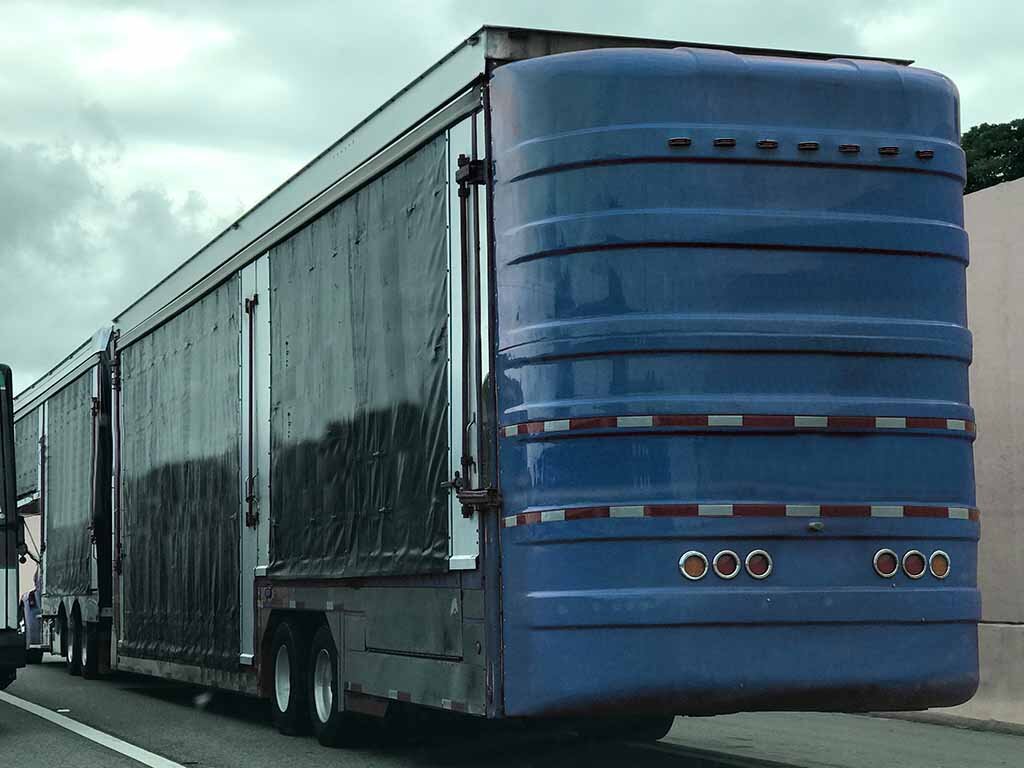
Enclosed Carrier: A Guide to Protected Car Transport
Enclosed Car Transport: What You Need to Know
An enclosed carrier transports vehicles inside a covered trailer, protecting them from the weather and much of the dust, road debris and traffic encountered during a journey. It is a popular option for owners who want additional protection for a valuable, rare or particularly delicate vehicle.
How does an enclosed carrier work?
Vehicles are loaded into a purpose-built trailer, which is enclosed on all sides and secured for transport. Depending on the carrier, cars may be loaded using ramps or a lift system. The vehicle is then secured inside the trailer to help prevent movement while it is being transported.
Enclosed carriers can vary in size and layout. Some carry one or two vehicles, while larger trailers may transport several. The arrangements available will depend on the carrier and the vehicle’s dimensions, weight and condition.
Benefits of enclosed transport
- Protection from the elements: The covered trailer helps shield a vehicle from rain, wind, sun and other weather conditions.
- Reduced exposure to road debris: An enclosed space can help limit contact with loose stones, dirt and other material thrown up on the road.
- Greater privacy: The vehicle is less visible while in transit, which can be reassuring for owners of high-value or uncommon cars.
- Careful handling: Enclosed transport is often chosen for classic, prestige, collector and competition vehicles that may need extra consideration.
Which vehicles may suit an enclosed carrier?
Enclosed transport may be worth considering for classic cars, prestige vehicles, luxury models, show cars, motorsport vehicles and other cars with a high monetary or personal value. It can also be suitable for vehicles with delicate paintwork or modifications that make them more vulnerable to damage.
For everyday vehicles, an open carrier may be a practical alternative. The right option depends on the vehicle, the route, the level of protection required and the available budget.
Enclosed transport compared with open transport
The main difference is the level of exposure during the journey. Open carriers transport vehicles on an uncovered trailer, while enclosed carriers keep them inside a covered trailer. Open transport is commonly used and can be more economical, but the vehicle is exposed to normal outdoor conditions. Enclosed transport provides an additional physical barrier, though it is usually more expensive and may have less availability.
Neither option removes every transport risk. Before booking, check what protection and insurance arrangements apply, and ask how the vehicle will be inspected and secured.
Preparing your vehicle
A few simple steps can help make collection and delivery smoother:
- Remove personal belongings and loose items from the vehicle.
- Make sure the vehicle is accessible and can be safely loaded.
- Tell the transport provider about any mechanical issues, modifications or unusual dimensions.
- Take photographs of the vehicle before collection, including any existing marks or damage.
- Agree how keys will be handed over and confirm any collection or delivery requirements.
Questions to ask before booking
Before arranging enclosed car transport, ask the provider about the expected collection and delivery arrangements, the type of trailer used, how the vehicle will be secured and what happens if access is restricted. It is also sensible to confirm the terms of the service, the applicable insurance cover and any conditions or exclusions.
Is an enclosed carrier right for you?
An enclosed carrier can offer valuable extra protection and peace of mind, particularly when transporting a vehicle that is rare, valuable or especially important to its owner. Consider the vehicle’s needs, the journey and your budget, then compare the available transport options. A reputable provider should be able to explain the arrangements clearly and help you choose a suitable service.
Top 9 Benefits of Enclosed Carriers for Vehicle Transport
- Protects vehicles from rain and harsh weather.
- Shields cars from road debris and dirt.
- Offers extra protection for valuable vehicles.
- Ideal for classic and collector cars.
- Provides greater privacy during transit.
- Helps keep paintwork cleaner.
- Reduces exposure to sun and wind.
- Offers a secure, covered transport option.
- Brings peace of mind to vehicle owners.
Challenges of Using Enclosed Carriers for Vehicle Transport
- Usually more expensive than open transport.
- Availability may be limited.
- Collection and delivery can take longer to arrange.
- Larger carriers may have restricted access on narrow roads.
Protects vehicles from rain and harsh weather.
An enclosed carrier helps protect vehicles from rain and harsh weather during transit. By keeping the vehicle inside a covered trailer, it reduces exposure to heavy showers, wind, strong sunlight and other challenging conditions, helping to keep the car dry and sheltered throughout the journey.
Shields cars from road debris and dirt.
An enclosed carrier helps protect your car from loose stones, grit, dirt and other debris kicked up during transit. By keeping the vehicle inside a covered trailer, it reduces its exposure to road spray and dust, helping to keep the exterior cleaner and lowering the risk of chips or marks along the journey.
Offers extra protection for valuable vehicles.
An enclosed carrier offers extra protection for valuable vehicles by transporting them inside a covered trailer, away from much of the rain, wind, dust and road debris encountered on the journey. This added protection can make it a reassuring choice for classic, prestige or rare cars, helping to keep them in good condition while they’re on the move.
Ideal for classic and collector cars.
An enclosed carrier is ideal for classic and collector cars, helping protect them from rain, road debris, dust and other conditions during transit. The covered trailer also keeps the vehicle out of public view, offering added peace of mind when transporting a rare, valuable or much-loved car.
Provides greater privacy during transit.
An enclosed carrier keeps your vehicle out of public view while it is being transported. This added privacy can be reassuring when moving a high-value, rare or personally important car, as fewer people can see it during the journey.
Helps keep paintwork cleaner.
An enclosed carrier helps keep a vehicle’s paintwork cleaner during transport by shielding it from rain, road spray, dust and loose debris. This can be especially useful for freshly detailed, classic or prestige cars, reducing the need for cleaning when the vehicle arrives.
Reduces exposure to sun and wind.
An enclosed carrier helps reduce a vehicle’s exposure to direct sunlight and strong winds during transport. This added protection can limit the effects of prolonged sun on the paintwork and interior, while shielding the car from wind-blown dust and debris. It’s a useful benefit for classic, prestige or otherwise delicate vehicles, as well as for owners who want extra peace of mind on the journey.
Offers a secure, covered transport option.
An enclosed carrier offers a secure, covered way to transport your vehicle, helping protect it from weather, road debris and unwanted attention during the journey. The vehicle is kept inside the trailer and secured for transit, providing added reassurance from collection to delivery.
Brings peace of mind to vehicle owners.
An enclosed carrier can give vehicle owners added peace of mind throughout the journey. With the car transported inside a covered trailer, it is shielded from the weather and has less exposure to road debris and passing traffic. This extra protection can be especially reassuring when moving a valuable, classic or cherished vehicle, allowing owners to feel more confident about its safe arrival.
Usually more expensive than open transport.
One drawback of an enclosed carrier is that it usually costs more than open transport. The covered trailer offers extra protection from weather and road debris, but has limited space and may carry fewer vehicles, increasing the cost per car. For everyday vehicles, open transport may be a more economical option; enclosed transport is often chosen when the additional protection is worth the extra expense.
Availability may be limited.
Availability may be limited because enclosed carriers are less common than open transporters and often have fewer spaces. This can make it harder to find a suitable collection date, particularly during busy periods or for routes with fewer services. Booking well in advance can improve your chances of securing a space that fits your schedule.
Collection and delivery can take longer to arrange.
One drawback of using an enclosed carrier is that collection and delivery can take longer to arrange. Enclosed transport is less widely available than standard open transport, and carriers may have limited space or need to coordinate several bookings along a route. This can mean fewer date options and a longer wait before your vehicle is collected or delivered, so it is worth booking in advance if timing is important.
Larger carriers may have restricted access on narrow roads.
One potential drawback of an enclosed carrier is that its larger size can make access difficult on narrow roads, in tight residential streets or at locations with limited turning space. This may affect where the vehicle can be collected or delivered, so it is worth checking access in advance and agreeing a suitable nearby meeting point with the transport provider if necessary.