
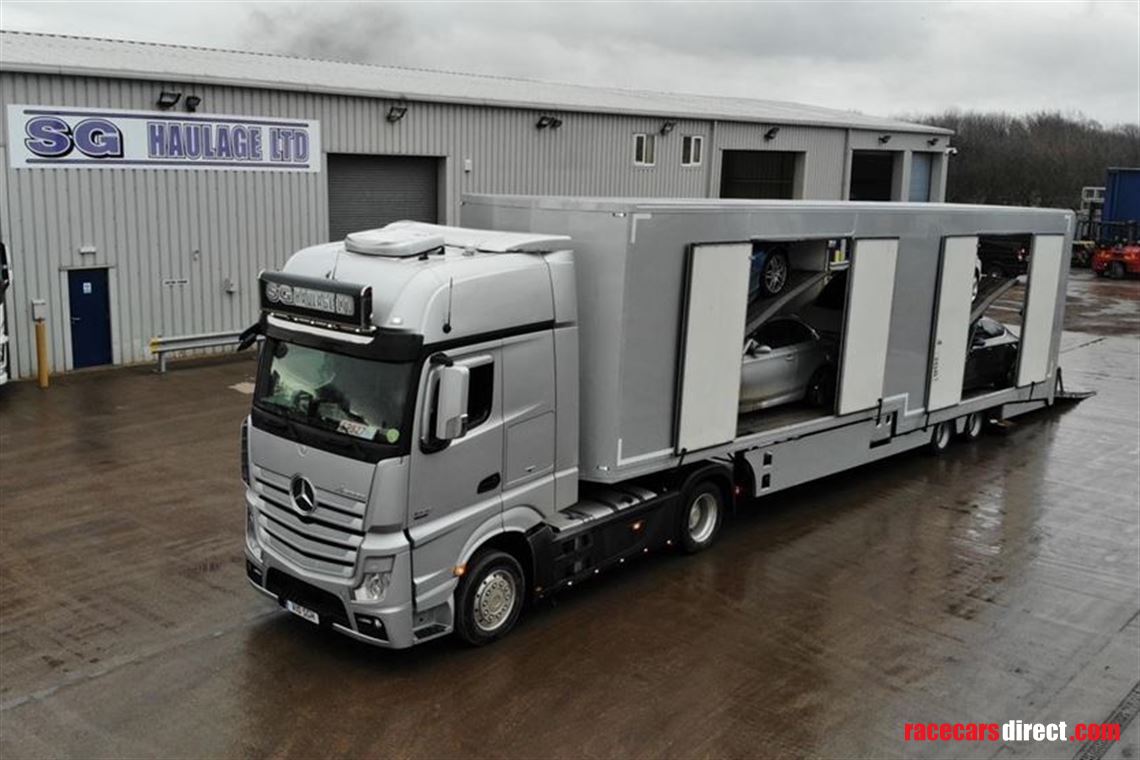
Enclosed Car Transport Truck: A Secure Way to Move Your Vehicle
Enclosed Car Transport Trucks: A Secure Way to Move Your Vehicle
An enclosed car transport truck offers a protected way to move a vehicle from one location to another. Unlike an open transporter, which carries cars on an exposed trailer, an enclosed truck surrounds the vehicle with a covered structure. This helps shield it from weather, road debris and prying eyes during transit.
Enclosed transport is often chosen for classic, prestige, performance and high-value vehicles. It can also suit owners who want extra protection for a car that is being delivered, restored or moved over a long distance.
How enclosed car transport works
The vehicle is loaded into a covered trailer or transport truck using suitable loading equipment, such as ramps or a hydraulic lift. Once secured, it remains inside the enclosure for the journey. Depending on the transporter and the service booked, the vehicle may travel alongside other cars or be carried as part of a dedicated load.
Loading and securing methods vary, so it is worth asking how the transporter will handle your particular vehicle. Low ground clearance, unusual dimensions, non-running condition or specialist modifications may affect the equipment and arrangements required.
Benefits of enclosed transport
- Protection from the elements: The covered structure helps keep rain, wind, dust and direct sunlight away from the vehicle.
- Reduced exposure to road debris: Enclosure can help protect the paintwork and body from loose stones and other debris thrown up during travel.
- Greater privacy: The vehicle is less visible while in transit, which may be appealing when transporting a valuable or distinctive car.
- Careful handling options: Some enclosed services are set up to accommodate specialist, classic or low-clearance vehicles. Always confirm the available equipment before booking.
Is enclosed transport right for your car?
Enclosed transport may be a good choice if the vehicle is particularly valuable, rare, delicate or important to you. It can also be useful when the car has a low front splitter, a modified suspension or other features that require careful loading.
For everyday vehicles, open transport may be a practical and more economical option. The right choice depends on the car’s condition and value, the route, your budget and the level of protection you want. An enclosed service does not remove every transport risk, so check what protection and insurance are included before you book.
What affects the cost?
Enclosed transport commonly costs more than open transport because the equipment carries fewer vehicles and may involve additional handling or specialist requirements. The final price can depend on:
- the collection and delivery locations;
- the distance and route;
- the vehicle’s size, weight and condition;
- whether the vehicle can be driven and loaded under its own power;
- the type of loading equipment required;
- the timing and flexibility of the collection; and
- whether the service is shared or dedicated.
Request a written quotation and check whether it includes collection, delivery, loading, unloading and any additional charges. If your vehicle is not roadworthy, mention this when asking for a quote.
Preparing your vehicle for collection
Before the transporter arrives, remove loose personal belongings and any items that are not covered by the service terms. Check the vehicle for existing marks and take dated photographs from several angles. Make sure the transporter knows about alarm systems, immobilisers, fluid leaks or other issues that could affect loading.
Agree how the keys will be handed over and confirm the collection and delivery arrangements in advance. It is also sensible to check the vehicle’s condition with the driver at both ends of the journey and keep a record of any observations.
Choosing an enclosed car transport provider
Ask providers about their experience with vehicles like yours, the type of truck they use and how the car will be secured. Confirm the collection window, delivery process and arrangements if there is a delay. You should also ask for details of the insurance in place during transport, including any limits, exclusions or excesses, and whether your own policy needs to remain active.
Clear communication and written terms make it easier to understand what to expect. A reputable transporter should be willing to explain the process and answer questions before you commit.
A protected journey for a valued vehicle
An enclosed car transport truck can provide added protection and privacy when moving a vehicle. By checking the equipment, service terms, insurance and handling arrangements beforehand, you can choose a transport option that suits your car and gives you greater confidence throughout the journey.
Top 7 Tips for Safely Transporting Your Vehicle with an Enclosed Car Transport Truck
- Choose an enclosed truck for extra protection from weather and road debris.
- Check the carrier’s insurance cover before booking.
- Confirm the truck can accommodate your vehicle’s size and clearance.
- Remove personal belongings and loose items from the car.
- Take photos of the car before collection.
- Agree collection and delivery times in advance.
- Check the vehicle carefully on delivery before signing off.
Choose an enclosed truck for extra protection from weather and road debris.
Choose an enclosed truck for added protection from rain, wind, dust and road debris during transit. The covered trailer helps shield your vehicle’s paintwork and body from the elements and loose stones, making it a popular option for classic, prestige or high-value cars. Before booking, check that the transporter’s equipment suits your vehicle and confirm what insurance cover is included.
Check the carrier’s insurance cover before booking.
Before booking an enclosed car transport truck, check the carrier’s insurance cover and confirm what it protects during loading, transit and unloading. Ask about policy limits, excesses and exclusions, and whether high-value, classic or modified vehicles need to be declared or covered separately. Request written confirmation of the arrangements, and check whether your own insurance also needs to remain in place.
Confirm the truck can accommodate your vehicle’s size and clearance.
Before booking an enclosed car transport truck, confirm that its internal dimensions can accommodate your vehicle’s length, width and height, allowing extra space for safe loading and securing. Ground clearance is equally important, particularly for cars with low suspension, front splitters or other modifications. Share your vehicle’s measurements and any relevant details with the transport provider, and ask whether the truck’s loading equipment is suitable. This helps avoid delays and reduces the risk of damage during loading.
Remove personal belongings and loose items from the car.
Before your vehicle is collected, remove personal belongings and loose items from inside the car, including items in the boot, glove compartment and door pockets. They can shift during transit, potentially damaging the interior or becoming a safety hazard when the vehicle is loaded and unloaded. Clearing the car also makes it easier to check its condition and helps avoid confusion about what is included in the transport service.
Take photos of the car before collection.
Before your car is collected, take clear, dated photographs of its exterior from several angles, along with close-ups of any existing marks or damage. If practical, photograph the interior too. These images provide a useful record of the car’s condition before transport and can help resolve any questions about its condition on delivery. Keep the photos until the vehicle has been returned and you have checked it over.
Agree collection and delivery times in advance.
Agree collection and delivery times in advance so you can plan around the vehicle’s arrival and make sure someone is available at both locations. Confirm the expected time window with the transport provider, along with who to contact if there are delays or changes to the schedule. This helps avoid missed collections, unnecessary waiting and last-minute confusion.
Check the vehicle carefully on delivery before signing off.
When your vehicle is delivered, inspect it carefully before signing the delivery paperwork or confirming that the job is complete. Check the bodywork, wheels, glass and interior in good light, and compare their condition with the photographs and notes taken before collection. If you spot any new damage or have concerns, record them clearly on the delivery documents and take photos before signing. Raising issues straight away creates a useful record and makes it easier to follow up with the transport provider.