
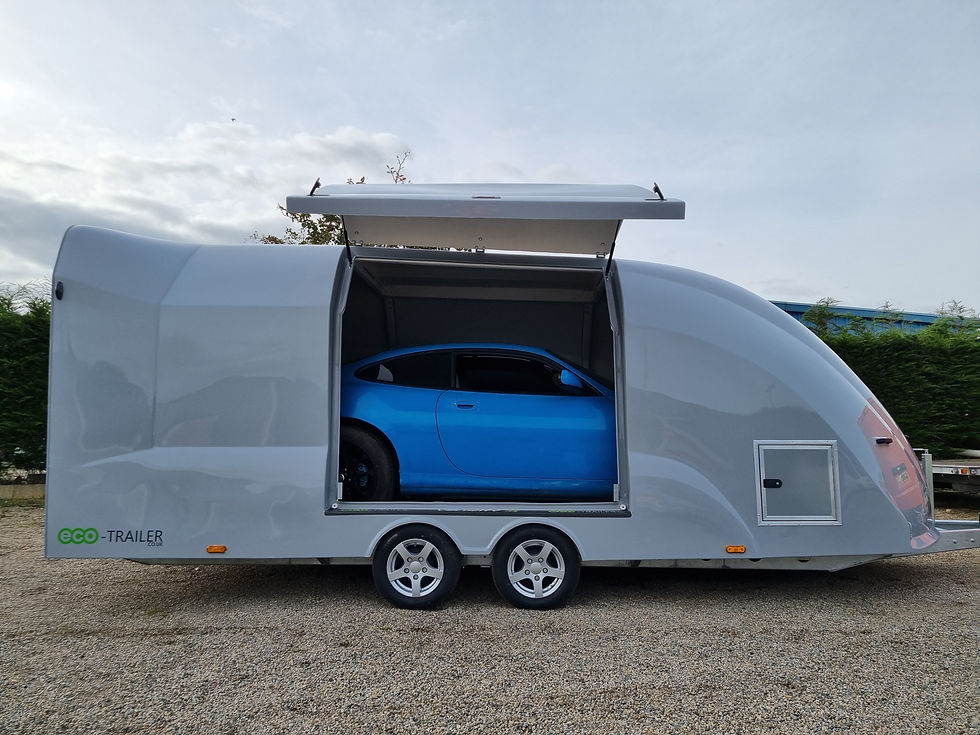
Enclosed Car Movers: Secure Transport for Valuable Vehicles
Enclosed Car Movers: A Secure Way to Transport Your Vehicle
When a vehicle needs extra protection during transit, enclosed car movers can offer a practical alternative to open transport. By carrying vehicles inside a covered trailer or transporter, they help shield them from weather, road debris and passing traffic. This can make enclosed transport a suitable choice for classic cars, prestige vehicles, sports cars and other vehicles that need particular care.
What are enclosed car movers?
Enclosed car movers transport vehicles inside a covered vehicle carrier. Unlike open transporters, which carry cars on exposed platforms, enclosed carriers surround the load with walls and a roof. Depending on the vehicle and service, loading may be carried out using ramps, a hydraulic lift or a specialist loading system.
Enclosed transport is available for a range of journeys, from moving a car locally to arranging transport over a longer distance. The right option depends on the vehicle, collection and delivery locations, timing and the level of protection required.
Why choose enclosed car transport?
- Protection from the elements: The covered carrier helps protect a vehicle from rain, wind, dust and direct sunlight during transit.
- Reduced exposure to road debris: Enclosure can limit contact with grit and debris thrown up by other vehicles.
- Greater discretion: A covered vehicle may attract less attention than one travelling on an open transporter.
- Careful handling: Enclosed services are often selected for vehicles that need specialist loading or particular attention.
- Peace of mind: For owners of valuable, rare or sentimental vehicles, the additional protection can be reassuring.
Which vehicles may benefit?
Enclosed car movers are often considered for classic and collector cars, luxury vehicles, high-performance cars, motorsport vehicles and freshly restored models. They may also be a good choice for vehicles with low ground clearance or delicate finishes. However, the suitability of a particular transporter depends on its equipment and the vehicle’s dimensions, condition and loading requirements.
Enclosed transport compared with open transport
Open transport is commonly used for standard vehicles and can be an efficient option when a covered carrier is not essential. Enclosed transport provides a higher level of shelter, but it may cost more and may have less availability. The best choice depends on how much protection the vehicle needs, the journey involved and the available budget.
When comparing quotes, check exactly what is included. Ask about collection and delivery arrangements, loading methods, insurance cover, expected timings and any restrictions on vehicle size or condition.
Preparing your vehicle for collection
A few simple steps can help the transport process run smoothly:
- Confirm the vehicle’s make, model, dimensions and running condition.
- Remove personal belongings and loose items from the vehicle.
- Check that the vehicle has enough fuel for loading and unloading, if it is driveable.
- Tell the transporter about modifications, low clearance or any mechanical issues.
- Take photographs of the vehicle before collection and note any existing damage.
- Make sure the collection and delivery points are accessible for the transport vehicle.
Choosing an enclosed car mover
Look for a transport provider that can explain its process clearly and answer questions about vehicle handling, insurance and delivery arrangements. Confirm that the carrier is appropriate for your vehicle and that the service details are set out before booking. It is also worth checking whether the quote is for door-to-door transport or collection and delivery at agreed locations.
Enclosed car movers can provide added protection for vehicles that deserve extra care. By choosing a suitable carrier and preparing your vehicle in advance, you can help make the journey more straightforward from collection through to delivery.
Essential Tips for Using Enclosed Car Movers: A Guide to Safe and Secure Transport
- Check the mover’s insurance covers your vehicle’s full value.
- Inspect the car and photograph it before collection.
- Remove loose items and disable the alarm.
- Confirm collection and delivery dates in writing.
- Check the vehicle fits the enclosed transporter’s limits.
- Read the handover report before signing.
Check the mover’s insurance covers your vehicle’s full value.
Before booking an enclosed car mover, check that its insurance covers your vehicle for its full current value while it is being loaded, transported and unloaded. Ask for details of the policy, including any excess, exclusions or limits, and confirm whether high-value, classic or modified vehicles need to be declared separately. If the cover is insufficient, consider arranging additional insurance before the journey.
Inspect the car and photograph it before collection.
Before your car is collected, inspect it carefully in good light and take clear photographs from several angles, including close-ups of any existing marks or damage. It can also help to record the mileage and note the vehicle’s condition in writing. This gives you a useful reference when the car is delivered and helps resolve any questions about its condition during transport. Share your notes and images with the transporter if needed.
Remove loose items and disable the alarm.
Before your vehicle is collected, remove loose items from the cabin, boot and door pockets so they cannot shift or cause damage during transit. It’s also a good idea to disable the alarm, as movement during loading and transport may trigger it. If the alarm cannot be switched off, let the enclosed car mover know how to silence it and provide any necessary instructions.
Confirm collection and delivery dates in writing.
Confirm dates in writing
Before booking an enclosed car mover, make sure the collection and delivery dates are confirmed in writing. This gives both you and the transport provider a clear reference, helps avoid misunderstandings and makes it easier to plan around the vehicle’s journey. If the dates are estimates rather than guaranteed, ask for that to be stated too, along with how you will be notified of any changes.
Check the vehicle fits the enclosed transporter’s limits.
Before booking, check that your vehicle fits within the enclosed transporter’s weight, height, width and length limits. Modifications such as roof racks, spoilers or lowered suspension can affect clearance and loading, so provide the transporter with accurate measurements and details. This helps confirm that the vehicle can be loaded safely and avoids delays or unexpected changes on the day.
Read the handover report before signing.
Before signing the handover report, read it carefully and check that it accurately records your vehicle’s condition, including any existing marks or damage. If you spot an error or anything you are unsure about, ask for it to be corrected or clarified before signing, and take photographs for your records. A thorough check helps ensure there is a clear, agreed record of the vehicle at collection or delivery.