
Best Vehicle Movers: How to Choose the Right Vehicle Transport Service
Best Vehicle Movers: How to Choose the Right Vehicle Transport Service
Finding the best vehicle movers is about more than choosing the lowest quote. A reliable vehicle transport service should suit your vehicle, route and timescale, while offering clear communication and appropriate care throughout the journey. Whether you need to move a car across the UK, transport a classic vehicle or arrange delivery after an online purchase, comparing a few key details can help you make a confident choice.
What do vehicle movers do?
Vehicle movers transport cars and other vehicles from one location to another. Depending on the provider and your requirements, your vehicle may be carried on an open transporter or in an enclosed vehicle. Some services collect and deliver door to door, while others use a depot or designated collection point.
Vehicle transport can be useful when buying or selling a car, relocating, moving a non-running vehicle, or arranging transport for a classic, prestige or specialist vehicle. Availability and the types of vehicles carried vary between providers, so check that the service is suitable before booking.
What makes a vehicle mover a good choice?
- Suitable transport options: The provider should be able to accommodate your vehicle’s size, condition and any special requirements.
- Clear pricing: A quote should explain what is included and flag any possible additional charges, such as waiting time or difficult access.
- Appropriate insurance: Ask what cover applies while your vehicle is in transit, and check any limits, exclusions or excesses.
- Reliable communication: You should know how collection and delivery will be arranged and who to contact if plans change.
- Realistic timings: Collection windows and delivery estimates should be explained clearly. Transport schedules can be affected by traffic, weather and route planning.
- Transparent terms: Read the booking conditions, cancellation policy and responsibilities for preparing the vehicle.
Open or enclosed transport?
Open transport is a common option for standard vehicles. Cars are carried on an open transporter, which can be an efficient choice for many journeys. As the vehicle is exposed to normal road and weather conditions, it may not be the preferred option for every customer.
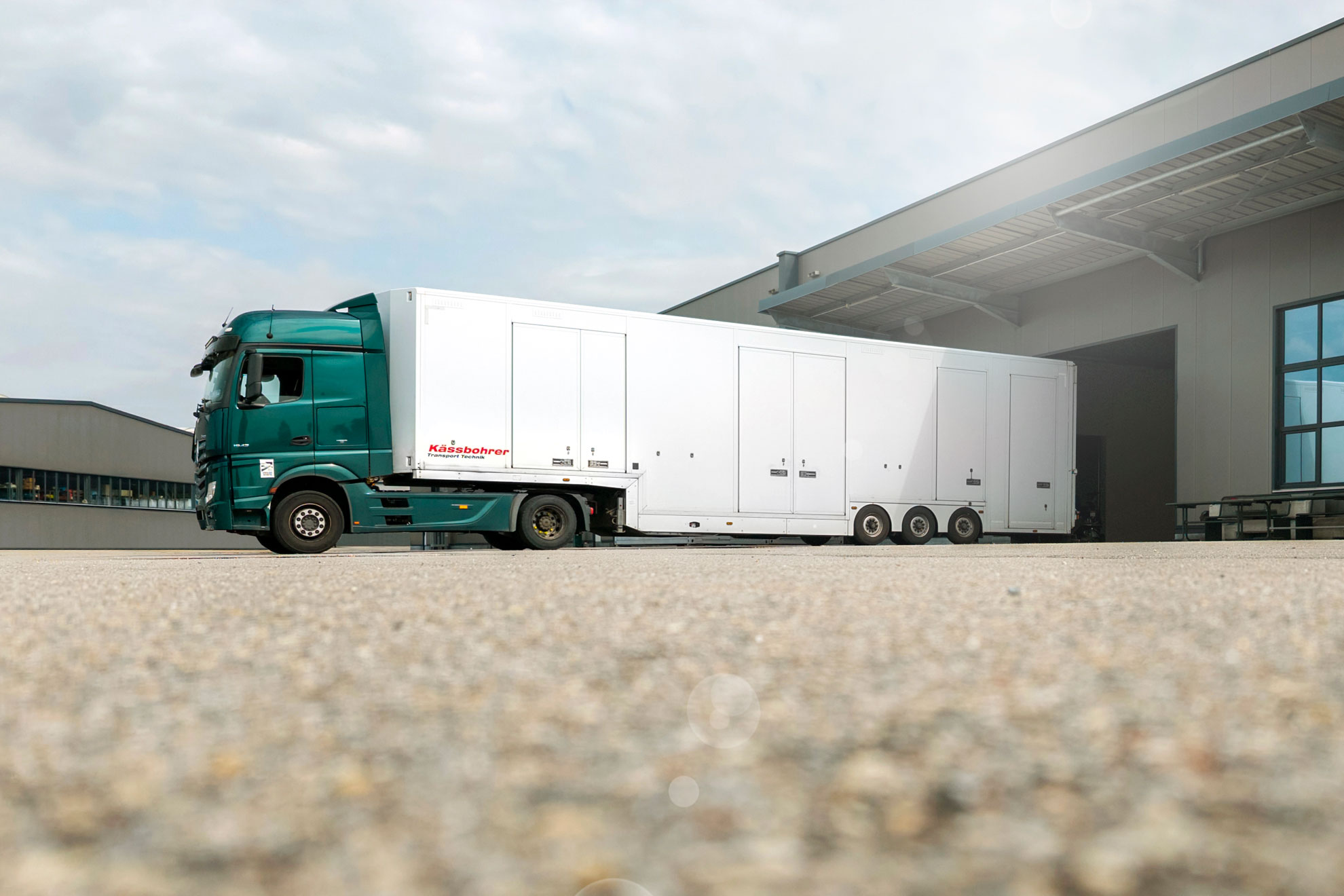
Enclosed transport carries the vehicle inside a covered transporter. It can offer extra protection from the elements and passing road debris, making it worth considering for high-value, classic or specialist vehicles. It may cost more and may not be available on every route.
The best option depends on the vehicle and your priorities. Ask the transport provider to explain the differences and confirm exactly how your vehicle will be carried.
How much does vehicle transport cost?
The price can depend on the distance, vehicle size and condition, collection and delivery locations, transport type and how quickly the move is needed. A vehicle that cannot be driven or loaded normally may require specialist equipment, which can affect the quote.
When comparing prices, make sure each quote covers the same service. Check whether the price includes collection and delivery, any applicable insurance, and the expected time window. A very low quote may not represent the same level of service as a more detailed one.
Questions to ask before booking
- Is my vehicle suitable for your service?
- Will it be moved on an open or enclosed transporter?
- What insurance applies during transport, and what are its limits?
- Is collection and delivery door to door, or will I need to use a depot?
- What are the collection and delivery timeframes?
- Are there any additional charges or access requirements?
- What should I do if the vehicle is not running?
- How should I record the vehicle’s condition before collection?
Preparing your vehicle for transport
Follow the provider’s instructions before collection. In general, it is sensible to remove personal belongings, leave only the agreed amount of fuel, secure loose parts and make sure the vehicle is accessible. Tell the mover about faults, modifications, low ground clearance or other details that could affect loading.
Before handover, take dated photographs of the vehicle’s exterior and note any existing damage. At delivery, inspect the vehicle and raise any concerns promptly in line with the provider’s terms.
Choosing the best vehicle movers for your needs
The best vehicle movers are those that provide a suitable service, explain their terms clearly and handle your vehicle with care. Compare written quotes, ask practical questions and check that the provider can meet your requirements before committing. Taking a little time to do so can make transporting your vehicle simpler and more reassuring.
Top 9 Tips for Choosing the Best Vehicle Movers in the UK
- Check the mover’s reviews and reputation.
- Confirm they’re insured for vehicle transport.
- Compare written quotes, including extra charges.
- Ask whether transport is open or enclosed.
- Check the mover’s vehicle collection and delivery options.
- Agree a clear collection and delivery window.
- Photograph your vehicle before handover.
- Read the contract and cancellation terms.
- Choose a mover with clear, responsive communication.
Check the mover’s reviews and reputation.
Check the mover’s reviews and reputation before booking. Look for feedback across several independent platforms, paying attention to comments about communication, punctuality, vehicle care and how problems are resolved. A consistent record of recent, detailed reviews can offer useful reassurance, while repeated complaints or vague testimonials may be a reason to ask further questions. Remember that reviews are one part of your decision, so consider them alongside the mover’s insurance, service terms and written quote.
Confirm they’re insured for vehicle transport.
Before booking, confirm that the vehicle mover has insurance covering vehicles while they are being transported. Ask what the policy includes, check any limits, exclusions or excesses, and make sure the cover is suitable for your vehicle’s value and type. Don’t assume that standard business insurance automatically covers the vehicle in transit; request written confirmation if anything is unclear.
Compare written quotes, including extra charges.
Compare written quotes from several vehicle movers to understand exactly what each service includes. Check whether the price covers collection and delivery, insurance and any waiting time, and ask about possible extra charges for remote locations, difficult access, a non-running vehicle or changes to the booking. Comparing like for like helps you avoid unexpected costs and choose a service that offers good value.
Ask whether transport is open or enclosed.
Ask whether your vehicle will be transported on an open or enclosed carrier, as each option offers different benefits. Open transport is commonly used and can be a cost-effective choice for many vehicles, while enclosed transport provides extra protection from the weather and road debris. Check which option is included in your quote and choose one that suits your vehicle, budget and peace-of-mind requirements.
Check the mover’s vehicle collection and delivery options.
Check the vehicle mover’s collection and delivery options before booking. Some providers offer door-to-door transport, while others require you to drop off or collect your vehicle from a depot or convenient meeting point. Confirm that the service covers your locations, ask about access restrictions and find out whether collection and delivery are arranged for specific times or within a time window. Choosing an option that fits your schedule and location can help avoid delays and unexpected costs.
Agree a clear collection and delivery window.
Agree a clear collection and delivery window before booking your vehicle move. Confirm when the vehicle is expected to be collected and delivered, and check whether the times are fixed or approximate. A realistic window helps you plan, arrange access and avoid unnecessary waiting. Ask the mover how they will keep you updated if traffic, weather or other delays affect the schedule.
Photograph your vehicle before handover.
Photograph your vehicle before handing it over to the transport company. Take clear, dated images of all sides, the wheels, windscreen and any existing marks or damage. These photos provide a useful record of the vehicle’s condition at collection and can help resolve any queries after delivery.
Read the contract and cancellation terms.
Before booking, read the contract and cancellation terms carefully so you know exactly what the service includes and what happens if your plans change. Check the collection and delivery arrangements, payment requirements, any extra charges and the provider’s policy on delays or cancellations. If anything is unclear, ask for an explanation in writing before confirming your booking.
Choose a mover with clear, responsive communication.
Choose a vehicle mover that communicates clearly and responds promptly to your questions. Before booking, check that they explain the price, collection and delivery arrangements, expected timings and any insurance cover in straightforward terms. Reliable updates throughout the journey can help you plan ahead and quickly resolve any changes or concerns.