
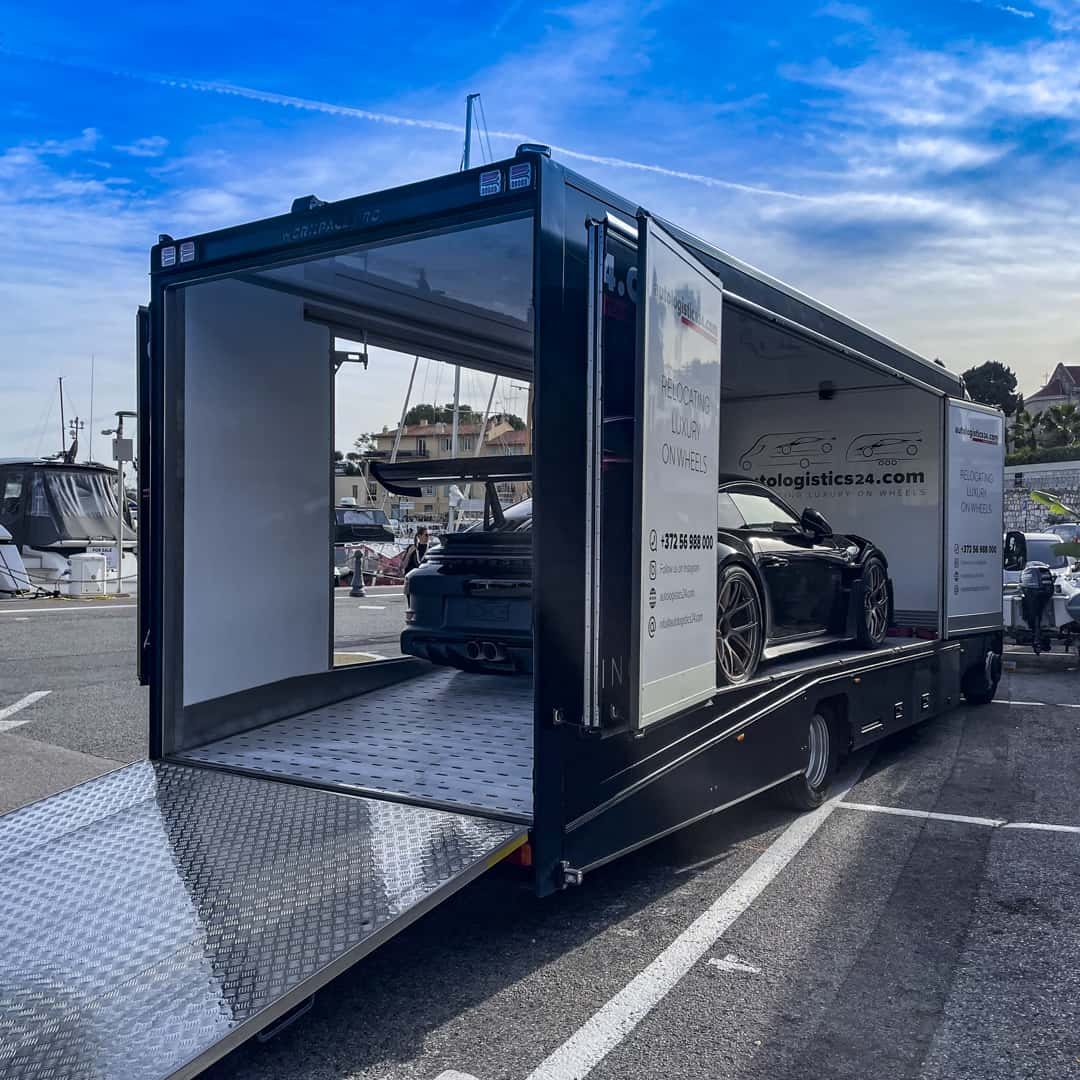
Enclosed Car Carrier Service: Protected Transport for Your Vehicle
Enclosed Car Carrier Service: Added Protection for Your Vehicle
When a vehicle needs to be transported, the journey should be planned around its condition, value and destination. An enclosed car carrier service offers a more protected way to move a vehicle, keeping it inside a covered trailer rather than exposed on an open transporter.
This option is often chosen for classic cars, prestige vehicles, sports cars, restored vehicles and cars that are not regularly driven. It can also suit owners who simply want extra protection during transport.
What is an enclosed car carrier?
An enclosed car carrier is a specialist vehicle transporter with solid sides and a roof. The vehicle is loaded into the trailer and secured for the journey, shielding it from direct exposure to rain, road spray, dust and much of the debris encountered on the road.
Enclosed transport is different from open car transport, where vehicles are carried on an uncovered trailer. Both methods can be suitable, but the right choice depends on the vehicle, route, budget and level of protection required.
Why choose enclosed car transport?
- Protection from the elements: A covered trailer helps protect a vehicle from rain, wind, dust and road grime during transit.
- Greater privacy: The vehicle is less visible while being transported, which may be important for owners of valuable or distinctive cars.
- Suitable for special vehicles: Enclosed transport is commonly considered for classics, performance cars, collector vehicles and carefully restored cars.
- Careful handling: Specialist transport arrangements can be discussed to suit the vehicle’s dimensions, ground clearance and condition.
Enclosed transport provides an additional layer of protection, but no transport method can remove every risk. Before booking, ask the provider how the vehicle will be loaded, secured and covered during the journey.
Which vehicles may benefit from an enclosed carrier?
An enclosed car carrier may be a good choice if a vehicle has a high value, delicate finish or particular handling requirements. Owners often consider it for classic and vintage cars, luxury vehicles, sports cars, show cars, motorsport vehicles and vehicles being moved after restoration.
It can also be appropriate for low-clearance cars that need careful loading. Sharing details such as the vehicle’s make and model, ground clearance, modifications and running condition helps the transporter assess what equipment and arrangements may be needed.
Enclosed or open transport?
Open transport is a practical and widely used option for many everyday vehicles. It may be more economical and suitable for routine journeys. Enclosed transport generally offers more protection from external conditions, but it may cost more and availability can vary depending on the route and carrier.
When comparing options, consider the vehicle’s value and condition, the distance of the journey, collection and delivery arrangements, timing and your preferred level of protection. A reputable transport provider should explain the available options clearly so you can make an informed decision.
What affects the cost of an enclosed car carrier service?
The price of enclosed car transport can depend on several factors, including:
- the distance and route;
- the vehicle’s size, weight and ground clearance;
- whether the vehicle is running or requires special loading arrangements;
- collection and delivery access;
- the requested dates and availability of a suitable carrier; and
- any additional services or specific handling requirements.
Providing accurate information when requesting a quote helps the transporter assess the job properly. It is also sensible to confirm what is included in the quoted price and to ask about insurance and the claims process before booking.
Preparing your vehicle for transport
Before collection, remove personal belongings and loose items from the vehicle, unless the transport provider has agreed otherwise. Take photographs of the vehicle’s condition, note any existing damage and make sure the transporter is aware of any mechanical issues or unusual features.
Agree the collection and delivery details in advance, including access restrictions, contact numbers and any requirements for keys. If the vehicle has an alarm, immobiliser or specialist starting procedure, explain how it works to the driver.
Choosing an enclosed car transport provider
When arranging an enclosed car carrier service, look for clear communication and a provider willing to discuss the vehicle’s specific needs. Check the details of the service, including collection and delivery arrangements, expected timings, insurance cover and how the vehicle will be secured. Ask questions if anything is unclear, and make sure the agreed arrangements are confirmed before the journey begins.
A considered way to move a special vehicle
Enclosed car transport offers extra shelter and privacy for vehicles that deserve particular care. By choosing a suitable carrier and sharing accurate information about your vehicle, you can help ensure the transport arrangements are appropriate for the journey. Whether moving a classic, a performance car or a treasured vehicle, an enclosed carrier can provide reassurance from collection through to delivery.
Enclosed Car Transport FAQs: Costs, Earnings, Towing Laws and the 12-Car Rule
- How much do car transporters make per month?
- Is it legal to tow a car with a rope?
- What is the 12 car rule?
- How much do car transporters cost?
How much do car transporters make per month?
There is no fixed monthly income for car transporters in the UK. Employed drivers usually receive an agreed wage, while self-employed operators’ earnings depend on the number and type of jobs they complete, routes, vehicle capacity and seasonal demand. For enclosed transport businesses, higher-value specialist work may bring in more per booking, but this must be balanced against costs such as fuel, vehicle finance, maintenance, insurance and permits. It is also important to distinguish a business’s monthly turnover from the operator’s actual take-home income.
Is it legal to tow a car with a rope?
In the UK, towing a car with a rope is generally permitted only in limited circumstances, such as moving a disabled vehicle a short distance to a place of safety, and the driver must remain in control of the vehicle. Towing on a motorway is not allowed, and other road rules and safety requirements apply. As the rules can depend on the situation, a rope is not a suitable alternative to professional vehicle transport for a longer journey. If a car cannot be driven safely, arrange recovery or an enclosed car carrier service instead.
What is the 12 car rule?
The “12 car rule” is not a standard UK legal rule for enclosed car transport. The phrase is sometimes used to describe the number of vehicles a transporter can carry, but actual capacity depends on the carrier’s design and the size and dimensions of the vehicles. An enclosed carrier may take far fewer than 12 cars, so it is best to check the vehicle capacity and arrangements directly with the transport provider.
How much do car transporters cost?
The cost of a car transporter depends on factors such as the distance, vehicle size and condition, collection and delivery locations, timing and whether you choose enclosed or open transport. Enclosed car transport usually costs more because it offers additional protection and uses specialist equipment. For an accurate quote, provide the transporter with your vehicle details, preferred dates and collection and delivery postcodes, and check what is included in the price, including insurance and any additional charges.