
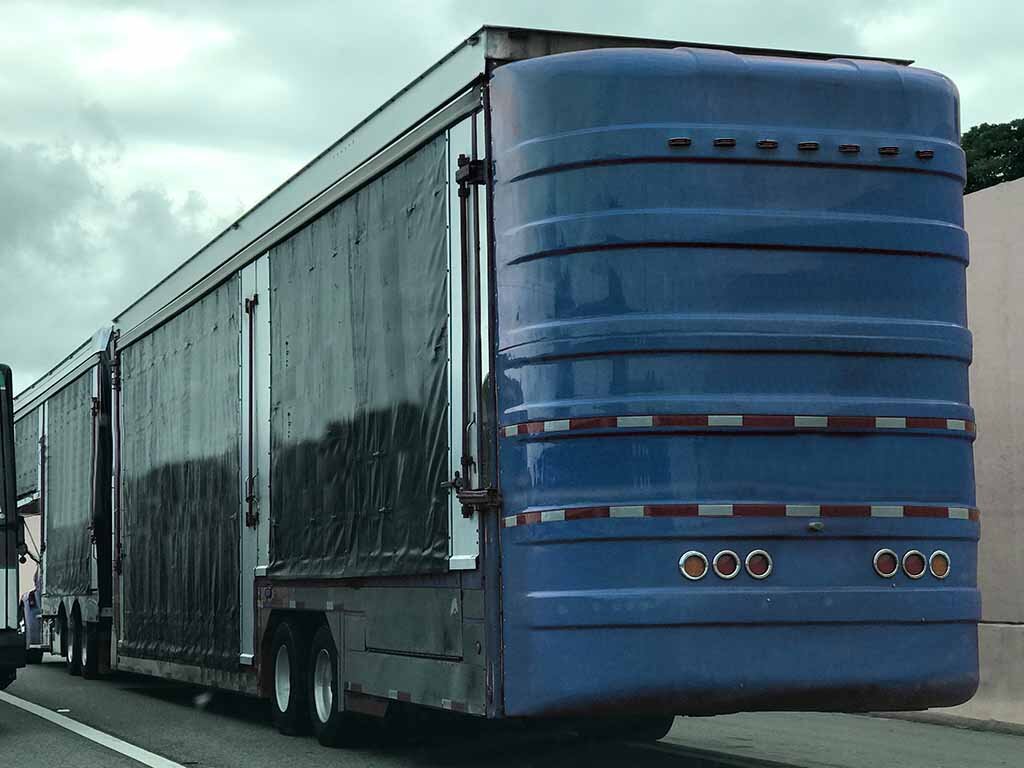
Enclosed Car Carrier Truck: A Guide to Safe and Protected Vehicle Transport
Enclosed Car Carrier Trucks: A Guide to Protected Vehicle Transport
An enclosed car carrier truck is designed to transport vehicles inside a covered trailer or body, shielding them from direct exposure to the weather and road conditions during transit. It can be a suitable option for classic cars, luxury vehicles, motorsport cars and other vehicles that need extra protection while being moved.
How does an enclosed car carrier work?
Vehicles are loaded into an enclosed carrier and secured for the journey. Depending on the vehicle and the carrier’s design, loading may be carried out using ramps, a hydraulic lift or other specialist equipment. Inside the carrier, the vehicle is positioned and restrained to help prevent movement during transit.
Enclosed carriers vary in size and capacity. Some are intended to move a single vehicle, while larger trailers can carry several cars. The right type depends on the vehicle’s dimensions, weight, condition and any particular loading requirements.
Benefits of enclosed transport
- Protection from the elements: The covered space helps shield vehicles from rain, wind, road spray, dust and direct sunlight.
- Reduced exposure during transit: The vehicle is not openly exposed to passing traffic or roadside debris in the same way as it may be on an open transporter.
- More discreet movement: Keeping a vehicle inside the carrier can offer additional privacy while it is being transported.
- Careful handling options: Some enclosed transport services offer equipment or procedures suited to low-clearance, valuable or specialist vehicles. It is important to confirm what is available before booking.
Enclosed transport does not remove every possible transport risk. Customers should check the carrier’s insurance arrangements, vehicle-handling process and terms before confirming a booking.
Which vehicles may benefit from enclosed transport?
An enclosed car carrier may be worth considering for:
- Classic, vintage or restored cars
- Luxury or high-value vehicles
- Motorsport and track cars
- Show cars and collector vehicles
- Vehicles with delicate finishes or specialist modifications
- Cars with low ground clearance, subject to the carrier’s loading arrangements
For everyday vehicles, open transport may be a practical alternative. The best choice depends on the vehicle, the journey, the level of protection required and the available budget.
What affects the cost?
Enclosed transport is often more expensive than open transport because enclosed carriers have limited space and may involve specialist equipment or handling. The final price can depend on the collection and delivery locations, distance, vehicle size and weight, accessibility, timing and whether the vehicle is running.
When comparing quotes, check what is included. Ask about collection and delivery arrangements, insurance, any additional charges and whether the quoted service is dedicated or shared with other vehicles.
Preparing a vehicle for collection
A few simple steps can help make collection and delivery smoother:
- Remove personal belongings and loose items from the vehicle.
- Tell the transport company about any damage, modifications or unusual features.
- Confirm whether the vehicle starts, steers and brakes, and explain if it does not.
- Check that the vehicle’s alarm and any security devices can be managed during loading.
- Take photographs of the vehicle before collection and review its condition on delivery.
- Make sure the collection and delivery points can accommodate the carrier, or agree a suitable nearby meeting point.
Choosing an enclosed car transport service
Before booking, ask how the vehicle will be loaded and secured, what insurance applies during transit and how updates will be provided. It is also sensible to confirm the estimated collection and delivery windows, cancellation terms and the process for recording the vehicle’s condition.
For a valuable or specialist car, share accurate details in advance, including its dimensions, ground clearance, running condition and any loading restrictions. This helps the transport provider determine whether its carrier is suitable.
Is an enclosed car carrier right for you?
An enclosed car carrier truck can provide added protection and discretion for vehicles that need particularly careful handling. It may be a good choice for a valuable, rare or modified car, while open transport may suit routine vehicle moves. Comparing the available services and asking clear questions can help you choose the right option for your vehicle and journey.
Understanding Enclosed Car Carrier Lorries: FAQs on Names, Weight Limits, Purchasing, and Licensing in the UK
- What is a lorry that carries cars called?
- Can I put 500kg in my car?
- Where can I find an enclosed car transporter for sale in the UK?
- What licence do you need for a car transporter?
What is a lorry that carries cars called?
A lorry that carries cars is commonly called a car transporter or car carrier. If the vehicles are carried inside a covered trailer for extra protection from the weather and road debris, it is known as an enclosed car transporter or enclosed car carrier truck. Car transporters come in different sizes, from vehicles designed to move one car to larger lorries that can carry several.
Can I put 500kg in my car?
Whether you can carry 500kg in your car depends on its permitted payload, which includes passengers, luggage and anything else inside it. Check the vehicle handbook and the maximum vehicle weight shown on the manufacturer’s plate; never exceed the limit. If the car is being moved on an enclosed car carrier, tell the transport company about any items inside before booking, as extra weight or loose belongings may affect safe loading and may not be covered by the carrier’s insurance.
Where can I find an enclosed car transporter for sale in the UK?
You can find an enclosed car transporter for sale in the UK through specialist commercial vehicle dealers, trailer manufacturers and online vehicle marketplaces. Search for both new and used options, and compare the transporter’s dimensions, carrying capacity, loading equipment and condition. Before buying, check that it is suitable for the vehicles you intend to carry, meets relevant road-safety requirements and has a clear service and inspection history. For a used transporter, arrange an independent inspection and confirm the seller’s ownership documents before completing the purchase.
What licence do you need for a car transporter?
In the UK, the licence you need depends on the car transporter’s maximum authorised mass (MAM) and whether it is towing a trailer. Category C1 generally covers vehicles from 3.5 to 7.5 tonnes, while Category C is needed for rigid vehicles over 3.5 tonnes; towing a heavier trailer may require C1E or CE. Smaller transporter vehicles may be driven on a Category B licence, subject to the vehicle and trailer weight limits shown on your entitlement. If driving commercially, you may also need Driver CPC, and an operator’s licence may be required for certain transport businesses. Check the vehicle’s plated weights and your driving-licence entitlements with the DVLA before setting off.