
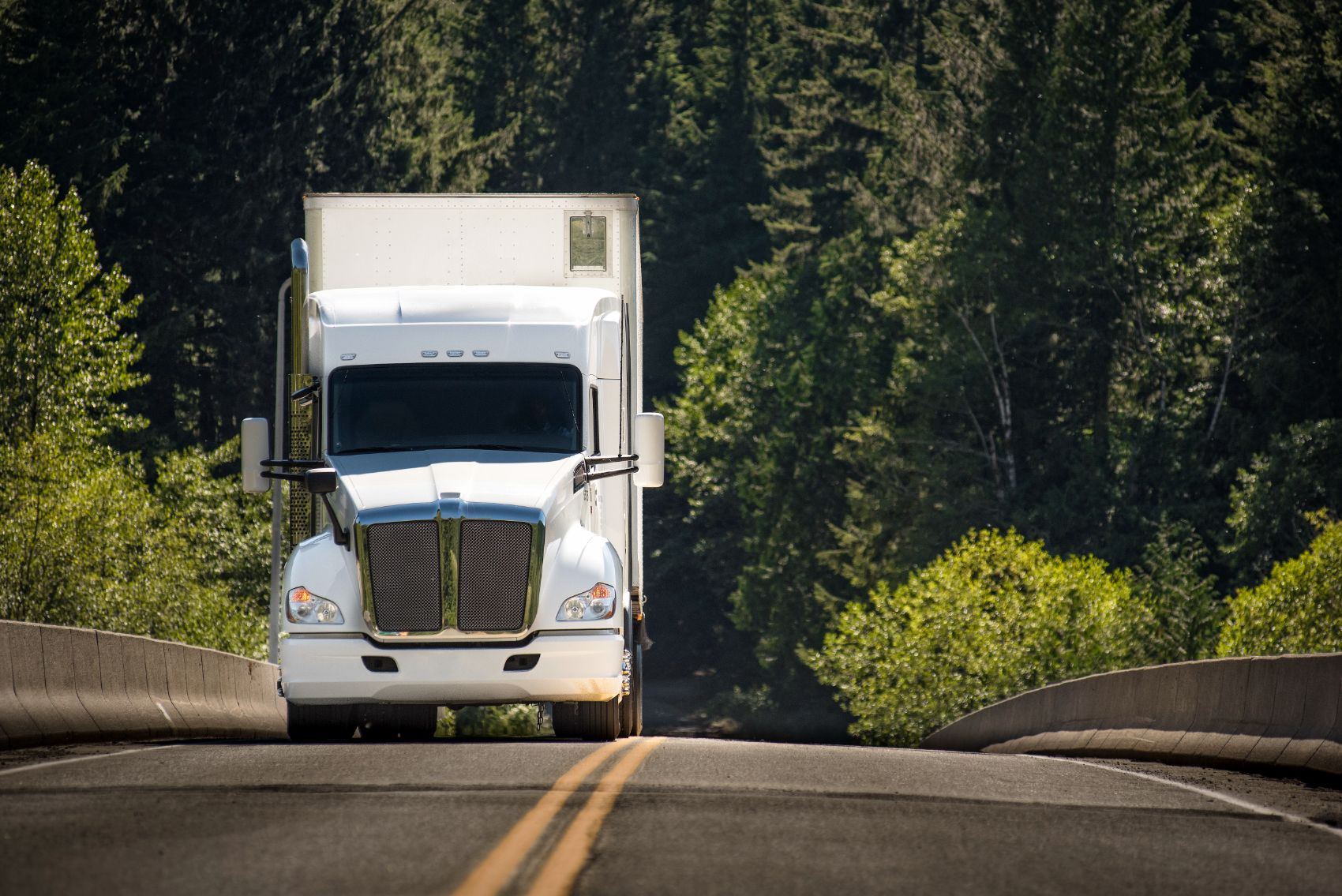
Enclosed Auto Shipping Companies: How to Choose the Right Vehicle Transport Service
Enclosed Auto Shipping Companies: What to Know Before You Book
When a vehicle needs extra protection during transport, an enclosed auto shipping company may be the right choice. Unlike open transport, which carries vehicles on an uncovered trailer, enclosed transport places them inside a covered vehicle carrier. This can help shield a car from weather, road debris and public view while it is being moved.
Enclosed vehicle transport is commonly considered for classic, luxury, performance and collector cars. It can also suit vehicles with a high monetary or sentimental value, or those that need to arrive in especially clean condition. Here is how the service works and what to look for when comparing providers.
What does an enclosed auto shipping company do?
An enclosed auto shipping company arranges or provides transport using a covered trailer or vehicle carrier. Depending on the provider and the service booked, the vehicle may be collected and delivered door to door, or moved between designated collection points. Some companies operate their own transporters, while others arrange carriage through a network of transport partners, so it is worth asking who will actually move the vehicle.
Enclosed carriers vary in size and design. A single-car transporter may offer a more bespoke service, while a larger enclosed carrier can carry several vehicles on one journey. The available option will depend on the vehicle, route, access at collection and delivery points, and the company’s schedule.
Benefits of enclosed vehicle transport
- Protection from the elements: A covered trailer helps protect a vehicle from rain, road spray, dust and direct sunlight during transit.
- Reduced exposure to road debris: Enclosure can limit contact with stones and other debris kicked up by traffic.
- Greater privacy: The vehicle is less visible while being transported, which may be important for rare or high-value cars.
- Careful handling options: Some providers offer equipment and procedures suited to low-clearance, non-running or delicate vehicles. Confirm what is available before booking.
Enclosed transport can reduce certain risks, but it cannot remove every risk associated with moving a vehicle. Ask the company how it handles loading, securing and unloading, and what happens if the vehicle is delayed or damaged.
Enclosed transport compared with open transport
Open transport is a widely used option and is often more economical. The vehicle travels on an uncovered transporter, exposed to ordinary road and weather conditions. Enclosed transport provides a covered environment and is generally more specialised, so it usually costs more and may have less availability.
The right choice depends on the vehicle and your priorities. For an everyday car, open transport may be suitable. For a restored classic, a prestige model or a vehicle that needs additional protection, the extra cost of an enclosed service may be worthwhile.
How to choose an enclosed auto shipping company
Before requesting a quote, provide accurate details about the vehicle, including its make, model, dimensions, condition and whether it can be driven. Mention modifications such as a lowered suspension, wide bodywork or non-standard tyres. Also explain any access restrictions at the collection or delivery address.
When comparing companies, consider the following:
- Insurance: Ask what cover applies while the vehicle is in transit, what its limits and exclusions are, and whether you need to arrange additional cover.
- Transport arrangements: Find out whether the company uses its own carrier or a third-party operator, and who will be your contact during the move.
- Loading method: Ask how the vehicle will be loaded and secured, particularly if it has low ground clearance or cannot be driven.
- Collection and delivery: Check whether the quote is for door-to-door service, a depot-to-depot service or another arrangement.
- Timing: Confirm the estimated collection and delivery windows. Transport schedules can be affected by route planning, traffic and access.
- Written terms: Read the contract, cancellation policy and claims procedure before making a booking.
- Reviews and credentials: Look for consistent customer feedback and check the company’s business details. In the UK, ask relevant questions about operator and insurance arrangements rather than relying on a general claim of being “fully covered”.
What affects the price?
The cost of enclosed auto transport depends on factors such as the distance, route, vehicle size and weight, collection and delivery access, timing and the type of carrier required. A non-running vehicle or one that needs specialist loading may also affect the price. Seasonal demand and the availability of enclosed transporters can influence quotes too.
Request a written quotation that explains what is included. A very low price may not cover every service you expect, so compare the terms as well as the total cost.
Preparing your car for transport
Before collection, remove personal belongings and loose items, and make sure the vehicle is in the agreed condition. Take clear photographs of the exterior and interior, noting any existing marks. Keep only the amount of fuel recommended by the transport company, and provide keys and any relevant operating instructions. If the car has special starting, braking or loading requirements, explain these in advance.
Making an informed choice
Enclosed auto shipping companies offer a more protected way to move vehicles, particularly when condition, privacy or careful handling is a priority. The best provider is one that explains its service clearly, gives a detailed written quote and answers questions about insurance, handling and delivery. Comparing these details can help you choose transport that suits both your vehicle and your budget.
5 Tips for Choosing an Enclosed Car Transport Company
- Check the company’s insurance covers your car’s full value.
- Compare written quotes, including collection and delivery fees.
- Ask whether the vehicle will travel alone or with others.
- Check reviews and confirm the company is properly licensed.
- Photograph your car before collection and inspect it on delivery.
Check the company’s insurance covers your car’s full value.
Before booking, ask the enclosed auto shipping company to confirm in writing that its insurance covers your car for its full current value while it is being transported. Check the policy limit, excess and any exclusions, as cover may vary by vehicle or circumstance. If the available protection is not sufficient, ask whether additional cover is available or arrange suitable cover separately.
Compare written quotes, including collection and delivery fees.
Compare written quotes from several enclosed auto shipping companies, checking that each covers the same service. Look beyond the headline price and confirm whether collection and delivery fees, additional handling, insurance and any access-related charges are included. A clear, itemised quote makes it easier to compare providers fairly and reduces the chance of unexpected costs later.
Ask whether the vehicle will travel alone or with others.
Ask whether your vehicle will be transported on its own or alongside other vehicles. A dedicated journey may offer more flexibility around collection and delivery times, while sharing an enclosed carrier can reduce the cost. Check how the company plans and secures the load, and whether carrying other vehicles could affect the estimated schedule.
Check reviews and confirm the company is properly licensed.
Before booking an enclosed auto shipping company, read recent customer reviews across several independent platforms to get a balanced picture of its reliability, communication and vehicle-handling standards. Check how the company responds to complaints, as well as its overall rating. Confirm that it is properly licensed and authorised to provide the service in the relevant locations, and ask for its registration and insurance details if they are not clearly available. These checks can help you choose a reputable provider and avoid unexpected problems.
Photograph your car before collection and inspect it on delivery.
Before your car is collected, take clear, well-lit photographs of its exterior and interior, including any existing marks or damage. These provide a useful record of its condition before transport. When the vehicle is delivered, inspect it carefully in good light and compare it with your photographs before signing the delivery paperwork. If you notice any new damage, record it on the paperwork and contact the transport company promptly, following its claims procedure.