
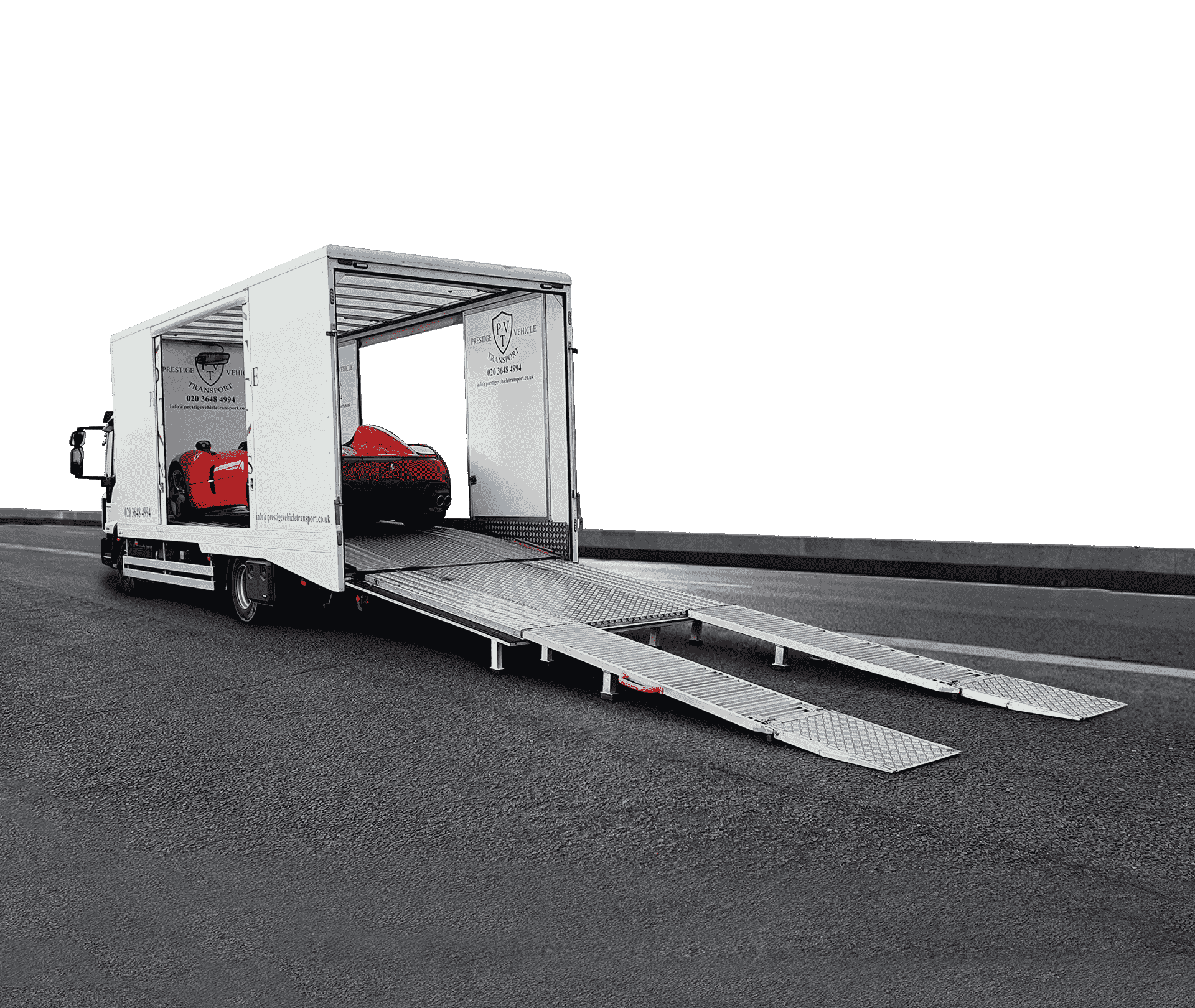
Covered Auto Transport Companies: How to Choose the Right Enclosed Car Transport Service
Covered Auto Transport Companies: A Guide to Enclosed Car Transport
When a vehicle needs to be moved, protection during the journey can matter just as much as getting it to the right destination. Covered auto transport companies use enclosed vehicles to shield cars from weather, road debris and much of the exposure associated with open transport. This can make enclosed transport a suitable choice for classic, high-value, prestige, competition or newly restored vehicles.
In the UK, the service is often described as enclosed car transport, covered vehicle transport or enclosed vehicle delivery. The exact service offered varies between operators, so it is important to check what is included before booking.
What is covered auto transport?
Covered auto transport involves carrying a vehicle inside an enclosed trailer or transporter rather than on an exposed vehicle carrier. The vehicle is loaded, secured and moved within the enclosed space, reducing its exposure to rain, wind, dust, grit and road spray.
Enclosed transport is not the same as simply placing a cover over a car on an open transporter. A car cover may shift during transit and can potentially rub against the paintwork. With an enclosed service, the vehicle is carried inside the transport unit, although the level of protection and loading arrangements depend on the equipment used.
Why choose an enclosed vehicle transporter?
- Protection from the elements: Enclosure helps guard against rain, snow, sun, wind and airborne dirt during transit.
- Reduced exposure to road debris: The vehicle is less exposed to stones, grit and other material thrown up by traffic.
- Greater privacy: The vehicle is not on public display in the same way as it would be on an open carrier.
- Suitable for specialist vehicles: Owners may prefer enclosed transport for classics, prestige cars, sports cars, motorsport vehicles and restored models.
- Careful handling options: Some operators offer equipment or loading methods designed for low-clearance or non-running vehicles. These should be confirmed in advance.
Enclosed transport can reduce certain transit risks, but no transport method can remove every possibility of damage. Check the company’s insurance arrangements, terms and condition-reporting process before agreeing to a booking.
Who might benefit from covered car transport?
Covered transport may be worth considering when a vehicle has a high monetary or sentimental value, delicate paintwork, a low ride height or a specialised specification. It can also be useful when moving a vehicle to an exhibition, auction, storage facility, specialist workshop or motorsport event.
For everyday vehicles making a routine journey, an open transporter may be a more economical option. The right choice depends on the vehicle, the route, the owner’s priorities and the available budget.
How much does covered auto transport cost?
Enclosed transport usually costs more than open transport because enclosed vehicles carry fewer cars and may involve higher operating costs. The final price can depend on:
- the collection and delivery locations;
- the distance and route;
- the vehicle’s size, weight and condition;
- whether the vehicle runs and can be driven onto the transporter;
- the type of loading equipment required;
- whether collection and delivery are door-to-door or at agreed locations;
- the timing, flexibility and availability of the service.
Quotes should be compared on a like-for-like basis. A low price may not include the same level of cover, collection arrangements or specialist handling as another quote. Ask for the full cost and any additional charges in writing.
What to look for in a covered auto transport company
A reliable provider should be able to explain how the vehicle will be collected, secured, transported and delivered. Before booking, consider asking the following questions:
- Is the vehicle carried fully inside an enclosed transporter?
- What insurance applies during loading, transit and unloading?
- What are the insurance limits, exclusions and excess?
- How will the car’s condition be recorded at collection and delivery?
- Can the company transport non-running, modified or low-clearance vehicles?
- What loading equipment is used, and is it suitable for the vehicle?
- Are the collection and delivery dates fixed or estimated?
- Will the company provide updates while the vehicle is in transit?
- Are there extra fees for difficult access, waiting time or changes to the booking?
It is also sensible to check the company’s business details, customer feedback and written terms. For UK transport, ask the provider to clarify its relevant operating permissions and insurance arrangements, particularly if the journey crosses national borders.
Preparing a vehicle for enclosed transport
Before collection, remove personal belongings and loose items unless the transport company has confirmed that they can remain in the vehicle. Check that the alarm and any immobiliser instructions have been explained, and provide the keys needed for loading and unloading.
Photograph the vehicle from several angles, including any existing marks, and make sure these are noted on the collection paperwork. Tell the transporter about modifications, unusual starting procedures, low ground clearance, fluid leaks or other issues that could affect loading. The company may also request that the fuel level is kept low, subject to its own instructions and the vehicle’s requirements.
Enclosed transport or open transport?
Open transport is commonly used for standard vehicles and can be a practical, cost-effective option. Enclosed transport offers an additional barrier against weather and road debris, but generally comes at a higher price and may have less availability.
There is no single best option for every vehicle. Consider the car’s value and condition, the length of the journey, the time of year and the level of protection required. A reputable transport company should explain the differences clearly and help identify a service that suits the vehicle without overstating what it can guarantee.
Choosing with confidence
Covered auto transport can provide extra protection and reassurance when moving a vehicle that deserves particular care. By checking the transporter’s equipment, insurance, handling process and terms—and by comparing detailed quotes—owners can make an informed decision about whether enclosed transport is the right choice for their journey.
Essential Tips for Choosing a Reliable Covered Auto Transport Company
- Check the company’s insurance cover and exclusions.
- Choose a carrier with enclosed transport experience.
- Ask whether collection and delivery are door to door.
- Compare written quotes, including all extra fees.
- Read recent customer reviews and complaints.
- Confirm how vehicle condition is recorded at collection.
- Remove personal belongings before handover.
- Get delivery dates and delay procedures in writing.
Check the company’s insurance cover and exclusions.
Before booking a covered auto transport company, check its insurance carefully and ask for details in writing. Confirm what is covered during loading, transit and unloading, the maximum payout, any excess, and whether the policy covers your vehicle’s full value. Pay close attention to exclusions, as certain vehicle types, existing damage, personal belongings or particular causes of damage may not be covered. If anything is unclear, ask the company to explain the policy before you commit.
Choose a carrier with enclosed transport experience.
Choose a carrier with proven experience in enclosed transport, especially if your vehicle is valuable, classic, modified or has low ground clearance. An experienced team will understand how to load and secure different vehicles safely, use suitable equipment and protect the car throughout the journey. Before booking, ask how often the company provides enclosed transport and whether it has handled vehicles similar to yours.
Ask whether collection and delivery are door to door.
Ask whether collection and delivery are door to door, as this can make the process more convenient by bringing the transporter as close as safely possible to your chosen addresses. Access restrictions, narrow roads or limited turning space may mean the vehicle has to be collected from or delivered to a nearby suitable location, so confirm the arrangements and any extra charges before booking.
Compare written quotes, including all extra fees.
When comparing covered auto transport companies, request a written quote from each provider and check exactly what the price includes. Look for potential extra fees, such as charges for specialist loading equipment, difficult access, waiting time or changes to collection and delivery arrangements. Comparing quotes on the same basis helps you understand the true cost and avoid unexpected charges later.
Read recent customer reviews and complaints.
Read recent customer reviews and complaints before choosing a covered auto transport company. Look for consistent feedback about communication, punctuality, vehicle handling and how the company responds when something goes wrong. A few negative reviews are not necessarily a cause for concern, but repeated complaints or unanswered issues may be a warning sign. Check more than one review platform and focus on recent, detailed experiences to build a balanced picture of the service.
Confirm how vehicle condition is recorded at collection.
Before booking, ask the covered auto transport company how it records your vehicle’s condition at collection. A thorough inspection should note existing marks and damage, with clear photographs taken before loading and a copy of the condition report provided to you. This creates a shared record to compare against the vehicle’s condition on delivery and can help resolve any concerns.
Remove personal belongings before handover.
Before handing your vehicle over to a covered auto transport company, remove personal belongings and loose items from the cabin and boot. Items left inside may move around during transit, cause damage or be excluded from the transporter’s insurance cover. Check the company’s terms beforehand, as some may allow essential items to remain in the vehicle, subject to restrictions.
Get delivery dates and delay procedures in writing.
Before booking a covered auto transport company, ask for the estimated collection and delivery dates in writing, along with details of what happens if the schedule changes. Confirm how the company will notify you of delays, whether revised dates will be provided, and who to contact for updates. Clear written arrangements help manage expectations and make it easier to plan around your vehicle’s arrival.