
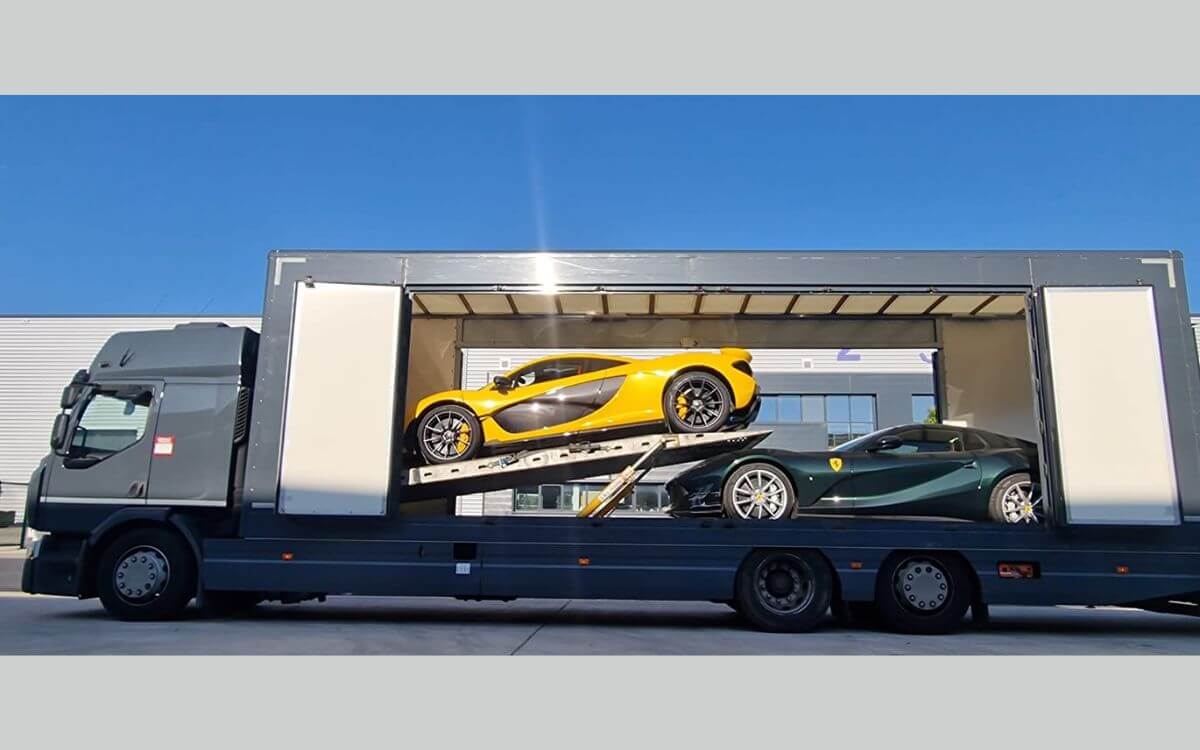
Covered Auto Shipping: A Guide to Safe and Protected Vehicle Transport
Covered Auto Shipping: A Guide to Enclosed Vehicle Transport
When a vehicle needs extra protection during transit, covered auto shipping can be a practical choice. Also known as enclosed vehicle transport, this service moves a car inside a covered trailer rather than on an open transporter. It can help shield vehicles from weather, road debris and passing traffic while they are being transported.
Covered transport is often associated with classic, luxury, high-value and specialist vehicles, but it may suit any owner who wants additional protection. Before booking, it is worth understanding how the service works, what it can and cannot protect against, and how it differs from open transport.
What is covered auto shipping?
Covered auto shipping involves transporting a vehicle inside an enclosed trailer. The vehicle is loaded and secured within the trailer, keeping it out of direct exposure to rain, road spray, dust and other external conditions during the journey.
Enclosed transport is available in different formats, including trailers that carry one vehicle and larger units that carry several. The right option depends on the vehicle, the route, availability and the level of service required.
Benefits of enclosed vehicle transport
- Protection from the elements: A covered trailer can reduce exposure to rain, snow, strong sunlight, wind and road spray.
- Reduced exposure to road debris: Enclosure helps protect the vehicle from loose stones and other debris thrown up during transit.
- Greater privacy: The vehicle is not on display throughout the journey, which may be important for rare or high-value cars.
- Careful handling options: Some enclosed services offer specialist loading equipment or procedures for low-clearance, prestige or non-standard vehicles.
- Reassurance for valuable vehicles: Owners may prefer the additional protection when transporting a cherished, restored or collectible car.
Covered transport can reduce certain risks, but it cannot remove every possibility of damage or delay. Ask the transport provider what protections, handling procedures and insurance arrangements apply to your booking.
Covered transport compared with open transport
Open transport carries vehicles on an uncovered trailer. It is a widely used option and is often more readily available, particularly for standard cars. However, vehicles are exposed to the weather and road conditions during transit.
Enclosed transport provides a sheltered environment and is generally chosen when additional protection is a priority. It usually costs more than open transport because enclosed trailers have limited capacity and may involve different equipment or handling requirements.
The best option depends on the vehicle and the owner’s priorities. For a standard car making a routine journey, open transport may be suitable. For a classic, prestige, modified or particularly valuable vehicle, the added protection of an enclosed service may be worth considering.
Who might choose covered auto shipping?
Enclosed transport may be suitable for:
- Classic and vintage cars
- Luxury and prestige vehicles
- Sports cars and supercars
- Restored or collectible vehicles
- Cars with low ground clearance or specialist modifications
- Vehicles travelling to exhibitions, events or auctions
- Owners who want to limit exposure to weather and road debris
Not every vehicle requires covered transport. If you are unsure, describe the car’s condition, value, dimensions and any modifications when requesting a quotation.
How the process usually works
- Request a quotation: Provide the collection and delivery locations, vehicle details, preferred dates and any special requirements.
- Confirm the service: Check whether the quoted service is enclosed, how the vehicle will be loaded and what is included in the price.
- Prepare the vehicle: Remove personal belongings, secure loose parts and make sure the vehicle is accessible for loading. Follow the transporter’s specific instructions.
- Complete a condition check: The vehicle’s condition may be recorded at collection and checked again at delivery. Keep your own photographs for reference.
- Arrange collection and delivery: Confirm timings, access requirements and contact details with the transport provider.
Preparing your vehicle for transport
A few simple steps can help make collection and delivery smoother:
- Remove personal possessions and loose items from the vehicle.
- Check that the alarm is switched off and provide any relevant operating instructions.
- Leave the fuel level at the amount requested by the transporter.
- Tell the provider about mechanical issues, modifications or unusual dimensions.
- Take dated photographs of the vehicle before collection.
- Make sure keys and any necessary documents are available.
If the car is not roadworthy, has limited ground clearance or cannot be driven, say so when booking. The provider can then confirm whether the required loading equipment and arrangements are available.
What affects the cost?
The price of covered auto shipping can vary according to the distance, route, vehicle size and weight, collection and delivery access, timing and availability of enclosed transport. Specialist loading requirements or a vehicle that cannot be driven may also affect the quotation.
When comparing prices, check that each quote covers the same service. Ask whether collection and delivery are door-to-door or from specified locations, whether the dates are confirmed or estimated, and what insurance applies during transit.
Questions to ask before booking
- Will the vehicle travel in a fully enclosed trailer?
- How will it be loaded and secured?
- What insurance cover applies during transport, and are there any exclusions?
- How will the vehicle’s condition be recorded?
- Are the collection and delivery dates guaranteed or estimated?
- Are there restrictions on vehicle dimensions, condition or ground clearance?
- What should be removed from the vehicle before collection?
Choosing the right transport option
Covered auto shipping offers an added layer of shelter for vehicles in transit, making it a popular choice for owners who value protection and privacy. It is not necessary for every journey, and it typically costs more than open transport. Comparing the vehicle’s needs with the service’s price, availability and insurance terms can help you make an informed decision.
Before booking, provide accurate details about the vehicle and route, review the quotation carefully and confirm the arrangements in writing. This helps set clear expectations and supports a smoother transport experience.
Top 7 Advantages of Covered Auto Shipping for Vehicle Protection and Peace of Mind
- Protects vehicles from rain and harsh weather.
- Helps guard against road debris.
- Offers added protection for valuable cars.
- Keeps vehicles out of public view.
- Ideal for classic and prestige vehicles.
- Can accommodate specialist loading needs.
- Provides extra peace of mind during transit.
Considerations for Covered Auto Shipping: Costs, Availability, and Potential Limitations
- Usually costs more than open transport.
- May have limited availability on some routes.
- Can take longer to arrange.
- Larger trailers may have restricted access.
- Enclosure cannot eliminate all risk of damage.
Protects vehicles from rain and harsh weather.
Covered auto shipping helps protect your vehicle from rain and harsh weather during transit. Travelling inside an enclosed trailer shields the car from heavy showers, wind, snow and strong sunlight, helping to keep its exterior cleaner and reducing exposure to weather-related wear.
Helps guard against road debris.
Covered auto shipping helps guard your vehicle against road debris during transit. Stones, grit and other loose material can be thrown up by passing traffic, potentially chipping paint or damaging exterior parts. An enclosed trailer provides a barrier between your car and these hazards, helping it arrive in the same condition it left.
Offers added protection for valuable cars.
Covered auto shipping offers valuable cars an added layer of protection during transit. Transporting the vehicle inside an enclosed trailer helps shield it from rain, road spray, dust and flying debris, while keeping it out of view. This can provide extra peace of mind when moving a classic, prestige or collectible car, although it is still important to check the transporter’s handling procedures and insurance cover.
Keeps vehicles out of public view.
Covered auto shipping keeps your vehicle out of public view throughout its journey. Transported inside an enclosed trailer, it is less visible to passers-by and other road users, offering added privacy and discretion. This can be especially reassuring when moving a valuable, rare or distinctive car.
Ideal for classic and prestige vehicles.
Covered auto shipping is an ideal choice for classic and prestige vehicles, helping protect them from rain, road spray, dust and flying debris during transit. Keeping a cherished or high-value car inside an enclosed trailer can also offer greater privacy and reassurance, particularly when the vehicle has a pristine finish, specialist modifications or delicate features.
Can accommodate specialist loading needs.
Covered auto shipping can accommodate specialist loading needs for vehicles that require extra care, such as low-clearance sports cars, modified vehicles or cars that are not roadworthy. Depending on the transporter, enclosed trailers may offer suitable ramps, lift systems or other equipment to help load and secure the vehicle safely. Be sure to explain any specific requirements when requesting a quote, so the provider can confirm that the right equipment and arrangements are available.
Provides extra peace of mind during transit.
Covered auto shipping can provide extra peace of mind by keeping your vehicle inside an enclosed trailer throughout its journey. With less exposure to weather, road debris and passing traffic, you can feel more confident that your car is protected in transit. For a cherished, classic or high-value vehicle, this added reassurance can make the transport experience more comfortable.
Usually costs more than open transport.
One drawback of covered auto shipping is that it usually costs more than open transport. Enclosed trailers carry fewer vehicles and can involve specialist equipment and handling, which may increase the price. The extra cost may be worthwhile for vehicles needing added protection, but it is sensible to compare quotes and weigh the benefits against your budget.
May have limited availability on some routes.
One drawback of covered auto shipping is that it may not be available on every route. Enclosed transporters are less common than open carriers and have limited capacity, so finding a suitable service can be more difficult, particularly for less frequently travelled routes or remote locations. This may mean longer waiting times, less flexibility with collection dates or a higher price. Book well in advance and check availability with transport providers before making plans.
Can take longer to arrange.
Covered auto shipping can take longer to arrange than open transport because enclosed trailers are less widely available and have limited capacity. You may need to allow extra time to find a suitable provider, coordinate collection and delivery dates, and accommodate specialist loading requirements. Booking well in advance can improve availability and help ensure the transport suits your schedule.
Larger trailers may have restricted access.
Larger enclosed trailers can be difficult to manoeuvre in narrow streets, tight driveways or areas with low branches and other height restrictions. As a result, the transporter may be unable to collect or deliver the vehicle directly to your chosen address, and you may need to arrange a nearby meeting point with suitable access. Check access requirements with the transport provider before booking to avoid delays or last-minute changes.
Enclosure cannot eliminate all risk of damage.
Although covered auto shipping protects a vehicle from many weather conditions and road hazards, the enclosure cannot eliminate all risk of damage. Movement during transit, loading and unloading, or unexpected incidents on the road may still cause marks or other damage. Before booking, check what insurance cover applies, ask how the vehicle’s condition will be recorded, and take photographs before collection.