
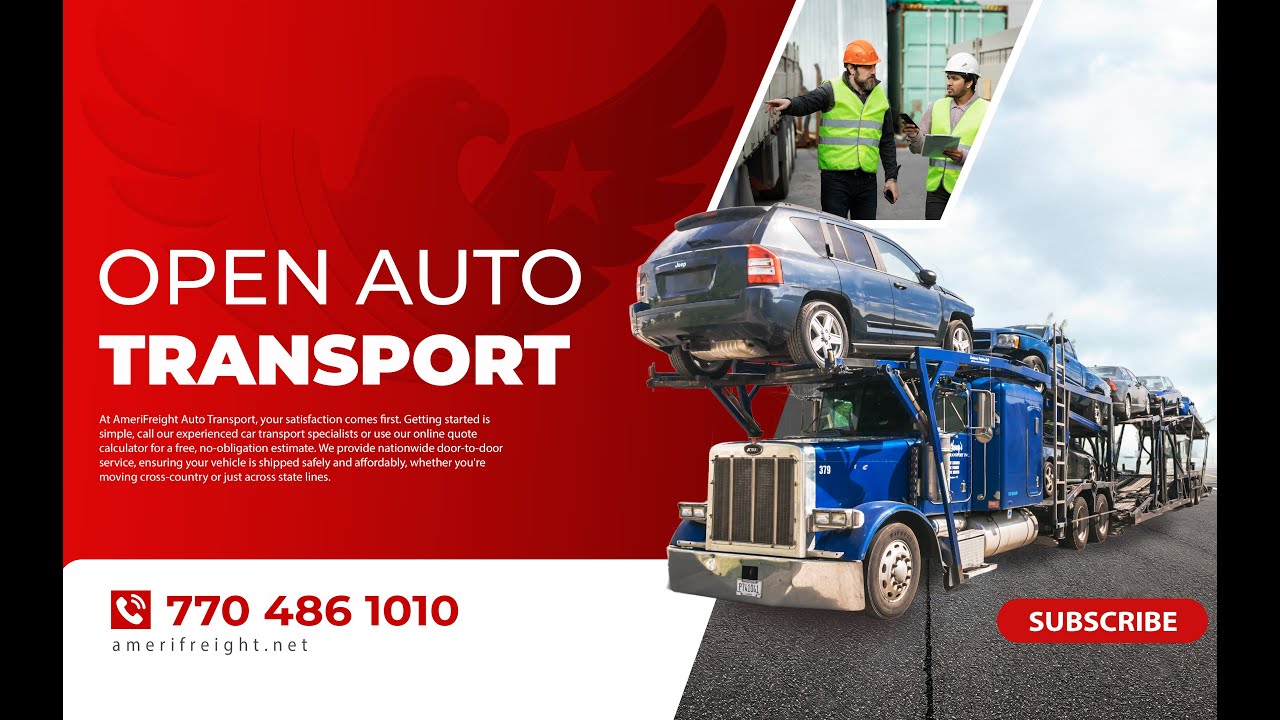
Diversified Auto Transport: Flexible Solutions for Every Vehicle Journey
Diversified Auto Transport: Choosing the Right Way to Move a Vehicle
Auto transport is not a one-size-fits-all service. Vehicles differ in size, value and condition, while customers have different schedules, destinations and budgets. Diversified auto transport offers a range of transport options to suit these varying needs, helping individuals and businesses find a practical way to move vehicles.
What does diversified auto transport mean?
Diversified auto transport refers to providing or using different methods of vehicle transport rather than relying on a single solution. Depending on the journey and the vehicle, this might include open or enclosed transport, single-vehicle or multi-vehicle carriage, and specialist services for vehicles that are not roadworthy.
The right option depends on factors such as distance, collection and delivery access, the vehicle’s condition and the level of protection required. Understanding these choices can make it easier to arrange transport that meets both practical requirements and budget expectations.
Common vehicle transport options
Open transport
Open transport carries vehicles on a trailer that is exposed to the elements. It is commonly used for standard cars and can be an efficient option, particularly when several vehicles are being moved together. As with any exposed journey, vehicles may encounter ordinary road conditions such as rain, dust and road spray.
Enclosed transport
Enclosed transport places a vehicle inside a covered trailer. This can offer additional protection from weather and road debris, making it a potential choice for classic, luxury, high-value or particularly delicate vehicles. Availability and cost can vary, so it is worth discussing the vehicle’s needs with the transport provider.
Single-vehicle transport
A dedicated vehicle collection may be suitable when timing, route or handling requirements call for a more direct service. It can also be useful for vehicles that need special attention or cannot be transported alongside other cars.
Multi-vehicle transport
Carrying several vehicles on the same journey can be a practical solution for dealerships, fleet operators, auctions and other businesses. Coordinating collections and deliveries in advance can help make the process more straightforward.
Transport for non-running vehicles
A vehicle that cannot be driven may still be transportable, but the provider needs to know in advance. Details such as whether the car can roll, steer and brake help determine the equipment and loading arrangements required. Accurate information can reduce delays and ensure the correct service is planned.
Why flexibility matters
A diversified approach allows the transport arrangement to reflect the vehicle and the job, rather than forcing every move into the same format. It can help customers consider:
- the level of protection appropriate for the vehicle;
- whether the car is roadworthy and can be driven onto a transporter;
- the collection and delivery locations and access available;
- the expected timescale and any scheduling requirements; and
- the balance between cost, convenience and specialist handling.
How to prepare for vehicle transport
Good preparation can help the transport process run smoothly. Before booking, provide clear details about the vehicle, including its make, model, dimensions where relevant, condition and whether it is operational. Share any access restrictions at the collection or delivery address, such as narrow roads, height limits or limited turning space.
It is also sensible to remove personal belongings, secure loose items and take photographs of the vehicle before collection. Ask the provider what documentation, keys and handover arrangements are needed, and confirm the agreed collection and delivery details in writing.
Choosing a transport provider
When comparing providers, look beyond the headline price. Check what the service includes, how collection and delivery are arranged, what happens if timings change and what insurance or liability arrangements apply. Ask questions if any part of the quotation or process is unclear, and make sure the chosen transport method suits the vehicle.
A transport solution to suit the journey
Diversified auto transport is about matching the service to the circumstances. Whether moving a everyday car, a valuable classic, a fleet or a vehicle that cannot be driven, considering the available options can help make the journey safer and more manageable. Clear information, suitable planning and communication with the transport provider are key to a successful vehicle move.
Six Benefits of Diversified Vehicle Transport
- More transport options to suit different vehicles.
- Open and enclosed services offer varying levels of protection.
- Flexible solutions for single cars or entire fleets.
- Options for vehicles that cannot be driven.
- Services can be matched to your schedule and budget.
- Suitable for a wide range of journeys and customer needs.
Drawbacks of Diversified Vehicle Transport
- More transport options can make choosing the right service confusing.
- Specialist or enclosed transport can cost more.
- Coordinating different vehicles and schedules can take extra planning.
More transport options to suit different vehicles.
One of the key benefits of diversified auto transport is having more options to suit different vehicles. A standard car may be well suited to open transport, while a classic, luxury or particularly valuable vehicle could benefit from the added protection of an enclosed transporter. Specialist arrangements may also be available for larger vehicles or cars that are not roadworthy. Choosing a method that matches the vehicle’s size, condition and specific requirements can help ensure it is transported appropriately.
Open and enclosed services offer varying levels of protection.
Open and enclosed transport give customers the flexibility to choose a level of protection that suits their vehicle and journey. Open transport is a practical option for many standard cars, while enclosed transport shields vehicles from weather and road debris. This choice makes it easier to match the service to a vehicle’s value, condition and specific protection needs.
Flexible solutions for single cars or entire fleets.
Flexible auto transport solutions can be tailored to the job, whether you need to move a single car or an entire fleet. Individual vehicles can be arranged around specific collection and delivery requirements, while multi-vehicle transport can help businesses coordinate larger movements more efficiently. This flexibility makes it easier to choose a service that suits your schedule, vehicle requirements and budget.
Options for vehicles that cannot be driven.
Diversified auto transport can provide practical options for vehicles that cannot be driven, whether they have broken down, been damaged or are awaiting repair. By sharing the vehicle’s condition in advance, you can help the transport provider arrange suitable loading equipment and handling, such as a winch or specialist recovery vehicle. This means a non-running car can still be moved to a garage, home or other destination without needing to be driven, making the process safer and more convenient.
Services can be matched to your schedule and budget.
One of the key benefits of diversified auto transport is the flexibility to choose a service that fits both your schedule and budget. Depending on how quickly your vehicle needs to arrive and how much you wish to spend, you can compare options such as shared transport, a dedicated vehicle collection or different delivery arrangements. This makes it easier to find a practical balance between cost, convenience and timing.
Suitable for a wide range of journeys and customer needs.
A key advantage of diversified auto transport is its flexibility: different transport options can be matched to a wide range of journeys and customer needs. Whether moving a standard car locally, transporting a classic vehicle over a long distance or arranging the movement of several cars for a business, customers can choose a service suited to the vehicle, route, schedule and level of protection required. This tailored approach makes it easier to find a practical solution for each transport job.
More transport options can make choosing the right service confusing.
With diversified auto transport, having several options can make it difficult to decide which service best suits your vehicle and circumstances. Open or enclosed carriage, single-vehicle transport and multi-car transport may each have different costs, timings and levels of protection. Without clear guidance, customers can feel unsure about what they actually need or worry about paying for a service that is not right for them. A reputable provider should explain the differences in plain language and recommend a suitable option based on the vehicle, route, budget and delivery requirements.
Specialist or enclosed transport can cost more.
Specialist or enclosed auto transport can cost more than standard open transport because it may require dedicated equipment, additional protection and more careful handling. This can be worthwhile for valuable, classic or delicate vehicles, but it may not suit every budget. Before booking, compare quotes and check exactly what the higher price includes so you can decide whether the extra protection is appropriate for your vehicle.
Coordinating different vehicles and schedules can take extra planning.
Coordinating different vehicles, collection points and delivery schedules can take extra planning, particularly when each vehicle has its own transport requirements. Delays or changes to one part of the arrangement may affect the wider schedule, so clear communication and careful coordination are important to keep the process running smoothly.