
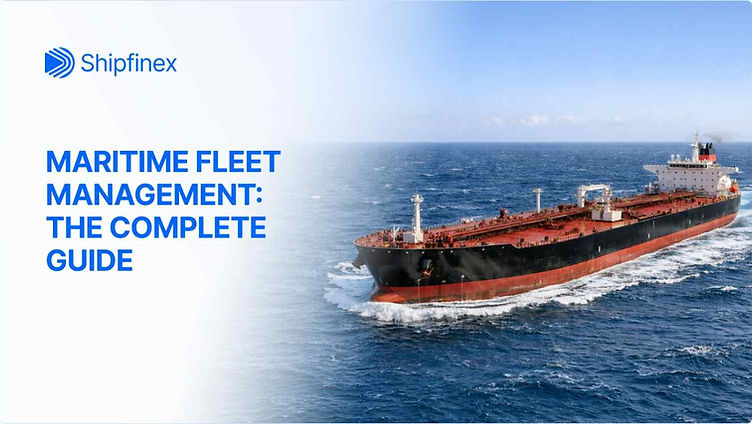
Optimising Operations: The Role of Fleet and Freight Management in Modern Logistics
The Importance of Fleet and Freight Management in Modern Logistics
In today’s fast-paced world of logistics and transportation, effective fleet and freight management play a crucial role in ensuring the smooth and efficient movement of goods from one point to another. With the increasing demand for timely deliveries and cost-effective solutions, businesses are turning to advanced technologies and strategies to streamline their operations.
Fleet Management: Managing a fleet of vehicles involves overseeing a range of tasks, including vehicle maintenance, driver scheduling, route optimization, and fuel efficiency. By implementing fleet management software and telematics systems, companies can monitor vehicle performance in real-time, track driver behaviour, and plan routes more effectively. This not only improves operational efficiency but also enhances safety and reduces costs.
Freight Management: Freight management focuses on the movement of goods across various modes of transportation, such as road, rail, air, and sea. Efficient freight management involves coordinating shipments, optimizing load capacities, selecting the best carriers, and ensuring timely delivery. By leveraging transportation management systems (TMS) and supply chain visibility tools, businesses can gain greater control over their supply chain operations and improve customer satisfaction.
The Benefits of Effective Fleet and Freight Management:
- Improved operational efficiency
- Reduced transportation costs
- Enhanced customer service through on-time deliveries
- Increased visibility into supply chain operations
- Optimized route planning for fuel savings
- Enhanced safety through driver monitoring
In conclusion, effective fleet and freight management are essential components of modern logistics operations. By investing in advanced technologies and adopting best practices in fleet and freight management, businesses can gain a competitive edge in today’s challenging marketplace. Embracing innovation in this field is key to meeting customer demands efficiently while driving business growth.
Understanding Fleet and Freight Management: Key Questions Answered
- What is fleet management and logistics?
- What is the difference between TMS and FMS?
- What does fleet management mean?
- What is meant by freight management?
- What is the difference between fleet management and freight management?
What is fleet management and logistics?
Fleet management and logistics are integral components of modern transportation and supply chain operations. Fleet management encompasses the supervision and coordination of a company’s vehicles, including maintenance, scheduling, and monitoring driver performance. On the other hand, logistics involves the strategic planning and execution of the movement of goods from their point of origin to their final destination. Effective fleet management ensures that vehicles are optimally utilized to deliver goods efficiently and cost-effectively, while logistics focuses on coordinating these movements to meet customer demands promptly. Together, fleet management and logistics play a vital role in enhancing operational efficiency, reducing costs, and improving overall customer satisfaction in the transportation industry.
What is the difference between TMS and FMS?
In the realm of fleet and freight management, a common query revolves around understanding the distinction between Transportation Management Systems (TMS) and Fleet Management Systems (FMS). TMS primarily focuses on the overarching logistics and transportation aspects of managing shipments, including route planning, carrier selection, and load optimization across various modes of transport. On the other hand, FMS is more centred on the specific management of a company’s fleet of vehicles, encompassing tasks such as vehicle maintenance, driver monitoring, fuel efficiency, and real-time tracking. While TMS deals with broader supply chain operations, FMS is tailored towards the internal management and optimisation of a company’s own fleet for enhanced efficiency and cost savings. Clarifying the variances between TMS and FMS is pivotal in choosing the right tools to streamline operations effectively in the dynamic world of logistics.
What does fleet management mean?
Fleet management refers to the comprehensive supervision and coordination of a company’s fleet of vehicles, encompassing tasks such as vehicle maintenance, driver scheduling, fuel management, and route optimization. It involves the strategic utilization of technology and systems to monitor and control various aspects of the fleet’s operations efficiently. Fleet management aims to enhance operational efficiency, improve safety standards, reduce costs, and ensure timely deliveries. By implementing robust fleet management practices, businesses can streamline their transportation processes, increase productivity, and ultimately drive better outcomes for their operations.
What is meant by freight management?
Freight management refers to the strategic coordination and control of the movement of goods from one location to another using various modes of transportation, such as road, rail, air, or sea. It involves overseeing the entire process of shipping goods, including planning routes, selecting carriers, optimizing load capacities, tracking shipments, and ensuring timely delivery. Effective freight management aims to streamline logistics operations, reduce costs, enhance supply chain visibility, and ultimately improve customer satisfaction by ensuring that goods reach their destination efficiently and on time.
What is the difference between fleet management and freight management?
When discussing fleet management and freight management, it’s important to understand the distinction between the two concepts. Fleet management primarily focuses on overseeing a company’s vehicles, including maintenance, driver scheduling, and route optimization. On the other hand, freight management deals with the movement of goods across various transportation modes, such as road, rail, air, and sea. While fleet management is concerned with managing the company’s vehicles and drivers, freight management involves coordinating shipments, selecting carriers, and ensuring timely delivery of goods. Both functions are integral to efficient logistics operations but serve different aspects of the supply chain process.