
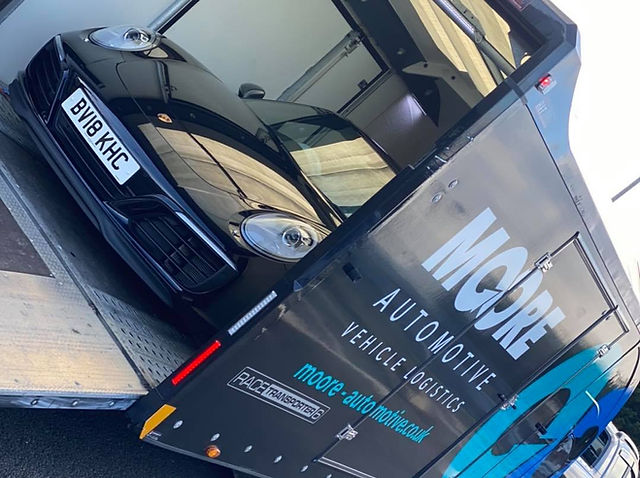
Covered Vehicle Transport Services: A Guide to Safe and Secure Vehicle Delivery
Covered Vehicle Transport Services: Protecting Your Vehicle in Transit
Moving a vehicle from one place to another can expose it to weather, road debris and the demands of a long journey. Covered vehicle transport offers an added layer of protection by carrying vehicles inside an enclosed trailer or transporter, rather than on an open carrier.
This option is often chosen for classic cars, prestige vehicles, motorsport cars and newly purchased vehicles, as well as any vehicle whose owner wants extra protection during transit. Here is how covered transport works and what to consider when arranging it.
What is covered vehicle transport?
Covered vehicle transport, also known as enclosed vehicle transport, involves moving a vehicle inside a purpose-built, enclosed transporter. The vehicle is loaded and secured within the trailer, keeping it shielded from direct exposure to rain, wind, road spray, dust and loose debris for the duration of the journey.
Transporters vary in size and design. Depending on the vehicle and the operator, the service may be suitable for a single car or several vehicles. It is worth confirming the transporter’s dimensions and loading arrangements in advance, particularly if the vehicle is low, wide or has limited ground clearance.
Why choose an enclosed transporter?
- Protection from the elements: The vehicle is sheltered from rain, snow, strong sunlight and other weather conditions.
- Reduced exposure to road debris: An enclosed trailer helps protect the vehicle from stones, dirt and spray thrown up during travel.
- Greater privacy: The vehicle is less visible while in transit, which may be important for valuable or collectible cars.
- Careful handling: Enclosed transport is often selected for vehicles that need particular care, although the quality of handling depends on the operator and its procedures.
Covered transport does not remove every risk. Vehicles still need to be loaded, secured and unloaded, and delays or unexpected incidents can occur. Ask the transport provider what protection and insurance arrangements apply to your booking.
Which vehicles may benefit from covered transport?
Enclosed transport can be a suitable choice for a range of vehicles, including:
- Classic, vintage and restored cars
- Prestige, luxury and performance vehicles
- Competition and motorsport cars
- Newly purchased vehicles being delivered to their owner
- Vehicles with delicate finishes or specialist modifications
- Cars that are not roadworthy and need to be moved securely
It is not only high-value vehicles that may benefit. Owners may choose covered transport simply because they want additional protection or prefer an enclosed service for a particular journey.
How does the transport process work?
The process usually begins with a quotation. The provider will need details such as the collection and delivery locations, vehicle make and model, its condition, and any modifications that could affect loading. If the vehicle does not run, or has restricted access points, mention this when requesting a quote.
Once the booking is confirmed, the collection and delivery arrangements are agreed. At collection, it is sensible to check the vehicle’s condition with the driver and record any existing marks. Photographs can provide a useful reference. The vehicle is then loaded and secured using suitable equipment before being transported to the destination.
Before booking, ask how updates will be provided, whether the delivery is door-to-door or to an agreed nearby location, and whether any access restrictions could affect the transporter. Large vehicles may not be able to reach narrow roads, low bridges or restricted entrances.
What affects the cost?
Covered transport generally costs more than open transport because enclosed vehicles have different operating costs and may carry fewer cars. The final price can depend on:
- The distance and route
- The vehicle’s size, weight and condition
- Collection and delivery access
- The timing and flexibility of the booking
- Whether the journey is shared with other deliveries or arranged exclusively
When comparing quotations, check what is included rather than looking at the price alone. Confirm the collection and delivery arrangements, any additional charges, and the terms of cover for the vehicle while it is being transported.
Choosing a covered vehicle transport provider
A reliable provider should be clear about its process and willing to answer questions before you book. Consider checking:
- Whether the transporter is suitable for your vehicle’s size and condition
- What insurance applies during loading, transit and unloading
- How the vehicle will be secured and handled
- How collection and delivery times are arranged
- Whether the quotation includes all expected costs
- Customer feedback and the provider’s experience with similar vehicles
Share accurate information about the vehicle, including its ground clearance, modifications and whether it starts and drives. This helps the provider assess the right equipment and reduces the chance of issues on the day.
Is covered vehicle transport right for you?
Covered vehicle transport is a practical option when protection, privacy or careful handling is a priority. It may not be necessary for every vehicle or journey, and open transport can be a suitable alternative where cost is the main consideration. Comparing both options and discussing the vehicle’s needs with a transport provider can help you make an informed choice.
With clear communication and suitable arrangements, an enclosed transporter can make moving a vehicle a more protected and reassuring experience.
Top 6 Tips for Choosing Covered Vehicle Transport Services in the UK
- Choose an enclosed transporter for added protection from weather and road debris.
- Check the provider’s insurance covers your vehicle’s full value.
- Compare quotes and confirm what each service includes.
- Photograph your vehicle before collection and note any existing damage.
- Remove personal items and disable alarms before handover.
- Agree collection and delivery times, access details and contact arrangements.
Choose an enclosed transporter for added protection from weather and road debris.
For added protection during transit, choose an enclosed transporter. Unlike open transport, an enclosed vehicle is sheltered from rain, wind, road spray and loose debris, helping to protect your car’s exterior throughout the journey. This can be especially reassuring when transporting a classic, prestige or newly purchased vehicle.
Check the provider’s insurance covers your vehicle’s full value.
Before booking covered vehicle transport, check that the provider’s insurance covers your vehicle for its full market value throughout loading, transit and unloading. Ask for the policy limits, exclusions and excess in writing, and confirm whether high-value, classic or modified vehicles need to be declared separately. If the cover is insufficient, consider arranging additional insurance before the vehicle is collected.
Compare quotes and confirm what each service includes.
When comparing covered vehicle transport quotes, look beyond the headline price and check exactly what each service includes. Confirm whether collection and delivery are door-to-door, whether the vehicle will travel in an enclosed transporter for the full journey, and what insurance applies during loading, transit and unloading. Ask about possible extra charges, delivery timeframes and any requirements for non-running or modified vehicles. A clear, like-for-like comparison helps you choose a service that suits your vehicle and budget.
Photograph your vehicle before collection and note any existing damage.
Before your vehicle is collected, take clear photographs of its exterior and interior, including close-ups of any scratches, dents or other existing damage. Make a note of these marks and, where possible, review the vehicle’s condition with the driver at collection. This gives both parties a useful record to refer to when the vehicle is delivered.
Remove personal items and disable alarms before handover.
Before handing over your vehicle, remove personal belongings and any loose items from the cabin and boot. Transport insurance may not cover personal possessions, and items could move or cause damage during transit. Remember to disable any alarm or security system that might activate while the vehicle is being loaded or transported, and let the transport provider know about any relevant controls or instructions. This helps prevent unnecessary disruption and makes handover smoother.
Agree collection and delivery times, access details and contact arrangements.
Before booking covered vehicle transport, agree the collection and delivery times with your provider, allowing for any flexibility needed along the route. Share accurate access details for both locations, such as narrow roads, parking restrictions, gates or low bridges, so the transporter can plan a suitable approach. Confirm who will be available at each end and how the driver will get in touch if there are delays or changes. Clear arrangements help avoid unnecessary hold-ups and make handover smoother.