
Cross Country Auto Shipping: A Practical Guide for UK Drivers
Cross-Country Auto Shipping: A Practical Guide
Moving a vehicle across a country can be a convenient alternative to driving it yourself. Whether you are relocating, buying a car from a distant seller or arranging transport for a classic or specialist vehicle, cross-country auto shipping can save time and help reduce the wear and mileage involved in a long journey.
With a little preparation, it is easier to choose a suitable service and understand what to expect from collection through to delivery.
What is cross-country auto shipping?
Cross-country auto shipping is the transport of a vehicle over a long distance, usually from one part of a country to another. The vehicle is collected at an agreed location and delivered to a destination, either directly or through a transport network.
In the UK, this may mean moving a car between regions, such as from Scotland to the South of England, or between major cities and rural areas. The exact route, collection arrangements and delivery options depend on the vehicle, the locations and the transport provider.
Choosing the right transport method
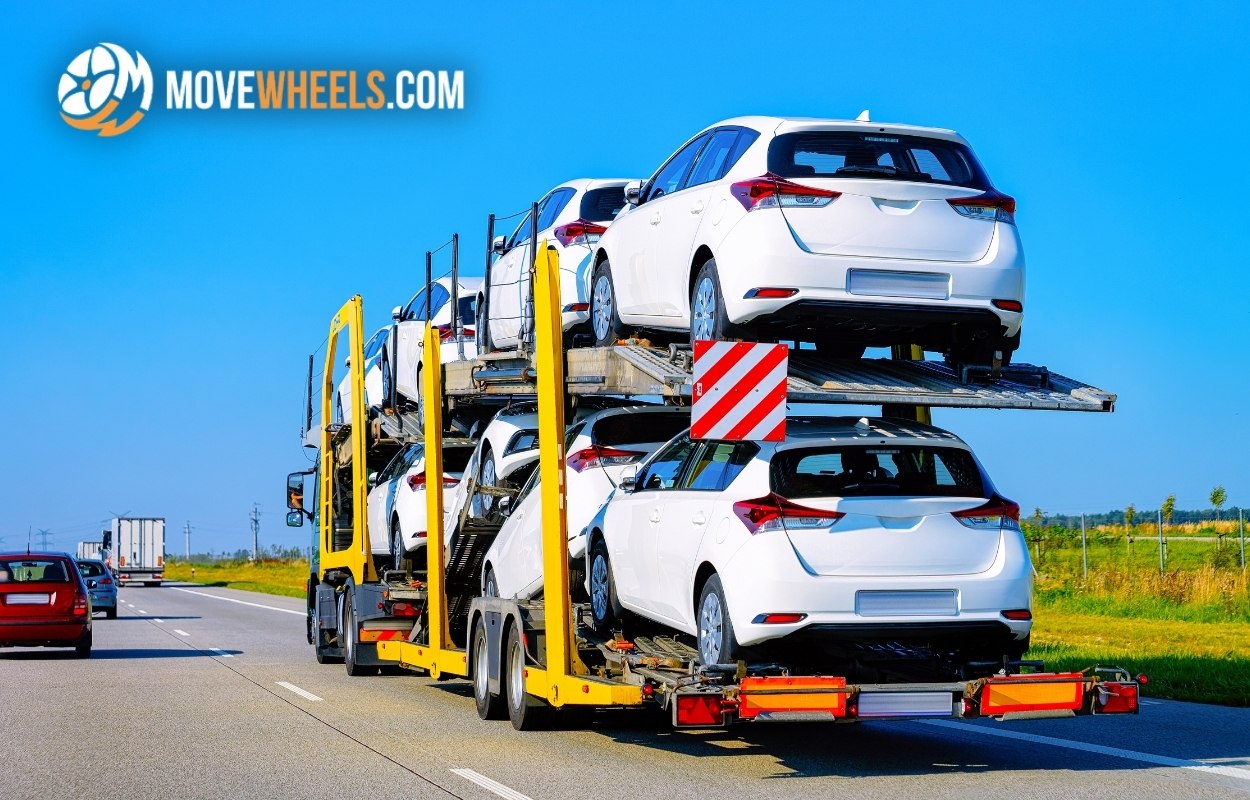
Vehicles are commonly moved by road on a transporter. The most suitable option depends on your budget, the vehicle’s value and condition, and how much protection or flexibility you need.
- Open transport: The vehicle is carried on an open transporter. This is a common option for standard vehicles, though the car is exposed to the weather and road conditions during transit.
- Enclosed transport: The vehicle is carried inside a covered transporter. This can offer additional protection and may be appropriate for classic, high-value or particularly delicate vehicles. Availability and cost can vary.
- Single-vehicle or shared transport: Some services move one vehicle at a time, while others combine several vehicles on a route. Shared loads may offer a more economical option, but timings can be less flexible.
Ask the provider which method will be used and whether the quoted service includes door-to-door collection and delivery. In some locations, access restrictions may mean that a nearby meeting point is needed instead.
What affects the cost?
There is no single price for cross-country vehicle transport. A quote may depend on factors such as:
- the distance and route;
- the vehicle’s size, weight and condition;
- whether the vehicle runs or needs specialist loading;
- the transport method selected;
- collection and delivery access;
- the requested time frame and flexibility of dates.
For a more accurate quote, provide correct details about the vehicle and both locations. Mention any modifications, low ground clearance, damage or mechanical issues before booking. It is also sensible to check what the price includes and whether any additional charges could apply.
How to prepare your vehicle
Before collection, make sure the vehicle is ready for transport. The provider may give specific instructions, so follow these first. In general, it helps to:
- remove personal belongings and loose items;
- leave only a small amount of fuel, as directed by the transporter;
- secure or remove detachable accessories;
- check that the battery, tyres and brakes are suitable for loading, if the vehicle is operational;
- tell the provider if the vehicle cannot be driven or has any faults;
- take clear photographs of the vehicle before collection.
Photographs can help you record the vehicle’s condition at handover. Make a note of any existing marks or damage, and check the vehicle again when it arrives.
Booking and delivery expectations
Long-distance transport requires coordination, so collection and delivery times may be given as a window rather than an exact appointment. Weather, traffic, route planning and other collections can all affect timing. If you need the vehicle by a particular date, discuss this before confirming the booking and ask what options are available.
Confirm the collection and delivery addresses, contact details and any access limitations. If you will not be present, agree in advance who can hand over or receive the vehicle and what checks they should complete.
Choosing a transport provider
Before booking, compare providers on more than price. Ask about their experience with your type of vehicle, the transport method, estimated timings and how they handle delays or changes. Read the terms carefully and check what insurance or liability arrangements apply during transit. Ask for the relevant details in writing, including any limits, exclusions or excesses.
A clear, reliable provider should explain the process, answer questions and give you a written confirmation of the agreed service. Be cautious of quotes that are unusually low without a clear explanation of what is included.
Making a long-distance move simpler
Cross-country auto shipping can make moving a vehicle more straightforward, particularly when driving it yourself is impractical. The key is to choose a transport option that suits your vehicle and priorities, share accurate information when requesting a quote, and agree clear collection and delivery arrangements.
With proper preparation and a provider that communicates openly, your vehicle can be transported across the country with less disruption to your plans.
Essential FAQs on Cross Country Auto Shipping in the UK
- How much to transport a car 500 miles in the UK?
- Can you ship my vehicle internationally?
- How much do you get paid for transporting cars?
- Who is the most reliable car transport company?
- What is the best delivery car in the UK?
- What are the four main types of transport?
How much to transport a car 500 miles in the UK?
Transporting a car 500 miles in the UK typically costs around £300–£600, although the price can vary depending on the vehicle’s size and condition, the collection and delivery locations, how quickly it needs to be moved and whether it can be transported on a shared load. Non-running, oversized or high-value vehicles may cost more, particularly if specialist loading or enclosed transport is required. For an accurate quote, provide the transporter with the vehicle details, exact postcodes and preferred dates, and check what the price includes.
Can you ship my vehicle internationally?
Yes, international vehicle shipping may be available, depending on your destination and the type of vehicle. Transport can involve road, sea or a combination of methods, and you may need to arrange customs paperwork, import permits, taxes and insurance. Requirements vary by country, so check the rules before booking and ask your transport provider to explain which services and documents are included.
How much do you get paid for transporting cars?
The amount paid for transporting cars varies depending on the distance, number and type of vehicles, route, and whether the work is completed as an employee or an independent transport operator. Fuel, vehicle running costs, insurance and any waiting or loading time can also affect earnings. If you’re asking about the cost of having a car transported, request a quote based on the collection and delivery locations and your vehicle’s details, as prices vary from job to job.
Who is the most reliable car transport company?
There is no single car transport company that is the most reliable for every journey, as the right choice depends on your route, vehicle and delivery needs. Look for a provider with relevant experience, clear communication, transparent pricing and written terms, and ask what insurance or liability cover applies while your vehicle is in transit. Recent customer reviews and a clear process for documenting the vehicle’s condition at collection and delivery can also help you compare options. Before booking, confirm the collection and delivery arrangements, estimated timings and what to do if plans change.
What is the best delivery car in the UK?
There is no single “best” delivery car or service for everyone in the UK; the right choice depends on the vehicle, route, budget and required delivery date. For cross-country auto shipping, look for a reputable vehicle transport provider with suitable equipment, clear collection and delivery arrangements, and written details of its insurance and charges. Compare a few quotes and check recent customer reviews before booking.
What are the four main types of transport?
The four main options are open transport, enclosed transport, door-to-door delivery and terminal-to-terminal delivery. Open transport carries the vehicle on an uncovered transporter and is often the more economical choice, while enclosed transport provides extra protection from weather and road debris. Door-to-door service collects and delivers the vehicle as close as practical to the specified addresses; terminal-to-terminal service uses agreed depots instead. The first two describe how the vehicle is carried, while the latter two describe collection and delivery arrangements.