
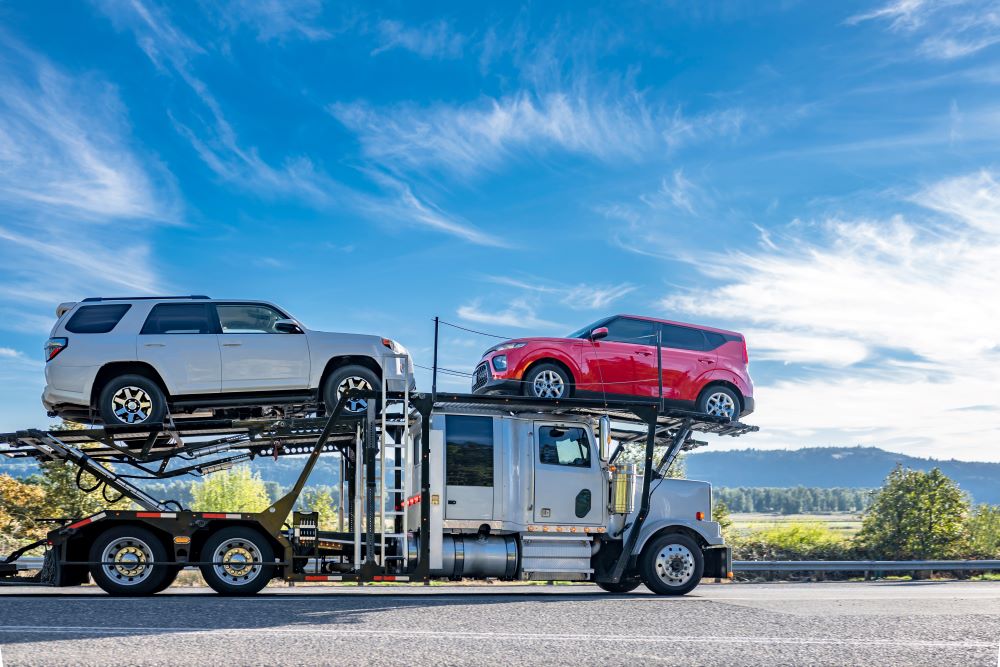
Auto Hauling: A Practical Guide to Safe and Reliable Vehicle Transport
Auto Hauling: A Practical Guide to Vehicle Transport
Auto hauling is the transportation of cars and other vehicles from one location to another. It can be useful when buying a car from a distant seller, moving home, arranging a vehicle delivery or transporting a car that cannot be driven. In the UK, the service is often called car transport or vehicle haulage.
Whether you are moving a single car or several vehicles, understanding how auto hauling works can help you choose a suitable service, prepare your vehicle and plan for a smooth collection and delivery.
How does auto hauling work?
A vehicle transport company collects a car from an agreed location and delivers it to a destination. Depending on the vehicle, route and service, it may be driven onto a transporter or loaded using specialist equipment. The vehicle is then secured for the journey and unloaded at the destination.
Some companies offer door-to-door collection and delivery where access allows. In other cases, you may need to arrange a nearby collection point, particularly if the streets are narrow, parking is restricted or a large transporter cannot reach the address.
Common vehicle transport options
- Open transport: The vehicle travels on an open transporter. This is a common option for standard cars and can be more economical than enclosed transport.
- Enclosed transport: The vehicle is carried inside a covered transporter. This can offer additional protection from weather and road debris, and may suit classic, high-value or specialist vehicles.
- Single-vehicle transport: A dedicated vehicle and driver are arranged for one car. This may offer greater flexibility, depending on availability and distance.
- Multi-vehicle transport: Several vehicles are carried together. This can be a practical option for dealerships, auctions, fleet operators and customers moving more than one car.
- Non-running vehicle transport: Cars that do not start or are not roadworthy may still be transportable, but the provider needs to know in advance so that appropriate loading equipment can be arranged.
What affects the cost of auto hauling?
The price of vehicle transport depends on several factors. These commonly include the collection and delivery locations, the distance travelled, the vehicle’s size and condition, and whether you choose open or enclosed transport.
Timing and access can also affect the quote. Urgent bookings, difficult collection points and vehicles that need specialist loading may require additional arrangements. When requesting a price, provide accurate information about the car and both addresses. Ask what the quoted price includes and whether there could be extra charges.
How to prepare your vehicle
A little preparation can help make collection and delivery more straightforward:
- Check the vehicle’s condition. Note any existing scratches, dents or other damage. Taking dated photographs before collection can help you keep a clear record.
- Remove personal belongings. Transport companies may restrict items left inside the vehicle, so check the provider’s terms before collection.
- Leave enough fuel for loading. If the car can be driven, it generally needs enough fuel to be moved on and off the transporter. Follow the company’s instructions.
- Secure loose parts. Remove or secure accessories that could come loose during the journey, such as detachable aerials or roof-mounted items.
- Check access at both locations. Tell the company about gates, height restrictions, narrow roads or other obstacles that could affect the transporter.
- Have the keys and documents ready. Confirm what the driver needs at collection and make sure someone is available at the agreed times.
Choosing a vehicle transport company
Before booking, check that the company understands your requirements and can transport your particular vehicle. Ask how collection and delivery are arranged, what happens if access is unsuitable, and how updates are provided during the journey.
It is also sensible to review the company’s terms, including its cancellation policy and the cover or liability arrangements that apply while your vehicle is in its care. Ask for any important details in writing, and do not assume that every type of damage or personal belonging is covered.
A clear quote should explain the service being provided, the expected collection window and any conditions that could affect the price or schedule. Comparing providers on these details—not price alone—can help you make a more informed choice.
Questions to ask before booking
- Can you transport my vehicle if it is not running?
- Is collection and delivery available at my addresses?
- Is the transport open or enclosed?
- What insurance or liability arrangements apply during transport?
- How will I be notified about collection and delivery?
- Are there any extra charges or preparation requirements?
Making auto hauling easier
Auto hauling can simplify the process of moving a vehicle, particularly when a long drive is inconvenient or the car cannot be driven. By choosing a transport option that suits your vehicle, sharing accurate information and preparing for collection, you can help reduce delays and make the journey more straightforward.
For UK customers, searching for “car transport” or “vehicle haulage” as well as “auto hauling” may also help when comparing local services.
9 Benefits of Using a Car Transport Service
- Saves time on long-distance journeys
- Avoids adding mileage to your car
- Ideal for non-running vehicles
- Convenient door-to-door options
- Reduces wear and tear
- Useful when relocating
- Suitable for single cars or fleets
- Enclosed transport offers extra protection
- Helps coordinate vehicle deliveries
Six Drawbacks of Car Transport
- Transport costs can be high.
- Delivery times may change.
- Collection access can be limited.
- Open transport exposes cars to the weather.
- Vehicle damage is possible.
- Personal belongings may be excluded.
Saves time on long-distance journeys
Auto hauling saves time on long-distance journeys by removing the need to drive the vehicle yourself. Instead of spending hours on the road, planning fuel and rest stops, and dealing with traffic, you can arrange for a transport company to collect and deliver your car. This is especially useful when moving home, buying a vehicle from another part of the UK or managing a busy schedule.
Avoids adding mileage to your car
Auto hauling keeps your car off the road during a long-distance move, so you avoid adding unnecessary mileage to the odometer. This can help preserve its condition, reduce wear and tear on components such as the tyres and brakes, and leave the car ready to drive once it reaches its destination.
Ideal for non-running vehicles
Auto hauling is an ideal solution for non-running vehicles that cannot be safely or legally driven to their destination. Specialist transporters can load and secure cars with mechanical faults, flat batteries or accident damage, using suitable equipment where needed. This saves the hassle of arranging repairs before a move and helps get the vehicle to a garage, storage site or new owner safely. Be sure to tell the transport company about the vehicle’s condition when booking so they can plan the right collection method.
Convenient door-to-door options
Door-to-door auto hauling makes moving a vehicle simple and convenient. Where access allows, the transport company collects your car from an agreed address and delivers it directly to your chosen destination, saving you the time and effort of travelling to a depot or arranging extra transport. It’s a practical option for busy schedules, long-distance moves and vehicles that are difficult or unsuitable to drive.
Reduces wear and tear
Auto hauling helps reduce wear and tear by transporting your vehicle rather than requiring you to drive it over long distances. This avoids adding mileage and limits exposure to road hazards, traffic, changing weather and demanding driving conditions. It can be especially beneficial for classic, high-value or newly purchased vehicles, helping them arrive at their destination with less use and fewer journey-related risks.
Useful when relocating
Auto hauling can make relocating much easier, especially when you need to move a car over a long distance. Rather than adding hours of driving to an already busy move, you can arrange for your vehicle to be collected and delivered to your new home. This can save time, reduce travel fatigue and help you focus on organising the rest of your move.
Suitable for single cars or fleets
Auto hauling is a flexible solution for transporting anything from a single car to an entire fleet. Whether you need to move one vehicle after a purchase or coordinate several cars for a business, dealership or event, the service can be arranged to suit the size of the job. This makes vehicle transport simpler and more efficient, with fewer journeys to organise yourself.
Enclosed transport offers extra protection
Enclosed transport carries your vehicle inside a covered trailer, helping shield it from rain, road grime and flying debris during the journey. This added protection can be particularly valuable for classic, luxury or otherwise high-value cars, as well as vehicles with delicate finishes. Although enclosed transport may cost more than open transport, the extra peace of mind can make it a worthwhile choice.
Helps coordinate vehicle deliveries
Auto hauling helps coordinate vehicle deliveries by bringing collection, transport and drop-off together in one organised service. Instead of arranging several parts of the journey yourself, you can agree collection and delivery details with the transport provider, making it easier to plan around your schedule. Clear communication about timings, locations and access can also help keep everyone involved—from buyers and sellers to dealerships and fleet managers—on the same page.
Transport costs can be high.
One drawback of auto hauling is that transport costs can be high, particularly for long-distance journeys, urgent bookings or specialist vehicles that need extra care. The final price may also depend on the vehicle’s size and condition, the collection and delivery locations, and whether enclosed transport is required. Getting quotes from several providers and checking exactly what each includes can help you compare options and avoid unexpected charges.
Delivery times may change.
Delivery times may change because of traffic, poor weather, road closures or delays at earlier collection points. As vehicle transporters often carry several cars on one route, a hold-up at one stop can affect the rest of the schedule. If timing is important, ask the transport company for an estimated delivery window, check how it will keep you updated and leave some flexibility in your plans.
Collection access can be limited.
Collection access can be limited when transporters cannot safely reach a vehicle’s collection or delivery address. Narrow roads, low bridges, restricted parking, weight limits or tight turning spaces may prevent a large transporter from getting close to the property. In these cases, the vehicle may need to be collected or delivered at a nearby, more accessible location, which can add inconvenience and require extra planning.
Open transport exposes cars to the weather.
One drawback of open transport is that vehicles are exposed to the elements throughout the journey. Rain, road spray, dust and other debris can affect the car’s exterior, while prolonged exposure to strong sunlight may be a concern for some finishes. Although transporters take care to secure vehicles, open carriage offers less protection from the weather than enclosed transport, so owners of classic, high-value or freshly restored cars may prefer a covered option.
Vehicle damage is possible.
Vehicle damage is possible during auto hauling, even when a car is handled carefully. Loading, unloading, road debris and movement during transit can all lead to scratches, dents or other damage. Before collection, photograph the vehicle and note any existing marks; check the transport company’s terms and insurance arrangements, and inspect the car on delivery before confirming it has arrived in the expected condition.
Personal belongings may be excluded.
One potential drawback of auto hauling is that personal belongings may not be covered by the transport company’s insurance and could be excluded from its terms and conditions. Items left inside the car may also shift or cause damage during transit, so it is best to remove valuables and personal effects before collection. Check the provider’s rules in advance, as some may prohibit all belongings from being transported in the vehicle.