
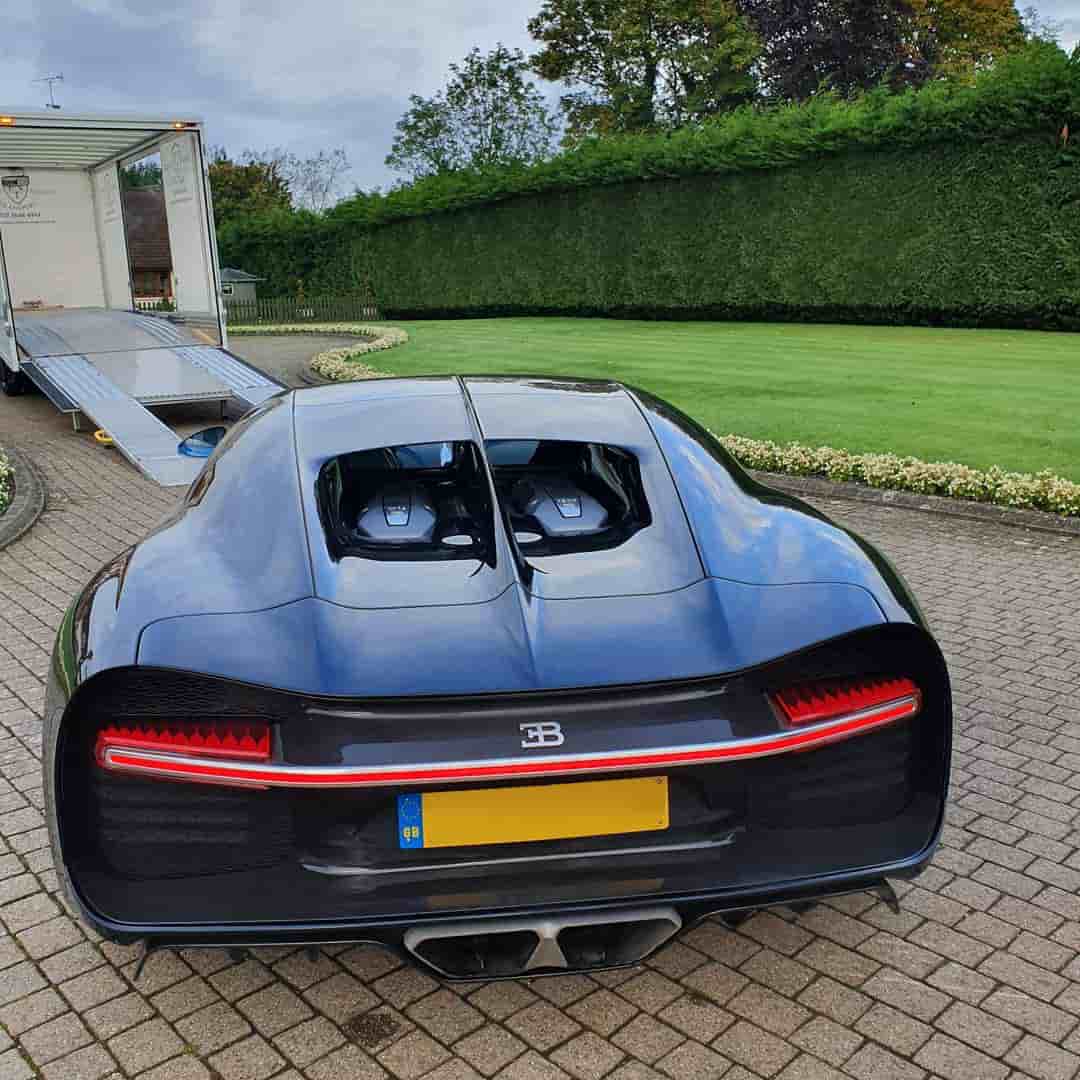
Enclosed Transport for Cars: Protection for Valuable Vehicles
Enclosed Transport for Cars: A Safer Way to Move Your Vehicle
When a car needs to be moved from one place to another, the method of transport matters. Enclosed car transport carries a vehicle inside a covered trailer, protecting it from weather and much of the road debris it might encounter during a journey. It can be a useful option for classic, prestige, performance and high-value cars, as well as vehicles that need extra care.
What is enclosed car transport?
With enclosed transport, a car is loaded into a purpose-built trailer and secured for the journey. The trailer’s sides and roof help shield the vehicle from rain, wind, dust and grit. Depending on the transporter, the trailer may carry one car or several vehicles.
Enclosed transport differs from open transport, where cars are carried on an uncovered transporter. Open transport is a common choice for everyday vehicles, while enclosed transport offers additional protection and privacy.
Why choose enclosed transport?
- Protection from the elements: A covered trailer helps keep rain, snow, road spray and direct sunlight off the vehicle during transit.
- Reduced exposure to road debris: The enclosed space helps protect the car from loose stones, dirt and other debris kicked up on the road.
- Extra care for valuable vehicles: Owners of classic, rare, prestige or competition cars may prefer the added protection of an enclosed trailer.
- Greater privacy: The vehicle is less visible while being transported, which can be important for some owners.
- Reassurance for long-distance journeys: Enclosed transport can offer peace of mind when a car is travelling a considerable distance or has particular care requirements.
Which cars are suited to enclosed transport?
Enclosed transport may be worth considering for vehicles that are especially valuable, delicate or difficult to replace. This can include classic and collector cars, luxury vehicles, sports cars, motorsport vehicles and freshly restored cars. It may also suit cars with low ground clearance or sensitive paintwork, subject to the transporter’s equipment and loading method.
It is not only the car’s financial value that matters. If a vehicle has sentimental importance or needs to arrive in a particular condition, the additional protection may be worthwhile.
Enclosed transport compared with open transport
Both methods can move cars safely when handled by a professional transporter. The main difference is the level of exposure during the journey.
| Feature | Enclosed transport | Open transport |
|---|---|---|
| Weather protection | Covered during transit | Exposed to weather |
| Road-debris protection | Greater protection from debris | More exposed to road conditions |
| Typical use | Classic, prestige, rare or specialist cars | Many everyday vehicles |
| Price | Generally higher | Generally lower |
Availability and the exact level of protection can vary between transporters. Ask what type of trailer will be used and how the vehicle will be secured.
How to prepare your car for enclosed transport
A little preparation can help make collection and delivery straightforward:
- Remove personal belongings and loose items from the car.
- Check the fuel level and follow the transporter’s instructions.
- Make sure the battery, tyres and brakes are suitable for loading, unless the car is being transported as non-running.
- Tell the transporter about modifications, low ground clearance, alarm systems or any mechanical issues.
- Take photographs of the vehicle before collection, including any existing marks or damage.
- Agree how keys will be handed over and ensure any necessary documents are available.
If the car is non-running or has unusual dimensions, explain this when requesting a quote. The transporter can then confirm whether the vehicle can be accommodated and what equipment may be required.
What to check when choosing a transporter
Before booking, ask the provider about their experience, vehicle handling process, insurance and collection arrangements. It is sensible to confirm what the insurance covers, whether there are any limits or exclusions, and how the vehicle’s condition will be recorded at collection and delivery.
Also check the estimated schedule, whether the service is door-to-door or uses agreed collection points, and what happens if access is restricted. A clear written quote should explain what is included and identify any additional charges.
How much does enclosed car transport cost?
Enclosed transport usually costs more than open transport because covered trailers have limited space and can involve higher operating costs. The final price may depend on the distance, vehicle size and weight, collection and delivery locations, timing, and whether the car can be driven onto the trailer.
For an accurate estimate, provide the transporter with the vehicle’s make and model, its condition, the collection and delivery postcodes, and any special requirements. Comparing quotes is useful, but price should be considered alongside the service details, insurance and experience offered.
Is enclosed transport right for your car?
Enclosed transport is a practical choice when additional protection, privacy or careful handling is a priority. It may not be necessary for every vehicle, but it can be reassuring for cars that are valuable, rare, freshly restored or particularly sensitive to the elements.
Discuss your vehicle and journey with a professional transporter to find out whether an enclosed service is suitable. Clear information about the car, the route and your expectations will help ensure the transport arrangements are right for both you and your vehicle.
Essential Tips for Secure Enclosed Car Transport: A 7-Step Guide
- Check the transporter’s insurance covers your car’s full value.
- Get a written quote, including collection and delivery fees.
- Photograph your car before handover and note any existing damage.
- Remove personal belongings and loose accessories.
- Leave only a small amount of fuel in the tank.
- Disable alarms and provide clear instructions for specialist features.
- Confirm collection times, delivery arrangements and access requirements.
Check the transporter’s insurance covers your car’s full value.
Before booking enclosed car transport, check that the transporter’s insurance covers your vehicle for its full current value while it is being loaded, transported and unloaded. Ask for the cover limit and details of any excess, exclusions or conditions, and confirm whether high-value, classic or modified cars need to be declared separately. If the policy limit is lower than your car’s value, discuss additional cover before the journey.
Get a written quote, including collection and delivery fees.
Before booking enclosed car transport, ask for a written quote that clearly sets out the full cost, including collection and delivery fees. Check whether the price covers any additional requirements, such as difficult access, waiting time or a non-running vehicle, and ask about potential extra charges. Having the agreed costs in writing helps you compare providers fairly and avoid unexpected fees later.
Photograph your car before handover and note any existing damage.
Before handing over your car for enclosed transport, take clear photographs of it from all sides, including close-ups of any existing scratches, dents or other marks. Note these carefully and share them with the transporter, so the vehicle’s condition is recorded before the journey. This gives both parties a useful reference when the car is delivered and helps resolve any questions about its condition.
Remove personal belongings and loose accessories.
Before your car is collected for enclosed transport, remove personal belongings and any loose accessories from the cabin, boot and door pockets. Items left inside may shift during the journey, causing damage to the vehicle or its contents, and may not be covered by the transporter’s insurance. Check for smaller items such as chargers, sunglasses and documents, and ask the transport company whether any fitted accessories need to be removed or secured.
Leave only a small amount of fuel in the tank.
Before collection, leave only a small amount of fuel in the tank—enough for the car to be moved on and off the transporter if required. A lower fuel level reduces the vehicle’s weight and can make handling safer. Always check the transport company’s guidance, as its requirements may vary.
Disable alarms and provide clear instructions for specialist features.
Before collection, disable your car’s alarm to prevent it from sounding during loading or transit, and let the transporter know how to operate any specialist features. Explain anything they may need to know about features such as immobilisers, air suspension, electric door handles or unusual starting procedures. Clear instructions can help avoid delays and ensure your vehicle is handled safely.
Confirm collection times, delivery arrangements and access requirements.
Before booking enclosed car transport, confirm the expected collection and delivery times with your transporter, and check how you will be updated if the schedule changes. Discuss where the vehicle will be collected and delivered, including any access restrictions such as narrow roads, low bridges, height limits or limited space for the transport vehicle to manoeuvre. Agreeing these details in advance helps avoid delays and ensures suitable arrangements can be made.