
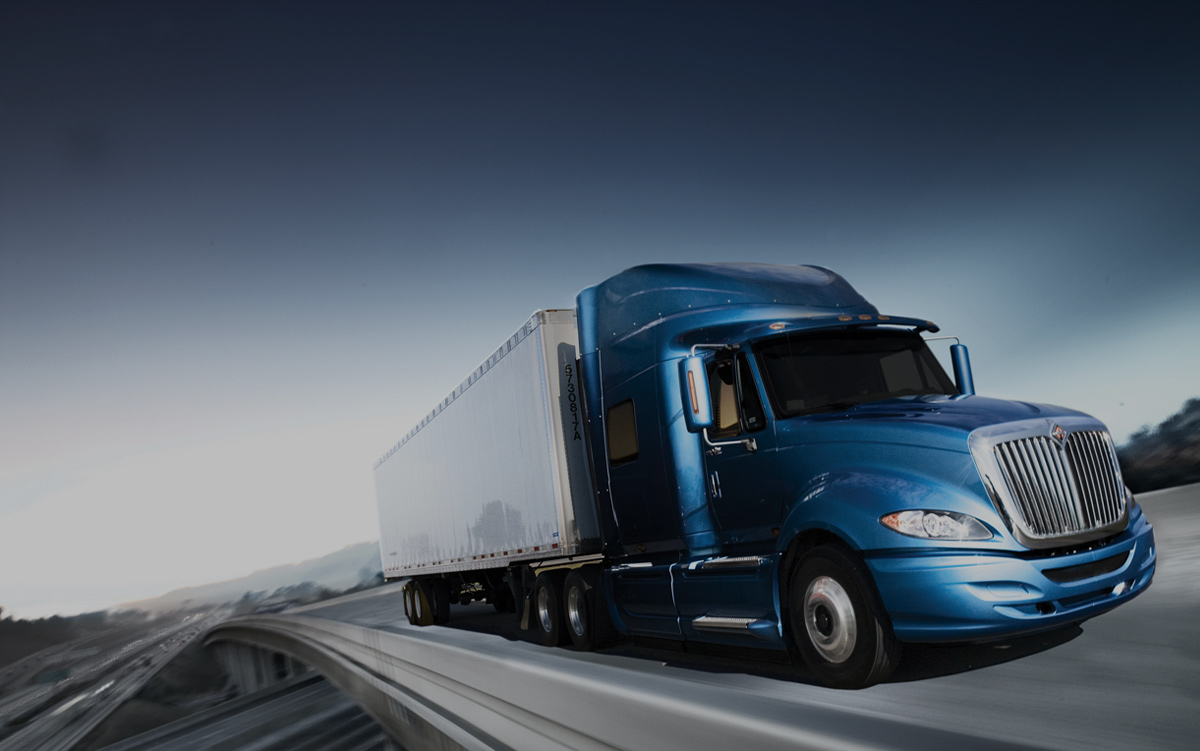
Enclosed Auto Transporters: A Guide to Safe and Protected Vehicle Transport
Enclosed Auto Transporters: A Guide to Protected Vehicle Transport
When a vehicle needs extra protection in transit, an enclosed auto transporter can be a practical alternative to an open car transporter. The vehicle is carried inside a covered trailer, away from direct exposure to weather, road spray and much of the dust and debris encountered on the journey.
Enclosed transport is often chosen for classic, prestige, performance and high-value vehicles. It can also suit cars that are being restored, have delicate finishes or simply need additional care during a move. This guide explains how enclosed auto transporters work, what to consider when booking and how to prepare your vehicle.
What is an enclosed auto transporter?
An enclosed auto transporter is a vehicle-carrying trailer with solid sides and a roof. Unlike an open transporter, which carries vehicles on an exposed platform, an enclosed transporter keeps the vehicle within a covered space during transit.
Transporters vary in size and design. Some carry one vehicle, while larger trailers may carry several. Loading may be via a rear ramp, a hydraulic lift or another specialist system, depending on the transporter and the vehicle being moved.
Why choose enclosed transport?
Protection from the elements
A covered trailer helps shield a vehicle from rain, wind, road spray and direct sunlight during the journey. This can be especially reassuring for cars with sensitive paintwork, soft tops or finishes that require careful handling.
Reduced exposure to road debris
Although no method of transport can remove every risk, enclosing the vehicle reduces its exposure to stones, dirt and other debris thrown up by traffic. This is one reason owners of valuable or carefully maintained cars may prefer an enclosed service.
Greater discretion
An enclosed transporter can offer more privacy than an open trailer, as the vehicle is not fully visible while in transit. This may appeal to owners who would rather keep a valuable, rare or newly acquired car out of sight.
Suitable for specialist vehicles
Some vehicles have low ground clearance, unusual dimensions or particular handling requirements. A specialist transporter may be better equipped to accommodate them. It is important to provide accurate vehicle details before booking so the carrier can confirm whether it can safely load and transport the car.
Who might benefit from enclosed transport?
Enclosed auto transport may be worth considering for:
- Classic and vintage cars
- Prestige, luxury and performance vehicles
- Motorsport cars and specialist builds
- Vehicles with delicate or freshly finished paintwork
- Cars being moved to or from an exhibition, auction or event
- Vehicles that are not roadworthy or need specialist loading
For everyday vehicles, open transport may be a suitable and more economical option. The right choice depends on the vehicle, the journey, the level of protection required and the service available.
Enclosed versus open transport
The main difference is the level of exposure during transit. Open transporters carry vehicles in the open air, while enclosed transporters provide a covered environment. Enclosed transport is commonly more expensive because specialist equipment and reduced carrying capacity can affect operating costs. Availability may also be more limited, particularly for certain routes or collection dates.
It is sensible to compare both options rather than assuming one is always better. Ask what protection is provided, how the vehicle will be secured and what insurance arrangements apply to the specific service.
What affects the cost?
The price of enclosed vehicle transport can depend on several factors, including:
- The distance and route
- The vehicle’s size, weight and condition
- Whether the vehicle is running and can be driven onto the transporter
- Collection and delivery access
- The type of loading equipment required
- The timing and flexibility of the booking
- Whether the service is dedicated or shared with other vehicles
For an accurate quote, provide the transporter with the make and model, collection and delivery postcodes, the vehicle’s condition and any relevant details such as low ground clearance, modifications or restricted access at either address.
How to prepare your vehicle
A little preparation can help the collection and delivery go smoothly:
- Confirm the vehicle’s condition. Tell the transporter if it does not start, steer or brake, or if it has any damage that could affect loading.
- Remove personal belongings. Check the boot, cabin and storage compartments, and ask the provider about its policy on items left in the car.
- Leave a suitable amount of fuel. Follow the transporter’s instructions. A small amount may be needed to move the vehicle, but a full tank is generally unnecessary.
- Secure loose parts. Remove or fasten detachable accessories that could shift during transit.
- Take photographs. Record the vehicle’s condition from several angles before collection and again at delivery.
- Check access arrangements. Make sure the transporter can reach the collection and delivery points, or agree a convenient alternative location.
Questions to ask before booking
Before choosing a provider, ask how the vehicle will be loaded and secured, whether the transporter is suitable for your car’s dimensions and ground clearance, and what insurance applies while the vehicle is in their care. Request details of any exclusions, excesses or limits, and check how collection and delivery times are agreed.
It is also helpful to establish who will be your point of contact, what happens if there is a delay and how the vehicle’s condition will be recorded at handover. Clear answers can help you compare quotes on more than price alone.
Choosing the right transport service
Enclosed auto transporters provide an added layer of protection and can be particularly useful for vehicles that are valuable, delicate or difficult to move. The best service will depend on your vehicle and circumstances, so share accurate information, check the provider’s arrangements and make sure the agreed service meets your needs.
With the right preparation and a suitable transporter, moving a vehicle by road can be a straightforward process from collection to delivery.
Enclosed Car Transport: Five Frequently Asked Questions
- What is an enclosed auto transporter?
- How much does enclosed car transport cost in the UK?
- Is enclosed transport safer than open car transport?
- Which types of vehicles are best suited to enclosed transport?
- How should I prepare my car for enclosed transport?
What is an enclosed auto transporter?
An enclosed auto transporter is a covered vehicle carrier that moves cars inside a trailer with a roof and solid sides, protecting them from weather, road spray and much of the dirt and debris encountered in transit. It is often chosen for classic, prestige, performance or otherwise valuable vehicles that need extra care compared with transport on an open carrier.
How much does enclosed car transport cost in the UK?
The cost of enclosed car transport in the UK depends on factors such as the distance, vehicle size and condition, collection and delivery access, and whether specialist loading equipment is needed. Enclosed transport typically costs more than open transport because it uses specialist, covered vehicles and may carry fewer cars at a time. For an accurate quote, provide the transporter with your vehicle details, collection and delivery postcodes, and preferred dates, then check what insurance and services are included.
Is enclosed transport safer than open car transport?
Enclosed transport offers greater protection from weather, road spray and debris because the vehicle travels inside a covered trailer. This can make it a suitable choice for classic, prestige or delicate vehicles. However, both enclosed and open transport can be safe when handled by a reputable provider using suitable equipment and secure loading procedures. The best option depends on your vehicle, the level of protection you want and the transport provider’s insurance and handling arrangements.
Which types of vehicles are best suited to enclosed transport?
Enclosed transport is particularly well suited to classic, vintage, prestige and performance cars, as well as vehicles with delicate paintwork, custom finishes or low ground clearance. It can also be a good choice for motorsport cars, rare models and vehicles being moved to an auction or exhibition, where extra protection from weather and road debris is desirable. If your vehicle is modified, non-running or unusually sized, share its details with the transporter in advance so they can confirm whether their equipment is suitable.
How should I prepare my car for enclosed transport?
Before enclosed transport, remove personal belongings and loose accessories, and make sure the transporter knows about any modifications, low ground clearance or mechanical issues. Leave the fuel level as advised by the transport provider, and check that the car is clean enough to inspect for existing marks. Take dated photographs of its condition before collection, secure any detachable parts and make sure the keys are ready. Finally, confirm collection access and follow the transporter’s specific instructions, particularly if the vehicle is not running.