
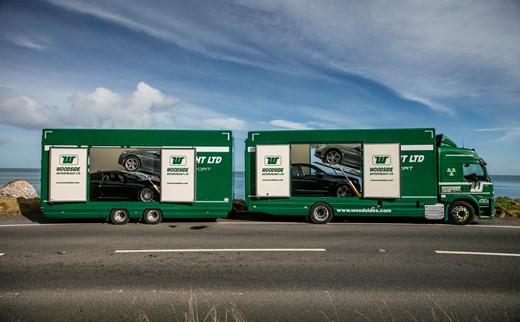
Enclosed Car Delivery Service: Secure Transport for Your Vehicle
Enclosed Car Delivery Service: A Secure Way to Transport Your Vehicle
When a vehicle needs extra protection in transit, an enclosed car delivery service can offer added peace of mind. Instead of travelling on an open transporter, the car is carried inside a covered vehicle, shielded from weather and much of the dust, road debris and public view encountered during a journey.
Enclosed transport is often chosen for classic, prestige, performance and rare vehicles, as well as cars that are being restored or have a high sentimental value. It can also suit owners who simply want an extra level of protection when arranging a long-distance delivery.
What is enclosed car delivery?
Enclosed car delivery involves transporting a vehicle inside a covered transporter or trailer. The car is loaded, secured for the journey and unloaded at the agreed destination. Depending on the transporter and the vehicle, loading may be carried out using ramps, a tail lift or specialist equipment.
As availability and vehicle capacity can vary, it is worth discussing your car’s dimensions, condition and any access requirements with the transport provider before booking.
Benefits of enclosed car transport
- Protection from the elements: A covered vehicle helps protect the car from rain, wind, road spray and direct sunlight during transit.
- Reduced exposure to road debris: Enclosure can limit contact with dust, stones and other material that may be kicked up on the road.
- Greater privacy: The vehicle is less visible while being transported, which may be preferable for valuable or unusual cars.
- Careful handling: Enclosed services are commonly used for vehicles that need particular attention. Confirm the loading and securing arrangements before booking.
- Reassurance for special vehicles: For a cherished classic or a newly purchased prestige car, enclosed transport may provide added confidence throughout the journey.
Which vehicles are suited to an enclosed service?
Enclosed delivery may be worth considering for classic cars, luxury and prestige models, sports cars, high-value vehicles, show cars and vehicles undergoing restoration. It can also be suitable for cars with delicate finishes or low ground clearance, provided the transporter has the right equipment and the vehicle can be loaded safely.
Not every vehicle requires enclosed transport. For many everyday cars, an open transporter is a practical option. The right choice depends on the vehicle, the route, your budget and the level of protection you would like.
Enclosed and open car transport compared
The main difference is how the vehicle is carried. Open transporters carry cars in the open air, while enclosed transporters carry them inside a covered unit. Enclosed delivery offers greater protection from weather and visibility, but it may cost more and have less availability than open transport.
If you are comparing quotes, check that each provider understands the same requirements, including collection and delivery locations, vehicle condition, access restrictions and preferred dates.
How the delivery process works
- Request a quote: Share the make and model of the car, its condition, collection and delivery postcodes, and your preferred dates.
- Discuss the arrangements: Tell the provider about low ground clearance, non-running condition, modified parts or restricted access at either location.
- Agree the booking: Confirm the price, collection window, delivery expectations and any relevant terms before proceeding.
- Prepare the vehicle: Remove personal belongings, secure loose items and make sure the transporter has accurate information about the car.
- Check the vehicle at handover: Note its condition at collection and inspect it again on delivery. Raise any concerns promptly with the provider.
What can affect the cost?
The price of enclosed car delivery can depend on the distance, route, vehicle size and weight, collection and delivery access, timing and whether the car is running. Enclosed transport may also be priced differently from open transport because the vehicles and available capacity differ.
For an accurate quote, provide clear details from the outset. If the car is unusually wide, low or heavy, or cannot be driven, mention this when making an enquiry.
Preparing your car for collection
Before collection, remove personal possessions and any loose accessories, and ensure the car is accessible for inspection and loading. The vehicle does not usually need to be full of fuel; ask the transport provider what level is required, particularly if the car needs to be driven during loading or unloading.
Take note of the vehicle’s condition and, if helpful, photograph it before collection. Tell the provider about any existing damage, mechanical issues or special handling instructions. If the vehicle is not roadworthy, confirm in advance that the transporter can accommodate it.
Questions to ask before booking
- Is the vehicle carried fully enclosed for the whole journey?
- What loading equipment will be used?
- Can the transporter accommodate the car’s dimensions and ground clearance?
- What are the collection and delivery arrangements?
- What cover applies during transport, and are there any exclusions or limits?
- How will updates be provided during the booking?
Choosing the right enclosed car delivery service
Look for a transport provider that communicates clearly, asks the right questions about your vehicle and explains the service and its terms before you book. Check what is included in the quote, how collection and delivery are coordinated, and what arrangements apply if timings or access change.
An enclosed car delivery service can be a sensible choice when protection, privacy or careful handling is a priority. By sharing accurate details and confirming the arrangements in advance, you can help ensure the transport is suited to both your vehicle and your journey.
Top 7 Advantages of Enclosed Car Delivery for Protecting Your Valuable Vehicle
- Protects cars from rain and road spray.
- Reduces exposure to dust and debris.
- Offers added privacy during transit.
- Ideal for classic and prestige cars.
- Helps protect delicate paintwork.
- Provides extra peace of mind.
- Suitable for valuable or cherished vehicles.
7 Drawbacks of Enclosed Car Delivery Services
- Usually costs more than open transport.
- May have limited availability.
- Can require longer booking lead times.
- Collection and delivery times may be less flexible.
- Large vehicles may not fit the transporter.
- Restricted access can complicate loading.
- Enclosed transport does not eliminate all risk of damage.
Protects cars from rain and road spray.
Enclosed car delivery helps protect your vehicle from rain, road spray and damp conditions during transit. By keeping the car inside a covered transporter, it can arrive cleaner and with less exposure to moisture and grime—particularly useful on long journeys or in unpredictable British weather.
Reduces exposure to dust and debris.
An enclosed car delivery service helps reduce your vehicle’s exposure to dust, grit and road debris during transit. As the car is transported inside a covered unit, it is less likely to be affected by material kicked up from the road or carried by the wind. This can be especially reassuring for vehicles with delicate paintwork or a recently detailed finish.
Offers added privacy during transit.
An enclosed car delivery service offers added privacy by keeping your vehicle out of public view while it is in transit. This can be especially reassuring when transporting a high-value, rare or distinctive car, as fewer people can see what is being carried. It also means the vehicle is less exposed to attention at stops along the route.
Ideal for classic and prestige cars.
Enclosed car delivery is ideal for classic and prestige cars that deserve extra care in transit. Travelling inside a covered transporter helps shield a vehicle from rain, road spray, dust and debris, while keeping it out of public view. This added protection can offer reassurance to owners of valuable, rare or cherished cars, particularly when they are being moved over long distances.
Helps protect delicate paintwork.
Enclosed car delivery helps protect delicate paintwork by shielding your vehicle from rain, road spray, dust and debris during transit. This added protection can be especially valuable for classic, prestige or freshly restored cars, helping them arrive in the same carefully maintained condition in which they were collected.
Provides extra peace of mind.
An enclosed car delivery service can provide extra peace of mind by keeping your vehicle inside a covered transporter throughout the journey. This helps protect it from weather and road debris, while keeping it out of public view. Knowing your car is being transported in a more sheltered environment can make the process feel more reassuring, particularly if it is valuable, rare or especially cherished.
Suitable for valuable or cherished vehicles.
Enclosed car delivery is a popular choice for valuable or cherished vehicles, including classic, prestige and performance cars. Transporting a vehicle inside a covered transporter helps shield it from the weather, road debris and public view during the journey. For owners who want extra reassurance when moving a car with financial or sentimental value, enclosed delivery offers a more protected way to get it to its destination.
Usually costs more than open transport.
One drawback of enclosed car delivery is that it usually costs more than open transport. The covered transporter offers additional protection from the weather and road debris, but may have higher operating costs and less available space. If you’re transporting an everyday vehicle and extra protection isn’t essential, open transport may be a more budget-friendly option.
May have limited availability.
One potential drawback of enclosed car delivery is limited availability. Enclosed transporters are less common than open carriers and may have fewer spaces, so finding a suitable vehicle on your preferred date or route can be difficult, particularly during busy periods. Booking well in advance and being flexible with collection dates can improve your chances of securing a slot.
Can require longer booking lead times.
Enclosed car delivery can require longer booking lead times than open transport because enclosed vehicles are less widely available and may have limited space. This can make it harder to secure a collection date at short notice, particularly during busy periods or for routes with fewer transport options. Booking early gives you a better chance of finding a service that suits your schedule.
Collection and delivery times may be less flexible.
Collection and delivery times for an enclosed car delivery service may be less flexible than for standard transport. Enclosed vehicles often have limited capacity and follow carefully planned routes, so arranging a specific date or time can be more challenging. You may need to book further in advance or allow a wider collection and delivery window, particularly during busy periods or for journeys to less frequently served locations.
Large vehicles may not fit the transporter.
One potential drawback of enclosed car delivery is that larger vehicles may not fit inside the transporter. Vans, oversized 4x4s and modified cars can exceed its height, width or weight limits, so it’s important to check the transporter’s capacity before booking. If your vehicle cannot be accommodated, you may need to consider an alternative transport option.
Restricted access can complicate loading.
Restricted access can make loading an enclosed car delivery service more complicated. Narrow roads, low bridges, tight driveways or limited turning space may prevent a large transporter from reaching the collection or delivery point. In these cases, the vehicle may need to be transferred at a more accessible nearby location, which can add planning, time or cost. Let the transport provider know about any access restrictions in advance so they can assess the route and agree suitable arrangements.
Enclosed transport does not eliminate all risk of damage.
Although enclosed transport helps protect a vehicle from weather and road debris, it cannot eliminate every risk of damage. A car may still be affected during loading, unloading or transit, for example if it shifts or is handled incorrectly. Before booking, check what cover the transport provider offers, ask about any exclusions or limits, and record the vehicle’s condition at collection and delivery.