
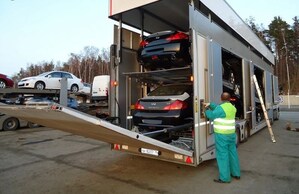
Enclosed Carrier Car Shipping: A Guide to Safe, Protected Vehicle Transport
Enclosed Carrier Car Shipping: A Guide to Protected Vehicle Transport
When a vehicle needs to be moved from one location to another, an enclosed carrier offers an added level of protection during transit. Unlike an open transporter, which carries vehicles in the open air, an enclosed car carrier keeps them inside a covered trailer. This can help shield vehicles from weather, road debris and unwanted attention.
Enclosed transport is often chosen for classic, luxury, performance and prestige cars, as well as vehicles that are particularly valuable or delicate. It can also be a practical option whenever extra care is a priority.
What is enclosed carrier car shipping?
Enclosed carrier car shipping is the transport of a vehicle inside a covered trailer or specialist transporter. The vehicle is loaded and secured within the carrier for the journey, rather than being exposed on an open vehicle transporter.
Depending on the carrier and service, vehicles may be transported individually or alongside a small number of others. The exact arrangements, collection method and delivery options can vary, so it is worth confirming these details before booking.
Why choose an enclosed carrier?
- Protection from the elements: The covered trailer helps protect the vehicle from rain, wind, dust and direct sunlight while it is in transit.
- Reduced exposure to road debris: Enclosure can limit contact with loose stones and other debris thrown up from the road.
- Greater privacy: The vehicle is less visible during transport, which may appeal to owners of high-value or rare cars.
- Careful handling: Specialist enclosed services may be suited to vehicles requiring particular attention, such as low-clearance cars or those with limited running capability. Always check what equipment and loading options are available.
An enclosed carrier does not remove every transport risk. Before arranging a move, ask the provider what protection, insurance and handling procedures apply to your vehicle and journey.
Which vehicles are suited to enclosed transport?
Enclosed transport may be worth considering for:
- Classic, vintage or collector cars
- Luxury and prestige vehicles
- Sports and performance cars
- Restored or newly finished vehicles
- Vehicles with low ground clearance
- Cars being moved to an exhibition, auction or specialist event
- Vehicles for which minimising exposure during transit is important
For everyday vehicles, an open transporter may be a suitable and more economical option. The right choice depends on the vehicle, the route, your budget and the level of protection you want.
How does the process work?
- Request a quote: Provide the collection and delivery locations, vehicle details, preferred dates and any special requirements.
- Confirm the arrangements: Check the type of carrier, collection and delivery access, estimated timings, price and applicable insurance terms.
- Prepare the vehicle: Remove personal belongings and loose items, and make sure the vehicle is accessible for inspection and loading.
- Complete a condition check: The vehicle’s condition may be recorded at collection. Take your own dated photographs as an additional record.
- Arrange delivery: At the destination, inspect the vehicle and raise any concerns with the transport provider promptly.
What can affect the cost?
Enclosed transport is generally more specialised than open transport, and the price may reflect the additional protection and equipment involved. A quote can depend on:
- The distance and route
- The vehicle’s size, weight and condition
- Whether the vehicle runs and can be driven onto the carrier
- Collection and delivery access
- The timing and flexibility of the booking
- Whether the service is dedicated or shared with other vehicles
For an accurate estimate, provide complete information about the vehicle and both locations. Narrow roads, height restrictions or limited access may affect where a carrier can safely collect or deliver.
How to prepare your car
Before collection, remove personal possessions and loose accessories, as these may not be covered by the transporter’s insurance. Leave the fuel level low but sufficient for loading and unloading, unless the provider advises otherwise. Make sure the keys are available and tell the transport team about any mechanical issues, alarms, modifications or special starting instructions.
Photograph the vehicle from several angles before it is collected, including any existing marks or damage. Keep the photographs and any condition report until the journey is complete.
Questions to ask before booking
- Will the vehicle travel inside a fully enclosed carrier?
- How will it be loaded and secured?
- Is the vehicle covered by insurance during loading, transit and unloading, and what exclusions or limits apply?
- Can you accommodate a non-running or low-clearance vehicle?
- Are the collection and delivery points suitable for the carrier?
- What is the estimated collection and delivery window?
- Are there any additional charges or preparation requirements?
Choosing the right transport option
Enclosed carrier car shipping provides an extra layer of protection for vehicles that warrant careful handling or reduced exposure during transit. It may cost more than open transport, so consider the vehicle’s value, condition and requirements when comparing options. Ask for the service details and insurance terms in writing, and choose a provider that communicates clearly from collection through to delivery.
7 Benefits of Enclosed Car Transport
- Protects cars from rain and harsh weather.
- Helps shield vehicles from road debris.
- Offers greater privacy during transport.
- Ideal for classic and prestige cars.
- Suitable for valuable or delicate vehicles.
- Can accommodate low-clearance models.
- Provides added peace of mind in transit.
6 Drawbacks of Enclosed Car Transport
- Usually costs more than open transport.
- Availability may be limited on some routes.
- Collection and delivery can take longer to arrange.
- Large carriers may have restricted access to some locations.
- Capacity is limited compared with open transporters.
- Extra protection does not eliminate all damage risks.
Protects cars from rain and harsh weather.
An enclosed carrier helps protect your car from rain and harsh weather throughout the journey. By keeping the vehicle inside a covered trailer, it reduces exposure to heavy showers, strong winds, road spray and direct sunlight, helping it arrive in the same condition it was collected.
Helps shield vehicles from road debris.
An enclosed carrier helps shield a vehicle from loose stones, grit and other road debris that can be thrown up during transit. By travelling inside a covered trailer, the car is less exposed to these hazards than it would be on an open transporter, helping to reduce the risk of chips, scratches and other surface damage along the way.
Offers greater privacy during transport.
An enclosed carrier offers greater privacy by keeping your vehicle out of public view during transport. This can be especially reassuring when moving a rare, high-value or personal vehicle, as fewer people can see what is being carried. While it cannot guarantee complete security, the covered trailer provides a more discreet alternative to open transport.
Ideal for classic and prestige cars.
Enclosed carrier car shipping is an ideal choice for classic and prestige cars that need extra care while in transit. By travelling inside a covered trailer, the vehicle is shielded from rain, road debris and public view, helping to protect its finish and preserve its condition. This added protection can provide welcome peace of mind when transporting a valuable, rare or cherished car.
Suitable for valuable or delicate vehicles.
Enclosed carrier car shipping is well suited to valuable or delicate vehicles, including classic, luxury and performance cars. Transporting a vehicle inside a covered trailer helps shield it from weather and road debris, while reducing its visibility during the journey. This added protection can offer greater peace of mind when moving a car that needs extra care.
Can accommodate low-clearance models.
Enclosed carrier car shipping can be a suitable option for low-clearance models, such as sports cars and modified vehicles. Depending on the transporter, specialist loading equipment or a suitable ramp may help reduce the risk of scraping the underside during loading and unloading. Check with the provider that their carrier can accommodate your vehicle’s ground clearance and any modifications before booking.
Provides added peace of mind in transit.
Enclosed carrier car shipping provides added peace of mind while your vehicle is in transit. As it travels inside a covered trailer, it is less exposed to weather, road debris and public view than it would be on an open transporter. This extra protection can be especially reassuring when moving a classic, luxury or otherwise valuable car, helping you feel more confident from collection to delivery.
Usually costs more than open transport.
One drawback of enclosed carrier car shipping is that it usually costs more than open transport. Enclosed carriers have limited space and provide additional protection from weather and road debris, which can make the service more expensive. For everyday vehicles, the extra cost may not be worthwhile, so it’s sensible to compare quotes and consider how much protection your car needs.
Availability may be limited on some routes.
One potential drawback of enclosed carrier car shipping is limited availability on some routes. Enclosed transporters are less common than open carriers, and services may not run frequently between certain locations. This can mean fewer collection dates to choose from or a longer wait before your vehicle can be moved, particularly if you need transport at short notice. Booking in advance and checking route availability early can help you plan around this.
Collection and delivery can take longer to arrange.
One potential drawback of enclosed carrier car shipping is that collection and delivery can take longer to arrange. Enclosed transporters are less widely available than standard open carriers, and providers may need to coordinate specialist vehicles, suitable access and compatible schedules. This can mean fewer collection slots or a longer wait for a suitable service, particularly for remote locations or during busy periods. Booking in advance and staying flexible with dates can help make arrangements easier.
Large carriers may have restricted access to some locations.
Large enclosed carriers can be difficult to manoeuvre in narrow streets, tight driveways or areas with low bridges and other access restrictions. As a result, the driver may not be able to collect or deliver the vehicle at the exact address, and you may need to arrange a nearby meeting point that is suitable for the carrier. Checking access at both locations with the transport provider before booking can help avoid delays or unexpected arrangements.
Capacity is limited compared with open transporters.
One drawback of enclosed carrier car shipping is its limited capacity compared with open transporters. Enclosed trailers typically carry fewer vehicles, so availability may be lower, particularly during busy periods or on less common routes. This can mean less flexibility with collection dates and, in some cases, a longer wait before transport can be arranged.
Extra protection does not eliminate all damage risks.
Although an enclosed carrier helps protect a vehicle from weather and road debris, it cannot eliminate every risk of damage. Minor marks or other issues can still occur during loading, unloading or transit, so it is sensible to check the carrier’s insurance terms, document the vehicle’s condition with photographs before collection, and inspect it carefully on delivery.