
Auto Relocation: A Practical Guide to Moving Your Vehicle Safely and Efficiently
Auto Relocation: A Practical Guide to Moving Your Vehicle
Auto relocation is the process of moving a car from one location to another, usually using a professional vehicle transport service. It can be a convenient option when you are moving house, buying or selling a vehicle, sending a car to a family member, or arranging transport for a vehicle that is not suitable for a long journey.
Whether you are moving a car across the UK or arranging an international shipment, planning ahead can help make the process smoother. Understanding the available transport options, preparing your vehicle and checking the details of your booking can all help you choose a service that suits your needs.
How does auto relocation work?
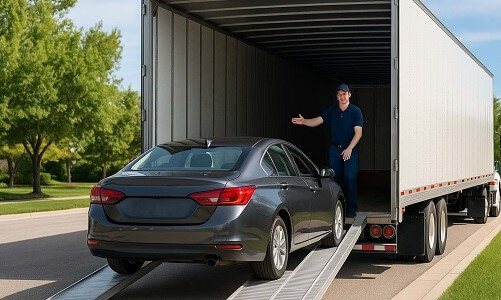
A vehicle transport company collects your car from an agreed location and delivers it to a specified destination. Depending on the provider and the journey, the vehicle may travel on a transporter alongside other cars or be moved using a dedicated service.
Collection and delivery arrangements vary. Some services offer door-to-door transport where access allows, while others use convenient collection and drop-off points. Before booking, confirm what is included and whether your locations can accommodate the transport vehicle.
Choosing the right transport option
The best option depends on your vehicle, route, timing and budget. When comparing services, consider:
- Open or enclosed transport: Open transport is a common way to move vehicles. Enclosed transport provides additional protection from road conditions and weather, and may be suitable for classic, prestige or high-value cars.
- Collection and delivery: Check whether the service is door-to-door or uses set collection locations.
- Timing: Ask for an estimated collection and delivery window, and find out how changes or delays are handled.
- Vehicle suitability: Tell the provider if the car is not roadworthy, has low ground clearance, or has any other special requirements.
- Insurance and terms: Ask what cover applies during transport, what exclusions or limits may apply, and what steps to take if you notice damage.
Preparing your car for transport
A little preparation can help protect your vehicle and make collection easier. Before it is picked up:
- Remove personal belongings and loose items from the car.
- Take out valuables and any documents you do not need to leave with the vehicle.
- Check the fuel level and follow the transport provider’s instructions.
- Make sure the car is accessible and disclose any mechanical issues.
- Photograph the vehicle from several angles, noting any existing marks or damage.
- Have the keys and any agreed paperwork ready for handover.
If the vehicle is being shipped overseas, there may be additional customs, tax, registration or documentation requirements. These can vary by destination, so check the relevant rules well in advance.
What affects the cost of auto relocation?
The price of moving a car can depend on the distance, route, vehicle size and condition, transport method, collection and delivery arrangements, and the time of year. A specialist service or a less accessible location may also affect the quotation.
When comparing prices, check that you are comparing similar services. A clear quotation should explain what is included, any additional charges that could apply and the provider’s cancellation or rescheduling terms.
What to check at collection and delivery
At collection, walk around the vehicle with the driver if possible and make sure its condition is recorded. Keep a copy of any handover documents. At delivery, inspect the car before signing the paperwork and compare its condition with the original record and photographs. If you spot an issue, report it promptly and follow the provider’s claims procedure.
Making your move easier
Auto relocation can save time and avoid adding mileage to your vehicle. The key is to choose a suitable transport option, provide accurate information about the car and confirm the arrangements before collection. With good preparation and clear communication, moving a vehicle can be a straightforward part of a house move, purchase or longer-distance journey.
9 Essential Tips for a Smooth Car Relocation
- Book your vehicle transport early.
- Compare quotes and check what they include.
- Choose a reputable, insured transporter.
- Remove personal belongings from the car.
- Check fuel and battery requirements beforehand.
- Photograph the car before collection.
- Keep keys and documents ready.
- Confirm pickup and delivery arrangements.
- Inspect the car on arrival and report any damage.
Book your vehicle transport early.
Book your vehicle transport early, especially if you need it moved on a specific date or during a busy period. Giving the transport company plenty of notice can make it easier to arrange a collection and delivery window that suits you, compare available services and avoid last-minute stress. Share your dates, locations and any special requirements when requesting a quote, and confirm the arrangements before your move.
Compare quotes and check what they include.
When arranging auto relocation, compare quotes from several providers, but look beyond the headline price. Check what each quote includes, such as collection and delivery, transport type, insurance cover and any additional fees for non-running vehicles or difficult access. Make sure the quoted service suits your needs, and ask for clarification on anything that is unclear before booking.
Choose a reputable, insured transporter.
Choose a reputable, insured transporter to help ensure your vehicle is handled professionally throughout its journey. Before booking, check independent reviews, confirm the company’s experience and ask for written details of its insurance cover, including any limits or exclusions. A reliable provider should explain the collection and delivery process clearly, answer your questions and give you the terms of service in writing.
Remove personal belongings from the car.
Before your car is collected, remove all personal belongings, including valuables, loose items and anything stored in the boot or glove compartment. Items left inside may move around and cause damage during transit, and they may not be covered by the transport provider’s insurance. An empty car also makes it easier to inspect its condition at collection and delivery.
Check fuel and battery requirements beforehand.
Before your vehicle is collected, check the transport provider’s requirements for fuel and battery charge. Some operators ask for only a small amount of fuel, while electric and hybrid vehicles may need a specified battery level for loading and unloading. Following these instructions helps avoid delays and ensures the vehicle can be moved safely.
Photograph the car before collection.
Photograph your car before collection to create a clear record of its condition before it is transported. Take well-lit pictures from all sides, including close-ups of any existing scratches, dents or other marks, and keep the images until the vehicle has been delivered and checked. This can make it easier to compare the car’s condition at each end of the journey and provide useful evidence if you need to raise a concern with the transport provider.
Keep keys and documents ready.
Keep your vehicle’s keys and any agreed documents ready for handover when the transporter arrives. This can help avoid delays and make collection more straightforward. Check with the transport provider in advance to confirm which paperwork is needed, and keep important personal documents and valuables with you rather than leaving them in the car.
Confirm pickup and delivery arrangements.
Confirming pickup and delivery arrangements in advance helps your auto relocation run smoothly. Agree the collection and drop-off locations, dates and expected time windows with the transport provider, and check that both locations are accessible for the vehicle transporter. Make sure someone will be available to hand over or receive the car, and ask how you will be updated if timings change.
Inspect the car on arrival and report any damage.
When your car arrives, inspect it carefully before signing the delivery paperwork. Compare its condition with the photographs and notes taken at collection, checking the bodywork, wheels, glass and interior for any new damage. If you spot an issue, record it on the delivery documents, take clear photographs and report it to the transport provider straight away, following their claims process.